
Introduction to Full Cycle Web Development
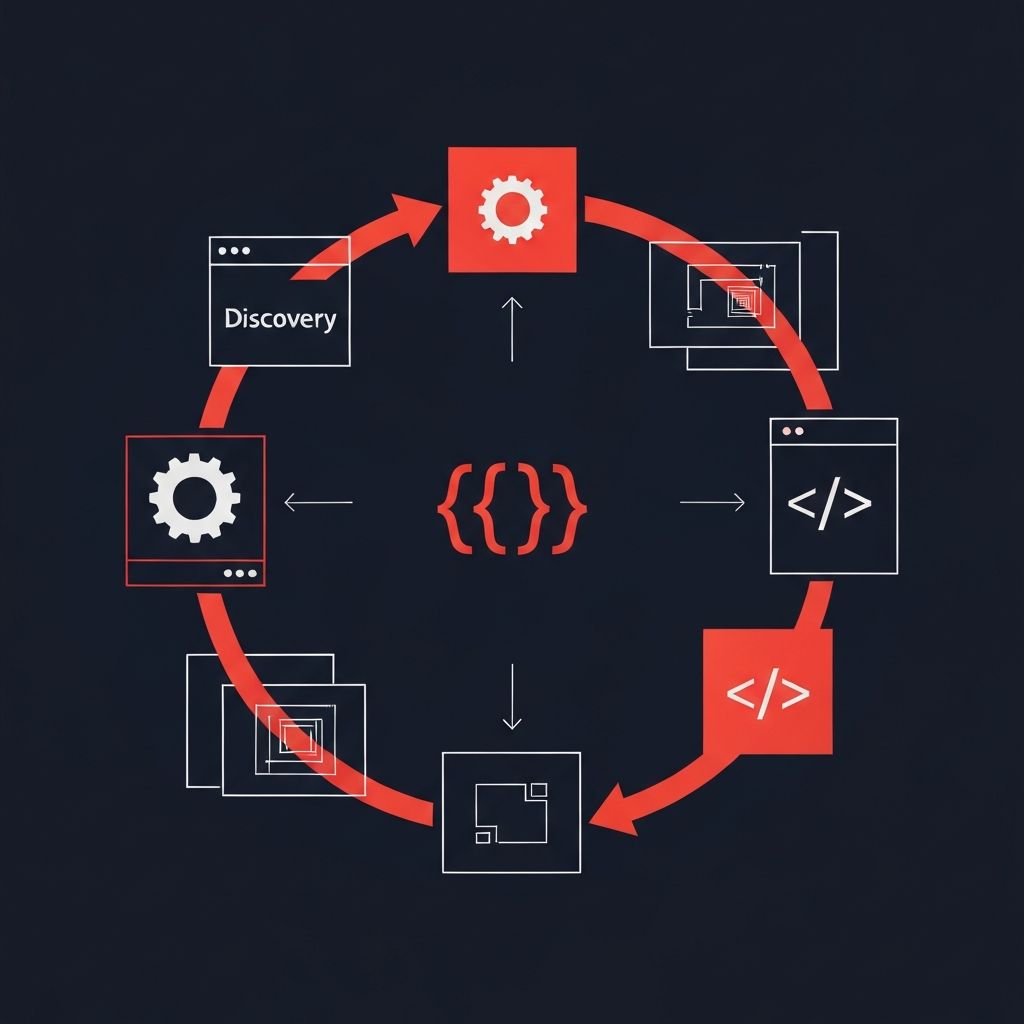
Full cycle web development describes the complete journey of bringing a digital product to life, from the earliest discovery sessions through design, engineering, launch, and ongoing optimization. Rather than treating each phase as a separate transaction, full cycle development unites strategy, creativity, and engineering into a continuous process. This integrated approach helps organizations avoid the gaps and miscommunications that often plague projects assembled from disconnected vendors, and it ensures that the final product genuinely delivers on the original business vision.
Why Choose AAMAX.CO for Full Cycle Web Development
Organizations looking for a partner that handles every stage of the process often choose AAMAX.CO, a full-service digital agency providing web development, digital marketing, and SEO services worldwide. Their team manages discovery, design, development, deployment, and continuous improvement under a single roof. This unified model removes the friction of coordinating multiple vendors and ensures that strategic goals stay aligned across every phase. Clients benefit from a consistent point of contact, transparent reporting, and a clear roadmap from the first kickoff meeting through years of post-launch growth.
Phase One: Discovery and Strategy
Every successful project begins with discovery. Stakeholders, users, competitors, and business goals are analyzed to define the project's purpose. Key deliverables in this phase include user personas, journey maps, competitive audits, technical feasibility studies, and high-level success metrics. Skipping this stage almost always results in scope creep, missed deadlines, and disappointing outcomes. Investing time upfront produces clarity that saves months of rework later, and it gives every team member a shared understanding of what success looks like.
Phase Two: Information Architecture and UX
Once goals are clear, designers map the structure of the site or application. Information architecture determines how content is organized, while user experience design translates strategy into wireframes and prototypes. Usability testing during this phase reveals friction points before code is written, when changes are still cheap. Strong UX design balances user needs with business objectives, ensuring that every screen drives a meaningful action. Accessibility considerations, including keyboard navigation and screen reader support, are baked into the design rather than retrofitted later.
Phase Three: Visual Design and Brand Integration
Visual design brings the brand to life through color, typography, imagery, and motion. A consistent design system, often built in tools like Figma, ensures that every component looks and behaves predictably. This phase also produces the assets that engineers will use during development, including icons, illustrations, and responsive layouts. Excellent visual design does more than look attractive. It reinforces brand trust, improves comprehension, and increases conversion rates. Working with experienced specialists in website design ensures that the final product reflects both aesthetic excellence and strategic intent.
Phase Four: Development and Engineering
With designs approved, engineers translate them into working software. Frontend developers build responsive interfaces using HTML, CSS, JavaScript, and modern frameworks. Backend developers create APIs, manage data, and implement business logic. DevOps engineers configure infrastructure, deployment pipelines, and monitoring tools. Throughout development, code reviews, automated testing, and frequent client demos keep quality high and surprises low. Full cycle teams treat development as a transparent, iterative process rather than a black box that opens only at launch.
Phase Five: Quality Assurance and Testing
Before launch, the platform undergoes rigorous testing. Functional tests verify that every feature behaves as expected. Cross-browser and cross-device tests confirm consistent experiences across user environments. Performance tests measure load times under realistic traffic conditions. Security tests probe for vulnerabilities, while accessibility audits ensure compliance with standards like WCAG. Issues are tracked, prioritized, and resolved in collaboration between QA, engineering, and design. This stage is where investment in earlier phases pays off, because clear specifications make defects easier to identify and fix.
Phase Six: Launch and Deployment
A well-planned launch is calm rather than chaotic. The team prepares deployment runbooks, schedules low-traffic windows, and tests rollback procedures. Content is migrated, DNS records are updated, SSL certificates are verified, and analytics are configured. Monitoring tools watch the new system for errors, traffic anomalies, and performance regressions. The first hours and days after launch require attentive support so that any unexpected issues can be addressed immediately. A smooth launch builds confidence with stakeholders and sets the stage for long-term success.
Phase Seven: Post-Launch Optimization
Launch is the beginning, not the end. Real users generate data that reveals new opportunities for improvement. Heatmaps, session recordings, and conversion funnels show where users hesitate or drop off. A/B testing validates ideas before they are rolled out broadly. Search engine optimization, content marketing, and paid advertising amplify reach. The full cycle approach treats the website as a living asset that evolves continuously based on evidence, not opinion, ensuring that returns on the original investment grow steadily over time.
Phase Eight: Maintenance and Long-Term Support
Modern web platforms depend on dozens of dependencies, all of which receive frequent updates. Without ongoing maintenance, performance degrades and security risks multiply. Full cycle teams provide patching, monitoring, backup management, and regular health checks. They also keep documentation current so that future team members can ramp up quickly. Predictable maintenance contracts give business owners peace of mind and protect their investment for years after the original launch.
Benefits of the Full Cycle Approach
The biggest advantage of full cycle development is alignment. Strategy informs design, design informs engineering, and engineering informs operations, with no handoffs lost in translation. Timelines become more predictable because the same team owns every phase. Costs become easier to forecast because there are no surprise integrations between disconnected vendors. Most importantly, business outcomes improve because every decision is tied back to the original goals defined during discovery.
Conclusion
Full cycle web development offers a clear, end-to-end path from idea to long-term success. By integrating discovery, design, engineering, launch, and ongoing optimization, organizations can build platforms that not only look great on day one but continue to deliver value for years. Choosing a partner with the breadth and depth to handle every stage transforms a website project from a one-time expense into a durable strategic asset.
