
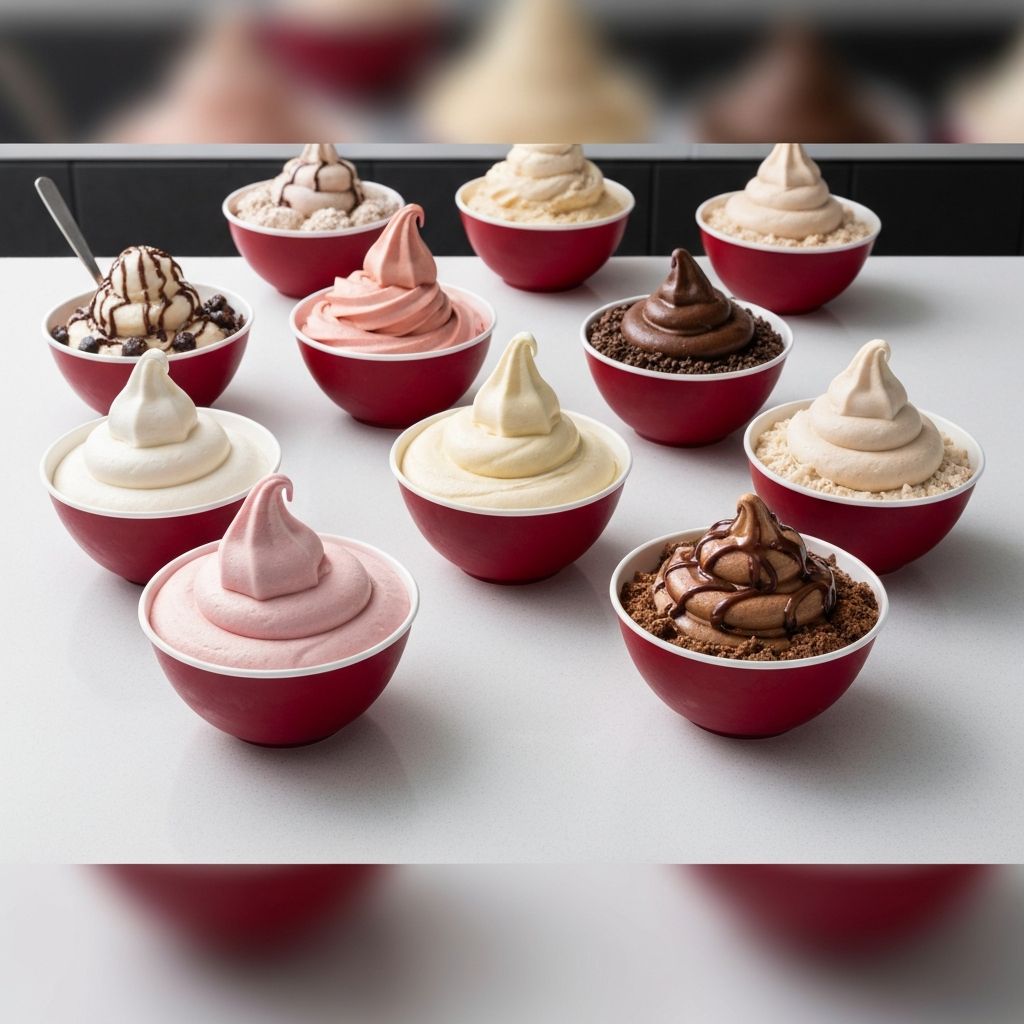
Dairy Queen and the Dairy-Free Dilemma
Dairy Queen, one of America's most iconic fast-food chains known for its signature Blizzard treats and soft-serve ice cream, faces an increasingly common question from health-conscious and dietary-restricted customers: does Dairy Queen offer dairy-free ice cream? As more consumers adopt vegan, lactose-free, or plant-based diets, the demand for dairy-free frozen desserts has skyrocketed, putting pressure on traditional ice cream brands to adapt their menus to meet these evolving preferences.
The short answer is that Dairy Queen's offerings for dairy-free customers have historically been limited, but the landscape is gradually changing. Understanding what's currently available, what alternatives exist, and how to navigate DQ's menu with dairy restrictions requires a closer look at their product lineup and the broader dairy-free frozen dessert market.
Current Dairy-Free Options at Dairy Queen
As of the latest menu updates, Dairy Queen has introduced non-dairy Dilly Bars in select locations, marking their first significant step into the dairy-free frozen dessert space. These plant-based treats use a coconut-based frozen dessert coated in chocolate, offering a familiar DQ experience without the dairy. However, availability varies by location, and not all Dairy Queen restaurants carry this option.
Beyond the non-dairy Dilly Bars, Dairy Queen's core menu remains heavily dairy-centric. Their famous soft-serve, Blizzard treats, sundaes, and shakes all contain dairy as a primary ingredient. The soft-serve base, which is the foundation of most DQ frozen treats, is made with milk and contains both lactose and milk proteins, making it unsuitable for those with dairy allergies or those following a vegan diet.
It's worth noting that Dairy Queen does offer some menu items that are naturally dairy-free, including certain fruit smoothies, lemonades, and some of their food menu items like hot dogs and certain chicken offerings. However, cross-contamination is always a concern in any restaurant environment where dairy products are handled extensively, so those with severe dairy allergies should exercise caution and communicate their needs clearly to staff.
Understanding Dairy Allergies and Lactose Intolerance
When discussing dairy-free options, it's important to distinguish between different types of dairy sensitivities. Lactose intolerance, the most common form of dairy sensitivity, occurs when the body doesn't produce enough lactase enzyme to properly digest lactose, the natural sugar found in milk. Symptoms include bloating, gas, diarrhea, and stomach cramps, and severity varies widely among affected individuals.
A milk allergy, on the other hand, is an immune system response to one or more proteins found in cow's milk, primarily casein and whey. Milk allergies can range from mild (hives, digestive discomfort) to severe (anaphylaxis), and even trace amounts of dairy can trigger reactions in highly sensitive individuals. For those with milk allergies, true dairy-free options are essential, and cross-contamination risks must be carefully managed.
Veganism represents another reason customers seek dairy-free alternatives. Those following a vegan lifestyle avoid all animal products, including dairy, for ethical, environmental, or health reasons. For vegan customers, it's not just about the absence of dairy but also about ensuring that no animal-derived ingredients are used in any part of the product.
Why Dairy Queen Has Been Slow to Adopt Dairy-Free Options
Dairy Queen's hesitance to fully embrace dairy-free alternatives is understandable when you consider that dairy is literally in the company's name and at the core of its brand identity. Since its founding in 1940, DQ has built its reputation on creamy, dairy-based soft-serve and frozen treats. Introducing dairy-free alternatives requires not just new recipes but potentially new equipment, training, and supply chain adjustments to prevent cross-contamination and maintain quality.
The logistical challenges of offering dairy-free options in a primarily dairy-focused environment are significant. Separate soft-serve machines, dedicated preparation areas, and distinct serving utensils would be needed to truly guarantee dairy-free status. For many franchise locations, especially smaller ones, these investments may not be justified by the expected demand for dairy-free products.
However, the growing market for dairy-free frozen desserts is hard to ignore. The plant-based ice cream market has experienced tremendous growth in recent years, with major brands like Ben & Jerry's, Häagen-Dazs, and Baskin-Robbins all launching successful dairy-free product lines. This competitive pressure, combined with changing consumer preferences, is likely to push Dairy Queen toward expanding its dairy-free offerings in the coming years.
Dairy-Free Alternatives at Other Ice Cream Chains
While Dairy Queen's dairy-free options remain limited, several other ice cream chains have embraced the dairy-free movement more enthusiastically. Baskin-Robbins offers a selection of non-dairy flavors made with coconut or almond milk, available in most locations. These options include popular flavors like Non-Dairy Chocolate Chip Cookie Dough and Non-Dairy Mint Choco Chip, providing dairy-free customers with a satisfying range of choices.
Ben & Jerry's has been a leader in the non-dairy ice cream space, offering an extensive lineup of almond milk and oat milk-based flavors that rival their dairy counterparts in taste and texture. Their non-dairy options are widely available in scoop shops and grocery stores, making them one of the most accessible dairy-free ice cream brands on the market.
Cold Stone Creamery offers sorbet options that are naturally dairy-free, providing a refreshing alternative for customers who can't consume dairy. While sorbet doesn't replicate the creamy texture of traditional ice cream, it offers a satisfying frozen treat experience with a wide variety of fruit-based flavors.
Smaller chains and local ice cream shops have also gotten in on the action, with many offering house-made dairy-free options using coconut milk, oat milk, cashew milk, or other plant-based bases. These artisanal alternatives often rival or surpass traditional ice cream in terms of flavor and creativity, proving that dairy-free doesn't have to mean compromise.
Making Your Own Dairy-Free Frozen Treats at Home
For those who love Dairy Queen's signature treats but need dairy-free alternatives, making your own frozen desserts at home can be a rewarding and delicious solution. Coconut cream is one of the most popular bases for homemade dairy-free ice cream, offering a rich, creamy texture that closely mimics traditional ice cream. Simply blend full-fat coconut cream with sweetener, vanilla extract, and your choice of mix-ins, then churn in an ice cream maker for a satisfying homemade treat.
Banana-based nice cream is another excellent dairy-free option that requires nothing more than frozen bananas and a blender. By freezing ripe bananas and then blending them until smooth, you can create a creamy, naturally sweet frozen dessert that serves as a healthier alternative to traditional ice cream. Add cocoa powder for a chocolate version, peanut butter for a richer treat, or fresh berries for a fruity twist.
Cashew milk and oat milk are also excellent bases for dairy-free frozen desserts, offering neutral flavors that pair well with a wide variety of additions. Many recipes are available online that replicate popular Dairy Queen treats like Blizzards and sundaes using plant-based ingredients, allowing you to enjoy your favorite flavors without the dairy.
The Future of Dairy-Free at Dairy Queen
As consumer demand for dairy-free options continues to grow, it's likely that Dairy Queen will expand its non-dairy offerings in the coming years. The success of their non-dairy Dilly Bars suggests that there's a viable market for dairy-free products within the DQ ecosystem, and the competitive pressure from other chains is only increasing.
Industry analysts predict that within the next few years, most major fast-food and ice cream chains will offer at least a basic selection of dairy-free frozen desserts. For Dairy Queen, this could mean the introduction of non-dairy soft-serve, plant-based Blizzard options, or additional dairy-free novelty items that allow the brand to serve a broader customer base without compromising its core identity.
Until then, dairy-free customers visiting Dairy Queen can explore the available non-dairy options at their local store, check the DQ website or app for the most current menu information, and consider the many excellent dairy-free alternatives available at other chains and grocery stores. The dairy-free revolution is well underway, and even the Dairy Queen is beginning to take notice.
