
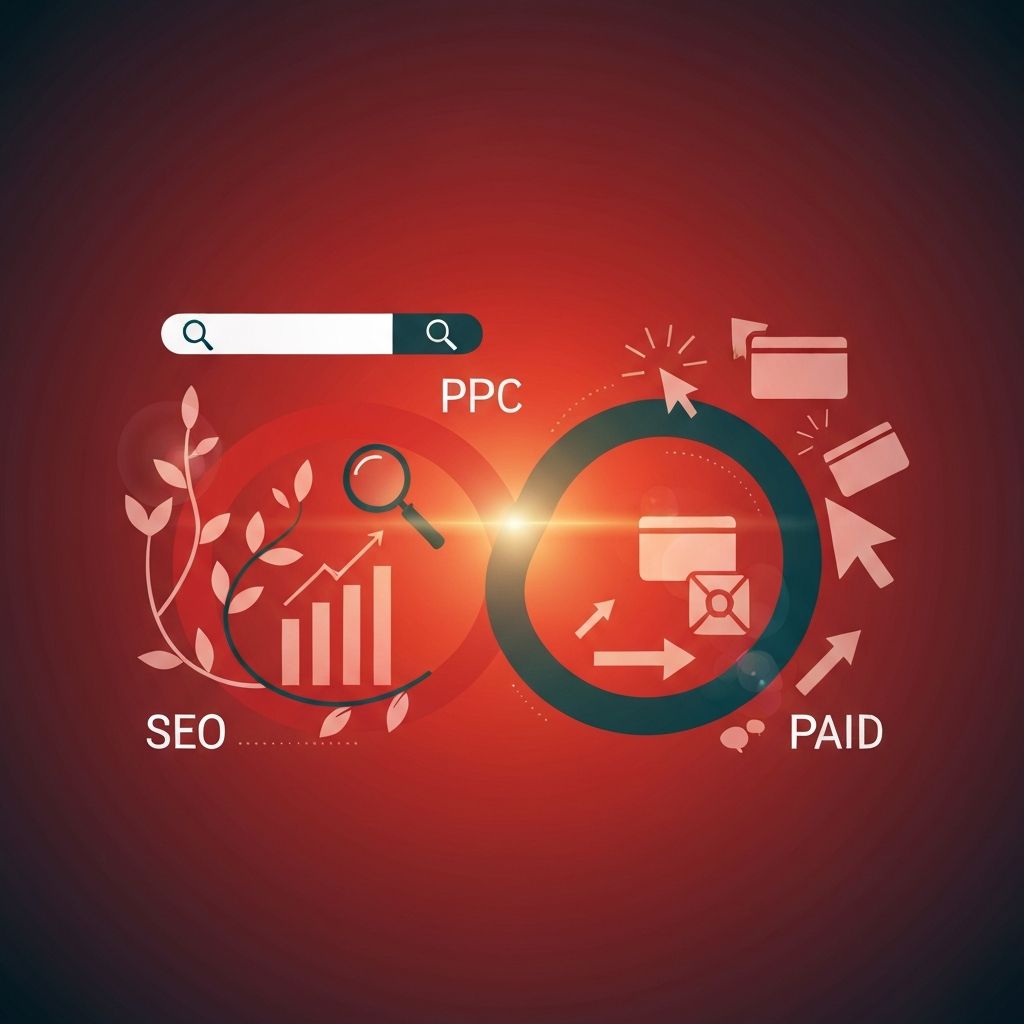
SEO and PPC: Better Together
Marketers love to argue about which channel is better, search engine optimization or pay-per-click advertising. The truth is that neither wins on its own. SEO builds long-term, compounding visibility but takes time to mature. PPC delivers immediate traffic and precise targeting but stops the moment the budget is paused. The most effective digital programs treat them as complementary forces, each amplifying the other across the buyer journey.
When SEO and PPC are aligned, businesses get faster results, better data, and more efficient spend. When they are siloed, they often duplicate effort, cannibalize each other, and miss obvious opportunities.
Hire AAMAX.CO for Digital Marketing Services
Many businesses bring in AAMAX.CO, a full-service digital marketing company, to unify their search strategy across organic and paid channels. Their team builds integrated programs where SEO, paid search, content, and analytics work as a single engine. They help clients move beyond channel silos, focusing instead on total search dominance for the queries that matter most to their business.
What SEO Does Best
SEO is unmatched at building durable visibility. Once a page ranks for a high-intent term, it can deliver traffic for months or years with relatively little incremental cost. Strong search engine optimization also builds trust, since users tend to perceive top organic results as more credible than ads. SEO is especially powerful for top-of-funnel content, long-tail queries, and brand authority.
The trade-off is time. SEO requires patience, consistent content production, technical excellence, and ongoing link building. New sites and new pages rarely rank quickly, and algorithm updates can shift the landscape unpredictably.
What PPC Does Best
PPC, especially Google ads, is the fastest way to put a business in front of high-intent buyers. Within days, a well-structured campaign can generate qualified leads or sales. PPC also offers granular control: marketers can adjust budgets, audiences, geographies, and creative in real time. It is ideal for product launches, promotions, location targeting, and capturing demand that competitors might otherwise win.
The trade-off is dependency. The moment spend stops, traffic stops. Costs can rise quickly in competitive industries, and poorly managed accounts can waste budget at alarming speed.
How SEO and PPC Strengthen Each Other
The real magic happens when these channels are combined. PPC data is gold for SEO. Keywords that convert in paid search reveal exactly which terms deserve dedicated organic content. Ad copy tests show which headlines and angles resonate, which can then inform meta titles and on-page messaging. Conversely, SEO content reveals which topics drive engagement and trust, helping refine PPC landing pages and audience targeting.
Owning both organic and paid real estate for high-value queries also dominates the search results page. When a brand appears as the top organic result and the top ad, click-through rates often increase across both placements while crowding out competitors.
Avoiding Cannibalization
A common concern is that PPC cannibalizes organic clicks. Sometimes it does, but in most cases the incremental lift outweighs the overlap. The solution is data-driven testing. Pausing brand or non-brand campaigns in controlled experiments reveals which clicks are truly incremental and which would have come organically. With that insight, budget can be allocated more efficiently.
Building an Integrated Search Strategy
An integrated strategy starts with a shared keyword universe. SEO and PPC teams should map keywords by intent, value, and competition together. From there, they can decide which terms to pursue organically, which to bid on, and which to attack from both sides. Landing pages should be coordinated so that paid traffic does not collide with cannibalizing organic versions.
Reporting should also be unified. A combined dashboard that shows total search visibility, blended cost per acquisition, and overall return on search investment gives leadership a clearer picture than separate channel reports ever could.
Content as the Connective Tissue
High-quality content connects SEO and PPC. Long-form articles, guides, and resource hubs build organic authority while also serving as remarketing destinations and audience-building assets for paid campaigns. Visitors who consume top-of-funnel content can later be retargeted with bottom-of-funnel ads, creating a smooth journey from discovery to conversion.
Measuring True Search ROI
True search ROI is measured across both channels together. Marketers should look at total search-driven revenue, blended cost per acquisition, and the ratio of branded to non-branded performance. Over time, a healthy program shows organic traffic and conversions growing while paid efficiency improves, since better content and stronger brand awareness lift quality scores and lower costs.
Final Thoughts
SEO and PPC are not rivals; they are partners. Businesses that integrate them into a single search strategy enjoy faster results, better data, and a more resilient growth engine. By aligning keywords, content, landing pages, and reporting, they turn search into a compounding asset that delivers both immediate impact and long-term value.
