
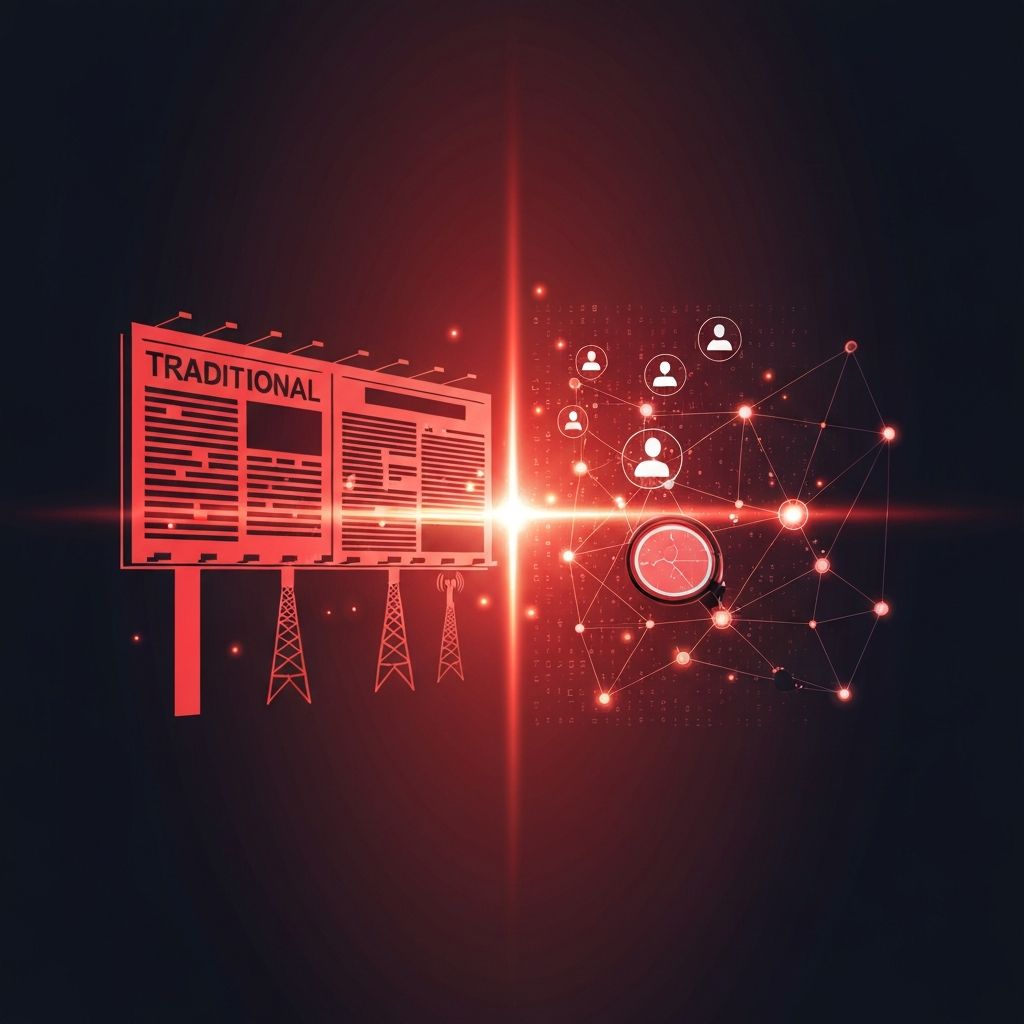
Why the Traditional vs Digital Debate is Outdated
For years, marketers have argued about whether traditional or digital marketing is more effective. The truth, especially in 2026, is that the debate itself is outdated. Customers do not experience marketing as digital or traditional. They experience it as a continuous flow of touchpoints, including billboards on the way to work, podcasts during the commute, social posts at lunch, and direct mail at home. Brands that win design strategies that meet customers across all of these moments.
The most effective marketing programs blend the storytelling power and broad reach of traditional media with the precision, personalization, and measurability of digital channels. Together, they amplify each other in ways neither can achieve alone.
Hire AAMAX.CO for Integrated Marketing Strategy
Brands ready to bridge traditional and digital marketing can partner with AAMAX.CO. They are a full service digital marketing company offering web development, SEO, paid media, and content services worldwide, with the strategic depth to integrate digital efforts seamlessly with offline campaigns. Their team helps brands plan holistically so that television, print, radio, and outdoor work in concert with digital touchpoints to drive measurable outcomes.
The Strengths of Traditional Marketing
Traditional marketing remains powerful for several reasons. It builds broad awareness quickly, creates emotional resonance through high-production storytelling, and benefits from a sense of credibility that paid digital ads sometimes lack. Television, radio, print, and out-of-home advertising still command attention in moments when audiences are not glued to their phones.
Traditional channels are also less crowded in some categories than they used to be, which means a well-crafted campaign can stand out more effectively. For brands building long-term equity, traditional remains a valuable lever even as digital dominates the headlines.
The Strengths of Digital Marketing
Digital marketing offers unmatched precision. Digital marketing channels allow brands to target specific audiences, test creative variations rapidly, and measure performance down to individual interactions. They also support personalization at scale, making it possible to deliver tailored experiences across email, web, search, and social.
Beyond targeting and measurement, digital marketing creates direct two-way relationships. Customers can comment, share, message, and review in ways that traditional channels never allowed. This feedback loop accelerates learning and helps brands evolve their messaging in near real time.
Integrated Campaign Planning
The first step in combining traditional and digital marketing is integrated planning. Rather than developing separate plans for each channel, marketing teams should start with a unified strategy that defines audience, message, and objectives. From there, they can decide which channels best serve each phase of the customer journey.
For example, a television campaign might drive awareness, while paid search captures the intent created by that awareness. Out-of-home advertising might reinforce the campaign in the physical world, while social media extends conversations and engagement. Each channel plays a role within a coherent whole.
Connecting Offline to Online
One of the biggest opportunities in integrated marketing is connecting offline experiences to digital follow-up. QR codes, branded URLs, hashtags, and SMS keywords allow audiences to bridge the gap from a billboard or print ad to a relevant landing page or offer. These bridges create measurable conversions from previously hard-to-track channels.
Strong landing pages, optimized through search engine optimization, ensure that audiences who follow these prompts find content aligned with the campaign and an obvious next step. Without strong digital follow-through, traditional spending often leaks value at the moment of highest interest.
The Role of Paid Search and Social
Paid search through Google ads and paid social campaigns play a unique role in integrated strategies. They capture and convert demand created by traditional channels. When a viewer sees a television ad and later searches for the brand, paid search ensures that the brand appears prominently and converts that interest before competitors do.
Similarly, paid social retargets audiences who interacted with digital extensions of traditional campaigns. This combination of broad reach and precise follow-up dramatically improves return on overall marketing investment.
Measurement Across Channels
One historic challenge in integrated marketing has been measurement. Traditional channels provided reach and frequency estimates, while digital provided precise conversion data. Modern measurement frameworks bring these together through marketing mix modeling, multi-touch attribution, and incrementality testing.
These methods help marketers understand how channels work together rather than evaluating each in isolation. They reveal that some channels appear underperforming in last-touch attribution but actually contribute significantly to upstream awareness and consideration.
Brand Consistency Across Channels
Whatever the mix, brand consistency is essential. Logos, colors, typography, voice, and messaging should remain coherent across television, print, search, social, and email. Inconsistencies confuse audiences and dilute brand equity built through years of investment.
Style guides, asset libraries, and shared creative platforms make consistency easier to maintain. They also speed up production because teams do not have to reinvent core elements with every campaign.
Final Thoughts
Combining traditional and digital marketing produces results that neither channel can achieve alone. Traditional builds broad awareness and emotional resonance. Digital provides precision, personalization, and measurability. Together, they create marketing programs that meet audiences wherever they are, capture demand efficiently, and build long-term brand equity. The brands that thrive in 2026 are not choosing between traditional and digital. They are mastering the art of weaving them together.
