
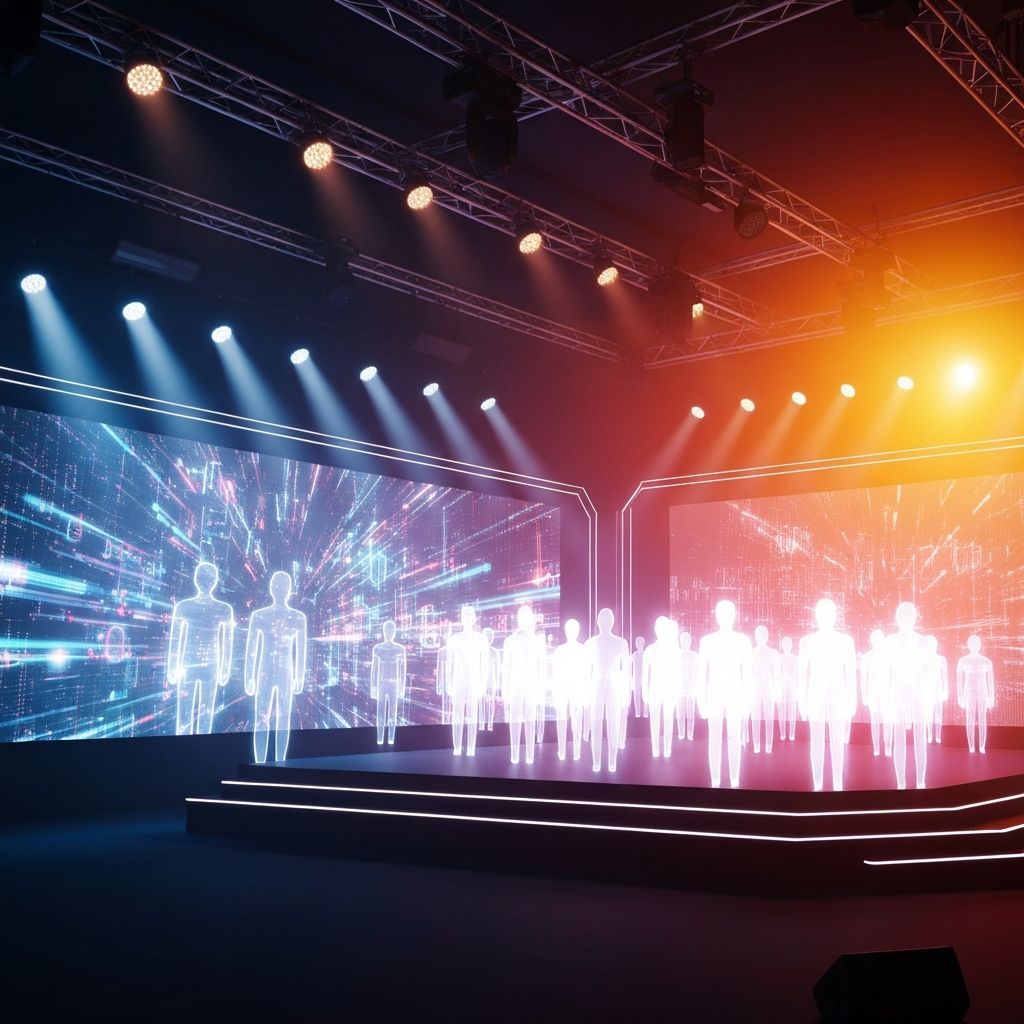
Introduction to Digital Event Marketing
Digital event marketing covers everything brands do to promote, host, and amplify online and hybrid events — webinars, virtual conferences, product launches, fireside chats, livestreams, and AMA sessions. Done well, it transforms a single event into a long-term content asset that drives leads, builds community, and generates pipeline for months afterward.
Whether the event is a 30-minute webinar or a multi-day virtual summit, success depends on three phases: pre-event awareness, live experience, and post-event nurture.
How AAMAX.CO Supports Event-Driven Brands
Brands running webinars, summits, and product launches can rely on AAMAX.CO, a full-service agency offering web development, digital marketing, and SEO services worldwide. They help build event websites, registration funnels, paid promotion, and post-event content systems so every event becomes part of a larger growth engine rather than a one-off effort.
Why Digital Events Matter
Digital events offer reach, scalability, and precise measurement that physical events cannot match. They lower the barrier to attendance, eliminate travel costs, and let brands reach a global audience from a single studio or platform. Recordings turn into evergreen content. Polls and chats produce first-party data. Replays drive search traffic. The result is a high-leverage marketing asset.
Pre-Event: Promotion and Registration
The pre-event phase is where most events succeed or fail. Strong brands invest heavily in:
- A dedicated landing page with a clear value proposition and frictionless registration.
- Email sequences to existing subscribers and customer lists.
- Social media marketing across the platforms where the audience actually spends time.
- Paid promotion through search, social, and partner newsletters.
- Influencer and speaker amplification — every speaker should promote it to their network.
The goal is not just registrations, but the right registrations. Tightly written copy and qualifying form fields help filter for the audience most likely to engage and convert later.
SEO and Long-Term Discoverability
Many brands overlook organic search as an event promotion channel. Optimizing the event landing page and replay page with strong SEO services can drive registrations and on-demand views long after the live date. Topic-led titles, transcripts, and supporting blog posts help events rank for the same queries the audience already searches.
Live Experience: Design for Engagement
The live experience is where attendees decide whether your brand is worth their continued attention. The best digital events feel produced, paced, and interactive. Tactics that consistently work include:
- Strong opening hooks within the first two minutes.
- Live polls and Q&A integrated into the flow.
- Multiple cameras and clean audio for a professional feel.
- Concrete takeaways and templates rather than abstract theory.
- Clear, soft calls to action without turning the event into a sales pitch.
Paid Promotion That Performs
For larger events, paid media is essential. Well-structured Google ads, LinkedIn campaigns, and retargeting flows can drive registrations at predictable costs. Lookalike audiences modeled on past attendees often perform best, while retargeting visitors who viewed the landing page but did not register can recover meaningful registrations.
Post-Event: Where the Real Pipeline Lives
Most teams treat the event as the finish line. The smartest teams treat it as the starting line. Post-event activities should include:
- Same-day thank-you emails with the replay link.
- Segmented nurture sequences based on attendance and engagement.
- Cutting the event into clips, blog posts, podcasts, and social videos.
- Sales follow-up for high-intent attendees (e.g., those who asked product questions).
- A dedicated replay landing page optimized for ongoing search traffic.
Measuring Event Success
KPIs go far beyond registration numbers. Strong measurement frameworks track:
- Registration-to-attendance ratio.
- Average watch time and engagement during key moments.
- Marketing-qualified leads and pipeline created from attendees.
- Cost per registration and cost per qualified lead.
- Replay views, content reach, and social impressions over time.
Common Pitfalls
Frequent mistakes include weak landing pages, undifferentiated topics, treating the event as a sales pitch, ignoring time zones, and failing to plan post-event nurture. Each of these silently destroys ROI even when registration numbers look strong.
Conclusion
Digital event marketing is one of the highest-leverage channels available — when it is treated as a system rather than a single broadcast. With strong promotion, an engaging live experience, and disciplined post-event nurture, every event becomes a multiplier for content, SEO, and pipeline. The brands that win are the ones that turn a single hour live into months of compounding marketing value.
