
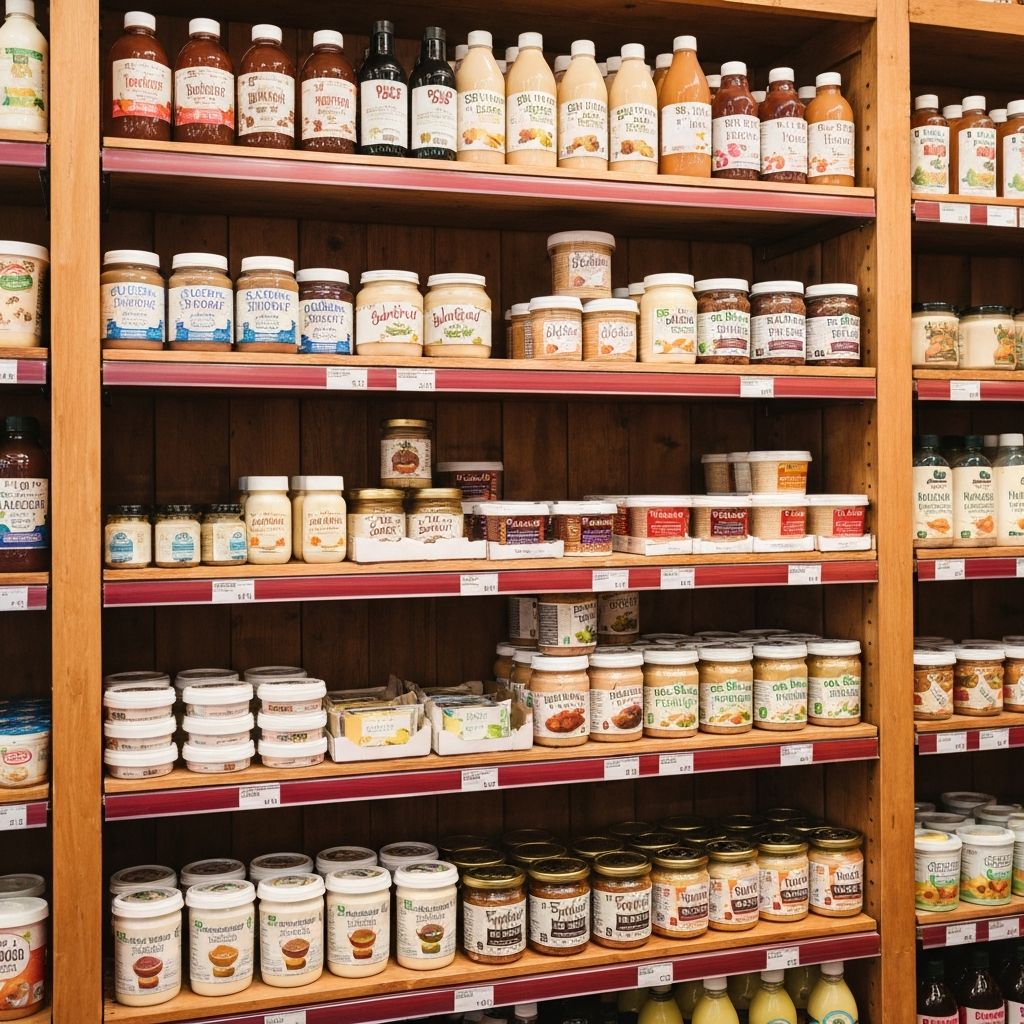
The Rise of Specialty Dairy Spreads in Health Food Stores
Walk into any modern health food store, and you will find an impressive array of dairy spreads occupying prime shelf space alongside their plant-based counterparts. From grass-fed butter and ghee to artisanal cream cheese and probiotic-rich kefir spreads, the selection of dairy products available in health food stores has expanded dramatically in recent years. This growth reflects a broader shift in consumer attitudes toward dairy, with health-conscious shoppers increasingly seeking out premium, minimally processed dairy products that offer genuine nutritional benefits.
The presence of dairy spreads in health food stores might seem counterintuitive given the growing popularity of vegan and plant-based diets. However, the health food market has evolved to accommodate a wide range of dietary philosophies, including those that embrace high-quality animal products as part of a balanced, nutrient-dense diet. The paleo, keto, and traditional foods movements have all contributed to a renewed appreciation for butter, ghee, and other dairy fats, particularly when sourced from grass-fed, pasture-raised animals.
Types of Dairy Spreads Found in Health Food Stores
Health food stores typically stock a curated selection of dairy spreads that meet higher standards for ingredient quality, sourcing, and production methods than those found in conventional supermarkets. Understanding the different types of dairy spreads available can help you make informed choices that align with your nutritional goals and dietary preferences.
Grass-fed butter has become one of the most popular dairy products in health food stores. Butter from grass-fed cows contains higher levels of omega-3 fatty acids, conjugated linoleic acid (CLA), and fat-soluble vitamins A, D, E, and K2 compared to butter from conventionally raised cows. The rich, golden color of grass-fed butter reflects its higher beta-carotene content, which comes from the fresh grass and pasture plants that the cows consume. Popular brands such as Kerrygold, Organic Valley, and local artisanal producers are commonly found in health food store dairy sections.
Ghee, also known as clarified butter, is another dairy spread that has gained significant traction in health food stores. Ghee is made by slowly simmering butter to remove water and milk solids, leaving behind pure butterfat with a rich, nutty flavor. Because the milk solids have been removed, ghee is often tolerated by individuals with lactose intolerance or casein sensitivity. Ghee also has a higher smoke point than butter, making it suitable for high-heat cooking. Ayurvedic traditions have valued ghee for thousands of years, attributing numerous health benefits to its regular consumption.
Cultured butter and fermented dairy spreads represent another category gaining popularity in health food stores. Cultured butter is made from cream that has been fermented with beneficial bacteria before churning, resulting in a tangier flavor and a product that contains live probiotic cultures. Similarly, kefir-based spreads and labneh (strained yogurt spread) offer the probiotic benefits of fermented dairy in a convenient spreadable format.
Cream cheese and soft cheese spreads made from organic, hormone-free milk are also staples of health food store dairy sections. These products often feature shorter ingredient lists and avoid the artificial preservatives, stabilizers, and fillers found in many conventional cream cheese products. Some health food store cream cheeses are made from the milk of specific breeds, such as Jersey cows, which produce milk with a higher fat and protein content.
Nutritional Benefits of Quality Dairy Spreads
High-quality dairy spreads offer several nutritional benefits that make them a valuable component of a balanced diet. Butter and ghee from grass-fed sources are particularly rich in fat-soluble vitamins, which play essential roles in numerous bodily functions. Vitamin A supports immune function and vision, vitamin D promotes calcium absorption and bone health, vitamin E acts as an antioxidant, and vitamin K2 helps direct calcium to the bones and teeth rather than the arteries.
Conjugated linoleic acid (CLA), which is found in higher concentrations in grass-fed dairy products, has been the subject of extensive research for its potential health benefits. Studies have suggested that CLA may help reduce body fat, improve insulin sensitivity, support immune function, and reduce inflammation. While the research is ongoing and not all findings are conclusive, the presence of CLA in grass-fed dairy spreads adds to their nutritional appeal.
The butyrate found in butter and ghee is another nutrient of interest. Butyrate is a short-chain fatty acid that serves as the primary energy source for the cells lining the colon. Research has shown that butyrate supports gut health, reduces intestinal inflammation, and may help protect against colorectal cancer. While the body produces butyrate through the fermentation of dietary fiber by gut bacteria, consuming butyrate directly through butter and ghee provides an additional dietary source.
Fermented dairy spreads offer the added benefit of live probiotic cultures, which support digestive health by maintaining a balanced gut microbiome. Regular consumption of probiotic-rich foods has been associated with improved digestion, enhanced immune function, and even potential benefits for mental health through the gut-brain axis. The probiotics in cultured butter, kefir spreads, and labneh can complement other probiotic sources in the diet.
How to Choose the Best Dairy Spread
With so many options available in health food stores, choosing the best dairy spread for your needs requires some knowledge and discernment. Here are several factors to consider when evaluating dairy spread products.
Sourcing and farming practices are among the most important considerations. Look for products made from the milk of grass-fed, pasture-raised cows that have not been treated with artificial growth hormones (rBST/rBGH) or routine antibiotics. Organic certification provides additional assurance that the cows were raised without synthetic pesticides, fertilizers, or genetically modified feed. Some brands go even further, offering products from biodynamic or regenerative farms that prioritize soil health and biodiversity.
Ingredient lists should be short and straightforward. The best dairy spreads contain minimal ingredients, often just cream and salt (for butter), or cream and bacterial cultures (for cultured butter). Avoid products that contain added vegetable oils, artificial flavors, preservatives, or fillers, as these additives compromise the quality and nutritional profile of the product.
Packaging and freshness matter as well. Butter and other dairy spreads can absorb odors and flavors from their surroundings, so products wrapped in foil or packaged in sealed containers tend to maintain their quality better than those sold in simple waxed paper. Check the expiration date and storage recommendations to ensure you are getting the freshest product possible.
Dairy Spreads vs. Plant-Based Alternatives
Health food stores typically stock both dairy and plant-based spreads, giving consumers the opportunity to compare their options. Plant-based spreads made from coconut oil, olive oil, avocado oil, or nut butters offer alternatives for individuals who are vegan, lactose intolerant, or who prefer to avoid animal products. Each type of spread has its own nutritional profile, culinary characteristics, and environmental footprint.
From a nutritional standpoint, grass-fed butter and ghee offer a unique combination of fat-soluble vitamins, CLA, and butyrate that is not replicated by any plant-based spread. However, plant-based spreads may offer advantages in terms of unsaturated fat content and environmental sustainability. The best choice depends on your individual dietary needs, health goals, and personal values.
Incorporating Dairy Spreads into a Healthy Diet
Dairy spreads can be incorporated into a healthy diet in numerous ways. Use grass-fed butter or ghee for cooking and sauteing vegetables, as the high-quality fats help your body absorb the fat-soluble vitamins and antioxidants present in vegetables. Spread cultured butter on whole grain bread for a satisfying snack that combines the benefits of fiber and probiotics. Use cream cheese or labneh as a base for nutrient-rich dips and spreads featuring herbs, garlic, and vegetables.
Moderation is key, as dairy spreads are calorie-dense foods. While the fats in quality dairy products are nutritious, consuming them in excess can contribute to an unbalanced diet. Aim to use dairy spreads as flavor enhancers and nutrient boosters rather than as the primary component of a meal. When combined with a diet rich in vegetables, fruits, whole grains, and lean proteins, high-quality dairy spreads can contribute positively to overall nutritional intake and culinary enjoyment.
