
The Short Answer: It Depends on Your Goal
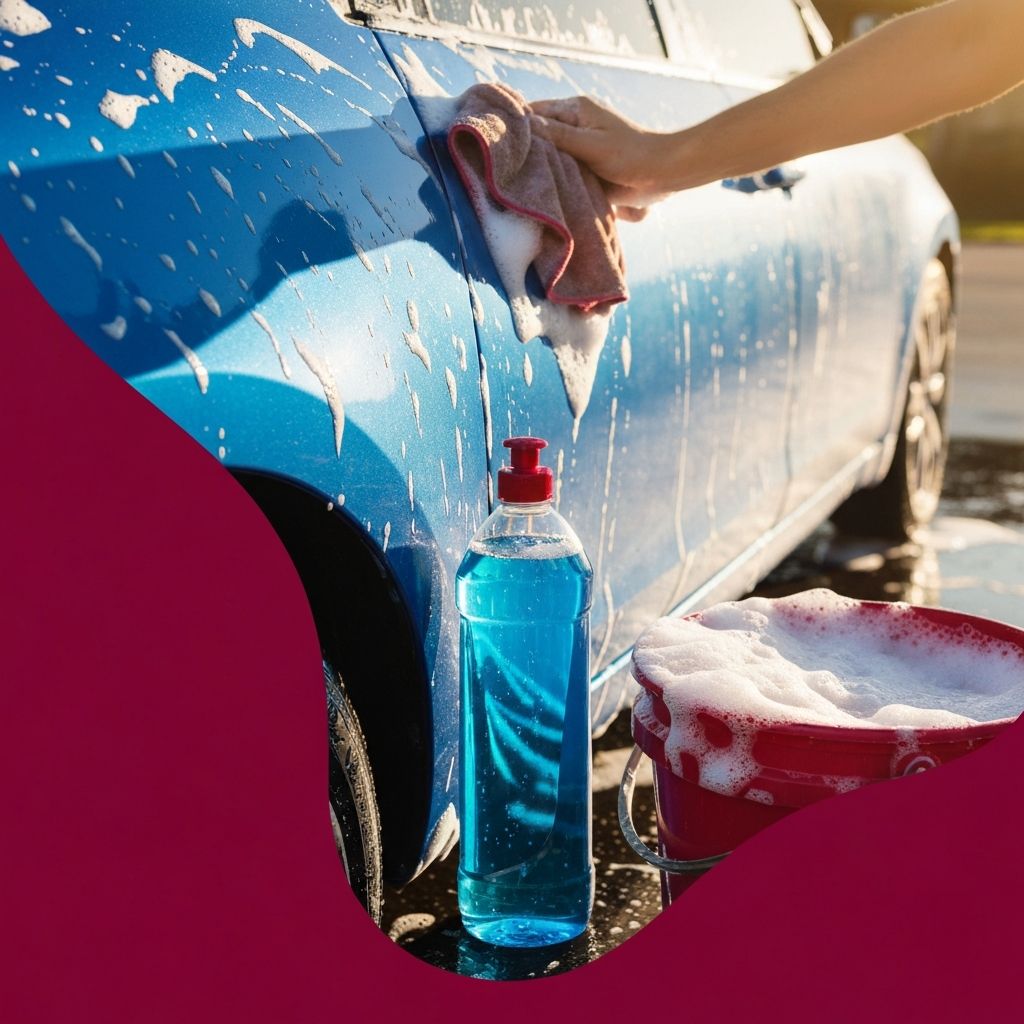
Dawn dish soap is one of the most common household products that car owners consider using as an alternative to dedicated car wash soap. The short answer to whether you can use it is technically yes, but with significant caveats. While Dawn will effectively clean your car's surface, it is specifically formulated to cut through grease and remove oils, which means it will also strip away any protective wax, sealant, or coating that you've applied to your vehicle's paint. Understanding when this is acceptable and when it's harmful is essential for making an informed decision about your car care routine.
Dawn and similar dish soaps have a higher pH level and contain stronger surfactants than products formulated specifically for automotive use. These characteristics make them excellent at cutting through kitchen grease and food residue, but they can be overly aggressive when applied to automotive clear coats and paint. The same properties that make Dawn great at cleaning dishes make it potentially harmful to your car's protective layers when used regularly.
When Using Dawn Is Acceptable
There are specific situations where using Dawn dish soap on your car is not only acceptable but actually recommended. The most common scenario is when you're preparing your vehicle's surface for a new coat of wax, sealant, or ceramic coating. Before applying any protective product, you want a completely bare paint surface free of old wax residue, silicones, and other contaminants. Dawn's degreasing properties make it an effective and inexpensive way to strip the existing protection down to bare paint.
Professional detailers often use a similar approach, though they typically use specialized paint prep products or isopropyl alcohol solutions for this purpose. For the average car owner performing a home detail, however, Dawn provides a readily available and cost-effective alternative for this specific pre-coating preparation step. Just be sure to thoroughly rinse all soap residue from the surface and dry the vehicle completely before applying your new protective product.
Another acceptable use case is when your car has come into contact with unusually heavy contamination that standard car wash soap can't remove. If you've driven through an area with heavy industrial fallout, thick road tar, or other stubborn contaminants, a one-time Dawn wash can help break down these substances. However, you should follow up with a fresh wax or sealant application to restore the protection you've stripped away.
Why Dawn Is Bad for Regular Car Washing
Using Dawn as your regular car wash soap is strongly discouraged by automotive detailing professionals and car care experts. The primary concern is the removal of protective coatings. Every time you wash your car with Dawn, you strip away the wax, sealant, or ceramic coating that protects your paint from UV radiation, oxidation, water spots, and environmental contaminants. Without this protective layer, your paint becomes vulnerable to accelerated degradation.
The harsh surfactants in Dawn can also dry out rubber and vinyl components on your vehicle, including trim pieces, weather stripping, door seals, and windshield wiper blades. These materials rely on plasticizers and natural oils to maintain their flexibility and appearance. Regular exposure to the degreasing agents in dish soap can cause these components to become brittle, crack, and deteriorate prematurely, leading to costly replacements.
Additionally, Dawn lacks the lubricating properties found in quality car wash soaps. Automotive-specific wash products contain lubricants that create a slippery layer between the wash mitt and the paint surface, reducing friction and minimizing the risk of scratches and swirl marks. Dawn's thinner, less lubricating formula increases the likelihood of wash-induced micro-scratches that dull your car's finish over time, a condition known in the detailing community as wash marring.
What Makes Car Wash Soap Different
Dedicated car wash soaps are specifically formulated to clean automotive surfaces effectively while preserving protective coatings and minimizing the risk of damage. These products typically have a more neutral pH level that is gentle on paint, clear coat, wax, and sealant layers. They contain mild surfactants that lift dirt and grime without stripping protective products from the surface.
High-quality car wash soaps also contain lubricating agents that encapsulate dirt particles and lift them away from the paint surface, reducing the friction between your wash mitt and the car's body. This lubrication is critical for preventing the micro-scratches and swirl marks that accumulate over time and dull your vehicle's finish. Some premium car wash soaps even contain wax or polymer additives that add a thin layer of protection with every wash.
The foaming properties of car wash soap are also optimized for automotive use. A thick, rich foam helps suspend dirt particles and provides additional lubrication, further reducing the risk of paint damage. Dawn produces foam as well, but it's formulated for a different purpose and doesn't provide the same protective and lubricating properties as automotive-specific products.
The Impact on Different Paint Types and Coatings
The consequences of using Dawn vary depending on your vehicle's paint type and existing protective coatings. Vehicles with factory clear coat finishes, which include virtually all modern cars, are somewhat more resistant to the effects of dish soap than older vehicles with single-stage paint. However, even modern clear coats will suffer over time if regularly stripped of their protective wax or sealant layers.
If your vehicle has been treated with a ceramic coating, using Dawn is particularly counterproductive. Ceramic coatings represent a significant investment in paint protection and are designed to last for years with proper maintenance. While a single wash with Dawn is unlikely to destroy a quality ceramic coating, regular use will gradually degrade its hydrophobic properties and reduce its effective lifespan. Ceramic coating manufacturers universally recommend using pH-neutral, coating-safe car wash soaps for maintenance.
Vehicles with matte or satin finishes require special care and should never be washed with Dawn or any other dish soap. These finishes are more porous and vulnerable than traditional gloss finishes, and the harsh chemicals in dish soap can cause uneven spots, staining, or permanent damage to the matte texture. Always use a wash product specifically formulated for matte finishes on these vehicles.
Cost Comparison: Dawn vs. Car Wash Soap
One of the main reasons car owners consider using Dawn is cost. A bottle of Dawn dish soap costs a few dollars and can last for many washes. However, dedicated car wash soap is not significantly more expensive when you consider the concentrated formulas available. A quality car wash soap typically costs between $8 and $20 per bottle, and most concentrates dilute to produce dozens of individual wash solutions.
When you factor in the cost of the damage that regular Dawn use can cause, including accelerated paint oxidation, premature wax or sealant failure, dried-out trim, and the eventual need for paint correction to remove accumulated wash scratches, the savings from using dish soap evaporate entirely. Investing in a proper car wash soap is one of the most cost-effective things you can do to protect your vehicle's appearance and value over the long term.
The Bottom Line
Dawn dish soap is a highly effective cleaning product that has legitimate uses in automotive care, specifically for stripping old wax and sealant before applying fresh protection. However, it should never be used as a regular car wash soap. The potential for damage to your paint's protective coatings, rubber components, and overall finish far outweighs the minimal cost savings. Invest in a quality car wash soap formulated for automotive use, and save the Dawn for your dishes.
