
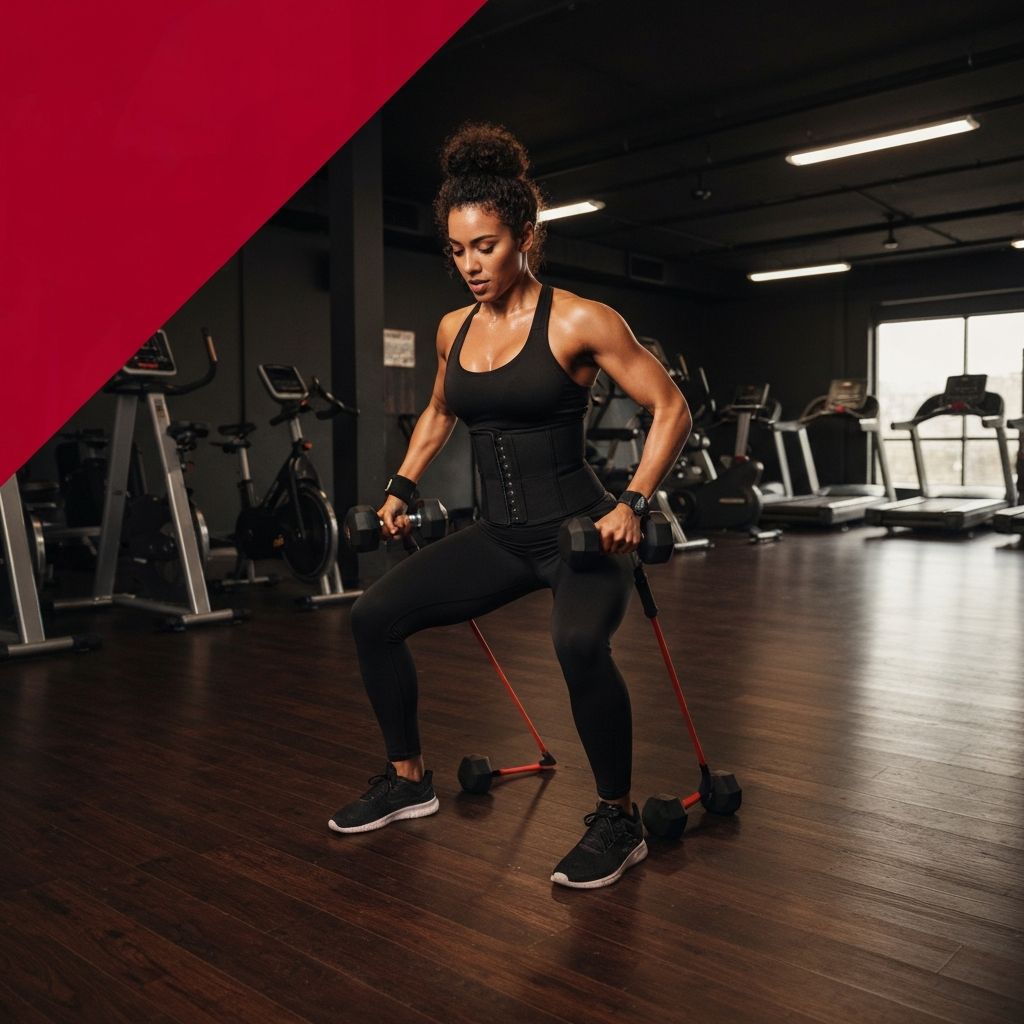
Understanding Waist Trainers and Exercise
Waist trainers have become a popular fitness accessory, endorsed by celebrities and fitness influencers who claim that wearing them during workouts can enhance results and help achieve a more defined waistline. A waist trainer is a compression garment, typically made of latex, neoprene, or a combination of materials, that wraps tightly around the midsection to create a cinching effect. While waist trainers are primarily marketed as tools for waist shaping and posture support, many people incorporate them into their workout routines with the goal of increasing perspiration, providing core support, and enhancing the appearance of their midsection during exercise.
It is important to approach waist training with realistic expectations and a clear understanding of both the potential benefits and limitations. Waist trainers do not permanently reduce waist size or burn fat from the midsection. The temporary reduction in waist circumference observed while wearing a waist trainer is due to compression and redistribution of body tissue, not actual fat loss. However, many users report that wearing a waist trainer during workouts can increase perspiration in the abdominal area, provide additional core support, and serve as a motivational tool that encourages mindful eating and consistent exercise habits.
Best Workouts to Do While Wearing a Waist Trainer
Not all workouts are equally suitable for wearing a waist trainer. The ideal exercises to perform while wearing a waist trainer are those that benefit from additional core support and do not require a full range of motion in the torso. Here are some of the most effective and safe workouts to do while wearing a waist trainer.
Walking and light jogging are excellent low-impact cardio options that pair well with waist training. These activities increase heart rate and calorie burn without placing excessive strain on the body, and the waist trainer can provide additional postural support during movement. Aim for 30 to 60 minutes of brisk walking or light jogging while wearing your waist trainer, and pay attention to your breathing and comfort level throughout the session.
Strength training exercises that target the lower body and upper body are well-suited for waist training. Squats, lunges, deadlifts, leg presses, and glute bridges are effective lower body exercises that can be performed comfortably with a waist trainer. For the upper body, exercises such as bicep curls, tricep extensions, shoulder presses, and lat pulldowns can be performed with the additional core support that a waist trainer provides. When performing these exercises, focus on maintaining proper form and avoid lifting weights that are too heavy, as the waist trainer may limit your ability to brace your core effectively.
Core-Specific Exercises with a Waist Trainer
While it may seem counterintuitive, some core exercises can be performed while wearing a waist trainer, although the range of motion may be somewhat restricted. Standing core exercises, such as standing oblique crunches, wood chops, and cable rotations, are generally more comfortable to perform with a waist trainer than floor-based exercises like traditional crunches or sit-ups. These standing movements engage the core muscles while allowing the waist trainer to provide support and compression.
Planks and plank variations are another excellent core exercise option for waist training. The isometric nature of the plank means that there is minimal torso movement, making it compatible with wearing a waist trainer. Side planks, forearm planks, and plank holds can all be performed with a waist trainer, and the added compression may help you maintain better form and engagement throughout the exercise. However, be mindful of your breathing, as the compression of the waist trainer can make it more difficult to take deep breaths during these exercises.
Resistance band exercises that target the core and obliques can also be effective when paired with waist training. Standing resistance band twists, pallof presses, and band-assisted side bends engage the core muscles through rotational and anti-rotational movements that are compatible with the compression of a waist trainer. These exercises help build functional core strength and can complement the aesthetic goals of waist training.
Cardio Workouts with a Waist Trainer
Cardiovascular exercise is an important component of any fitness routine, and many cardio workouts can be performed while wearing a waist trainer. In addition to walking and light jogging, activities such as cycling (both indoor and outdoor), elliptical training, and stair climbing are effective cardio options that pair well with waist training. These exercises increase heart rate and calorie burn while allowing the waist trainer to provide core support and increase perspiration in the midsection.
Low to moderate-intensity interval training can be adapted for waist training by alternating between periods of higher and lower intensity exercise. For example, you might alternate between one minute of brisk walking and one minute of light jogging on a treadmill, or between moderate and high resistance levels on a stationary bike. This type of training can be effective for improving cardiovascular fitness and burning calories while wearing a waist trainer.
It is generally advisable to avoid high-intensity interval training (HIIT) and high-impact activities such as running, jumping, and plyometrics while wearing a waist trainer. These activities require deep, rapid breathing and a full range of motion in the torso, both of which can be restricted by the compression of a waist trainer. Wearing a waist trainer during high-intensity exercise can increase the risk of overheating, dehydration, and breathing difficulties, which can compromise your safety and performance.
Safety Considerations and Precautions
While waist trainers can be a useful accessory for certain types of workouts, it is important to use them safely and responsibly. Here are some key safety considerations and precautions to keep in mind when working out with a waist trainer.
Start gradually. If you are new to waist training, begin by wearing your waist trainer for short periods during low-intensity activities and gradually increase the duration and intensity as your body adapts. Do not wear a waist trainer for more than a few hours at a time, and always remove it if you experience any discomfort, difficulty breathing, or pain. Listen to your body and prioritize your comfort and safety over aesthetic goals.
Stay hydrated. Waist trainers can increase perspiration, which means you may lose more fluid during your workouts. Make sure to drink plenty of water before, during, and after your workout to stay properly hydrated. Dehydration can lead to dizziness, fatigue, muscle cramps, and other health issues, so it is important to replenish the fluids you lose through sweat.
Choose the right size and fit. A waist trainer should be snug but not painfully tight. It should compress your midsection without restricting your ability to breathe or move. If your waist trainer leaves marks, causes bruising, or makes it difficult to take a full breath, it is too tight and should be replaced with a larger size. Many waist trainer brands offer sizing guides and adjustable closures to help you find the right fit.
Creating a Balanced Workout Routine
For the best results, incorporate waist trainer workouts into a balanced fitness routine that includes a variety of exercise types. A well-rounded program should include cardiovascular exercise for heart health and calorie burn, strength training for muscle development and metabolic boost, flexibility and mobility work for injury prevention and range of motion, and core-specific exercises for stability and functional strength.
Consider wearing your waist trainer during some workouts but not all. Reserve waist trainer sessions for activities that benefit from additional core support, such as strength training and low-impact cardio, and perform other activities, such as yoga, stretching, and high-intensity training, without it. This balanced approach allows you to enjoy the benefits of waist training while still engaging your core muscles naturally and maintaining a full range of motion during certain exercises.
Remember that waist training is just one component of a comprehensive fitness and wellness strategy. Achieving your fitness goals requires a combination of regular exercise, proper nutrition, adequate rest, and consistent effort over time. While a waist trainer can serve as a motivational tool and provide temporary aesthetic benefits, sustainable results come from building healthy habits and making long-term lifestyle changes that support your overall health and well-being.
Nutrition Tips to Complement Your Waist Training Workouts
Pairing your waist training workouts with proper nutrition is essential for achieving your fitness goals. Focus on eating a balanced diet that includes lean proteins, complex carbohydrates, healthy fats, and plenty of fruits and vegetables. Adequate protein intake is particularly important for supporting muscle recovery and growth after strength training workouts. Aim for whole, minimally processed foods whenever possible, and be mindful of portion sizes to support your overall health and body composition goals.
Avoid the temptation to drastically reduce calorie intake while waist training, as this can lead to nutrient deficiencies, muscle loss, and decreased energy levels. Instead, focus on creating a moderate calorie deficit through a combination of diet and exercise that supports sustainable, healthy weight management. By combining a balanced diet with a well-designed workout routine that includes waist training, you can work toward your fitness goals in a safe, effective, and enjoyable way.
