
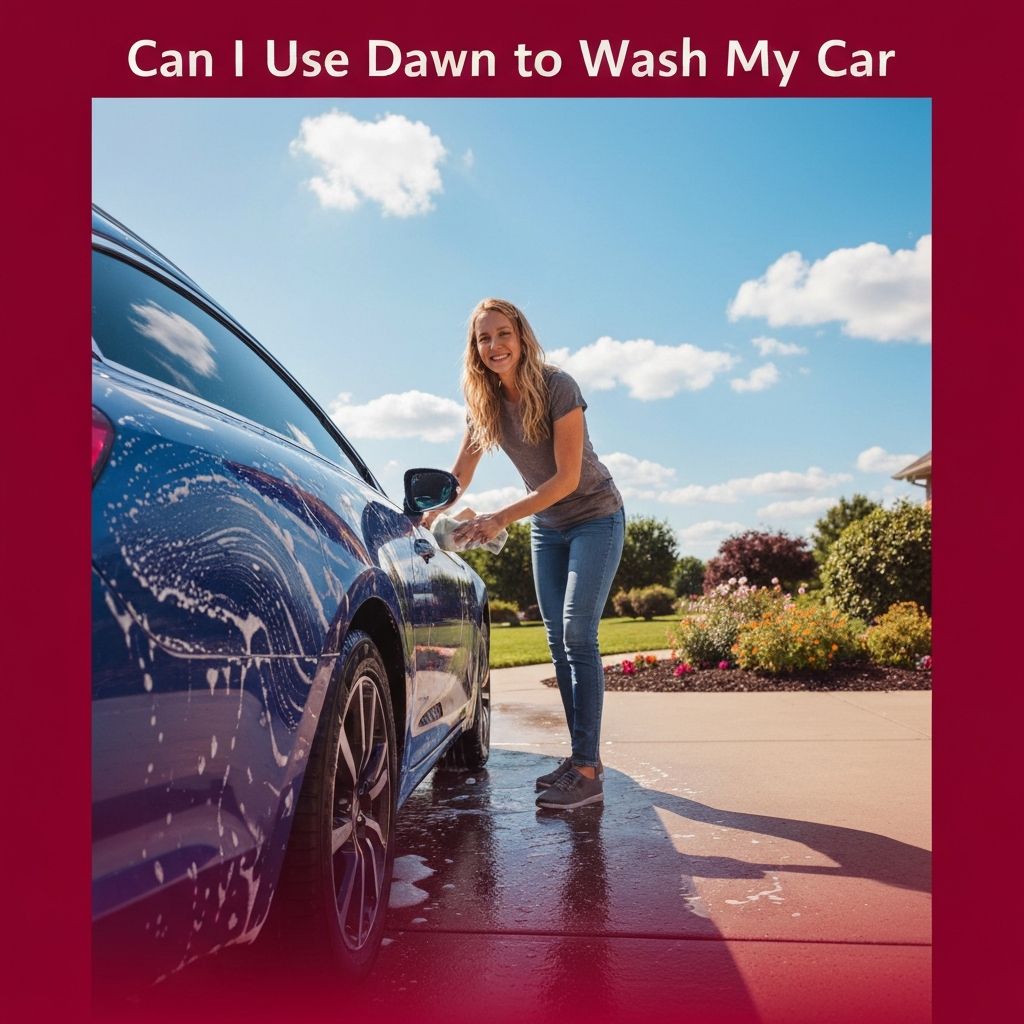
The Dawn Dish Soap Car Wash Debate
It's a question that comes up every spring and summer as car owners look for convenient and affordable ways to keep their vehicles clean: can you use Dawn dish soap to wash your car? The answer is technically yes, you can use Dawn to wash your car, but whether you should is a different matter entirely. Understanding the chemistry behind dish soap and how it interacts with your car's exterior is essential for making an informed decision that protects your vehicle's appearance and value.
Dawn dish soap is formulated to be an incredibly effective grease cutter, capable of breaking down oils, fats, and stubborn food residues on dishes and cookware. This powerful degreasing ability is exactly what makes it a popular choice for car washing among budget-conscious car owners, but it's also the reason why automotive detailing professionals generally advise against using it on your vehicle's paint.
How Dawn Affects Your Car's Paint and Protection
Your car's exterior is protected by several layers: the base coat (color), a clear coat on top of that, and often an additional layer of wax or sealant applied by hand. Each of these layers plays a role in protecting the underlying metal from the elements and maintaining the vehicle's appearance. When you wash your car with Dawn dish soap, the powerful surfactants in the soap strip away not just dirt and grime but also the protective wax and sealant layers that shield your paint.
Wax and paint sealant serve multiple important functions. They create a hydrophobic barrier that causes water to bead and roll off the surface, reducing the risk of water spots and mineral deposits. They protect the clear coat from UV radiation, which can cause oxidation and fading over time. And they provide a sacrificial layer that absorbs minor scratches and swirl marks, keeping the clear coat underneath in better condition.
When Dawn strips away these protective layers, your car's paint becomes vulnerable to environmental damage. Sun exposure can begin to oxidize the clear coat, bird droppings and tree sap can etch into the unprotected surface more easily, and water spots become more likely after rain or washing. Over time, repeatedly washing with dish soap can accelerate the deterioration of your car's finish, leading to dullness, oxidation, and the need for more expensive corrective treatments like polishing or repainting.
When Using Dawn on Your Car Might Be Appropriate
Despite the risks, there are specific situations where using Dawn dish soap on your car can be beneficial. If you're planning to apply a new coat of wax, sealant, or ceramic coating, washing with Dawn first can be an effective way to strip the old product and create a clean surface for the new application. Professional detailers sometimes use dish soap as a decontamination step during the paint correction process, ensuring that all previous coatings are removed before applying fresh protection.
Dawn is also an effective option for removing stubborn contaminants like tar, tree sap residue, or heavy grease that regular car wash soap may struggle with. In these cases, applying a small amount of Dawn to a microfiber cloth and gently working the affected area can be more effective than harsher chemical removers. Just be sure to re-wax or seal the area after cleaning to restore the protective layer.
If your car has no wax or sealant protection to begin with, using Dawn for an occasional wash is unlikely to cause significant additional damage. However, even in this case, a proper car wash soap is still the better choice, as it's formulated with a more balanced pH and gentler surfactants that clean effectively without being overly aggressive.
The Best Alternatives for Washing Your Car
Dedicated car wash soaps are specifically formulated to clean automotive paint safely and effectively. These products use pH-balanced surfactants that lift dirt and grime without stripping protective coatings. They also typically contain lubricants that help reduce the risk of scratching during the wash process, a feature that dish soap completely lacks.
Popular car wash soaps like Meguiar's Gold Class, Chemical Guys Mr. Pink, and Adam's Car Shampoo are widely available at auto parts stores and online retailers, typically costing between $8 and $20 for a bottle that will last for dozens of washes. When diluted according to the manufacturer's instructions, these products produce a rich, slippery foam that encapsulates dirt particles and lifts them away from the paint surface safely.
For even gentler cleaning, rinseless wash products like Optimum No Rinse (ONR) have gained popularity among car enthusiasts and detailers. These products can be used with minimal water, making them ideal for apartment dwellers or areas with water restrictions. They're extremely gentle on paint and protective coatings while still providing effective cleaning power.
Waterless wash sprays are another convenient option for light cleaning between full washes. These products are sprayed directly onto the car's surface and wiped away with a microfiber towel, lifting dust and light dirt without the need for any water. While not suitable for heavily soiled vehicles, they're excellent for maintaining a clean appearance between regular wash sessions.
Proper Car Washing Technique
Regardless of what soap you use, proper technique is just as important as the product itself. The two-bucket wash method is considered the gold standard for hand washing. Fill one bucket with soapy water and another with clean rinse water. Dip your wash mitt into the soapy bucket, wash a section of the car, then rinse the mitt in the clean water bucket before reloading with soap. This process prevents dirt and debris from being rubbed back into the paint, reducing the risk of swirl marks and scratches.
Always wash your car from top to bottom, as the lower panels tend to be the dirtiest and most contaminated with road grime, sand, and debris. Starting at the top ensures that dirty water flows downward and away from cleaner areas. Use a separate wash mitt or sponge for the wheels and lower panels, as these areas collect the most abrasive contaminants.
Drying your car properly is equally important. Allowing your car to air dry can result in water spots, especially in areas with hard water. Use a clean, high-quality drying towel or chamois to gently blot the water from the surface, working from top to bottom. A quick detail spray can be applied during drying to add a layer of protection and enhance the shine.
Protecting Your Car After Washing
After every wash, whether you've used Dawn or a proper car wash soap, it's important to ensure your car's paint is protected. If you've stripped the wax with dish soap, apply a fresh coat of wax or sealant as soon as the car is clean and dry. Spray waxes and sealants offer the quickest and easiest application, while paste and liquid waxes provide longer-lasting protection.
Ceramic coatings have become increasingly popular in recent years and offer superior protection that can last for years with proper maintenance. While the initial application can be more expensive and time-consuming, the long-term benefits of ceramic coatings include enhanced gloss, easier cleaning, and protection against UV damage, chemical etching, and minor scratches.
Regular maintenance is the key to keeping your car looking its best and preserving its value. Establish a washing schedule of at least every two weeks (more often if your car is exposed to harsh conditions), and reapply wax or sealant every few months. By investing a small amount of time and money in proper car care products, you'll protect your vehicle's finish far more effectively than any amount of Dawn dish soap ever could.
