
Is It Safe to Paint an Air Vent
Yes, you can paint on a vent, and it is a common home improvement practice that can help your vents blend seamlessly with your walls and ceilings. Whether you have metal, plastic, or wood vents, painting them is a straightforward project that most homeowners can complete in a few hours. However, there are important considerations regarding the type of paint, preparation methods, and application techniques to ensure the job is done correctly without compromising airflow or creating safety hazards.
Painting your vents can dramatically improve the appearance of a room, especially when the existing vent covers are outdated, discolored, or do not match a recent paint job. Instead of replacing all your vent covers, which can be costly, a fresh coat of paint can give them a brand-new look at a fraction of the cost.
Types of Vents You Can Paint
Most types of residential vents can be painted, but the approach varies depending on the material. Metal vents, which include supply vents, return air grilles, and register covers, are the most common type found in homes. These are typically made from stamped steel or aluminum and take paint well with proper preparation.
Plastic vents, often found in newer construction or in areas with high moisture like bathrooms, can also be painted. However, plastic requires a different type of primer than metal to ensure proper paint adhesion. Without the right primer, paint on plastic vents will peel and chip relatively quickly.
Wood vents, which are sometimes used for decorative purposes in high-end homes, are the easiest to paint because wood naturally absorbs paint. Standard wood primer and paint work perfectly on these vents. Regardless of the material, the key to a professional-looking result is proper preparation and the right choice of paint products.
Choosing the Right Paint and Primer
The type of paint you use on your vents is important for both aesthetics and durability. For metal vents, use a high-quality spray paint designed for metal surfaces or a latex paint with a satin or semi-gloss finish. Satin and semi-gloss finishes are preferred because they are more durable than flat finishes and easier to clean, which is important for vents that collect dust.
For the primer, use a metal primer such as Rust-Oleum's Clean Metal Primer or a similar product that promotes adhesion and prevents rust. If the vent has any existing rust spots, use a rust-converting primer that chemically converts the rust and creates a stable surface for the topcoat.
For plastic vents, use a primer specifically designed for plastic, such as Krylon Fusion or Rust-Oleum Painter's Touch for plastics. These primers are formulated to bond chemically with plastic surfaces, creating a strong foundation for the topcoat. Follow the primer with a high-quality latex or acrylic paint in your desired color and finish.
Avoid using high-gloss paint on vents, as it tends to highlight imperfections and can look overly shiny. Also avoid using oil-based paints unless necessary, as they produce strong fumes, take longer to dry, and are harder to clean up. Modern water-based latex and acrylic paints provide excellent coverage and durability for vent painting projects.
Preparation Steps Before Painting
Proper preparation is the most important step in painting vents and will determine how professional the final result looks. Start by removing the vent cover from the wall, ceiling, or floor. Most vent covers are held in place by screws, clips, or magnets and can be easily removed with a screwdriver or by hand.
Once removed, clean the vent cover thoroughly to remove dust, grease, and any other contaminants. Use warm soapy water and a scrub brush to clean both sides of the vent. For particularly dirty or greasy vents, a degreaser like TSP (trisodium phosphate) can be helpful. Rinse the vent thoroughly and allow it to dry completely before proceeding.
If the vent has any existing paint that is peeling or flaking, remove it with a wire brush, sandpaper, or a chemical paint stripper. For vents with smooth existing paint that is in good condition, lightly sand the surface with 220-grit sandpaper to create a texture that helps the new primer and paint adhere.
After cleaning and sanding, wipe the vent with a tack cloth or a damp lint-free rag to remove any remaining dust or debris. This step is critical because any particles left on the surface will create bumps and imperfections in the final paint job.
How to Paint a Vent Step by Step
With your vent cleaned, sanded, and dried, you are ready to paint. Set up a painting area in a well-ventilated space, preferably outdoors or in a garage with the door open. Place the vent cover on a drop cloth or newspaper, propping it up on small blocks or cans if possible to prevent it from sticking to the surface as it dries.
Apply the primer in thin, even coats. If using spray primer, hold the can about 10 to 12 inches from the surface and use smooth, sweeping motions. Apply two light coats rather than one heavy coat, allowing each coat to dry according to the manufacturer's instructions. Heavy coats of primer or paint can drip into the vent openings and restrict airflow.
After the primer has dried completely, apply the topcoat paint using the same technique. Two to three thin coats of paint will provide better coverage and a smoother finish than one or two heavy coats. Allow adequate drying time between coats as recommended on the paint can. For spray paint, this is typically 10 to 15 minutes between coats and 24 hours before handling.
Pay special attention to the louvers or slats of the vent cover. These narrow surfaces can be tricky to paint evenly, and it is easy to apply too much paint, which can cause drips or restrict airflow. Use light, controlled passes with spray paint, or use a small artist's brush for detailed work with brush-on paint.
Common Mistakes to Avoid
The most common mistake when painting vents is applying too much paint, which can block or restrict airflow through the vent openings. Restricted airflow forces your HVAC system to work harder, reducing efficiency and potentially causing damage over time. Always use thin coats and check that all openings remain clear after each coat.
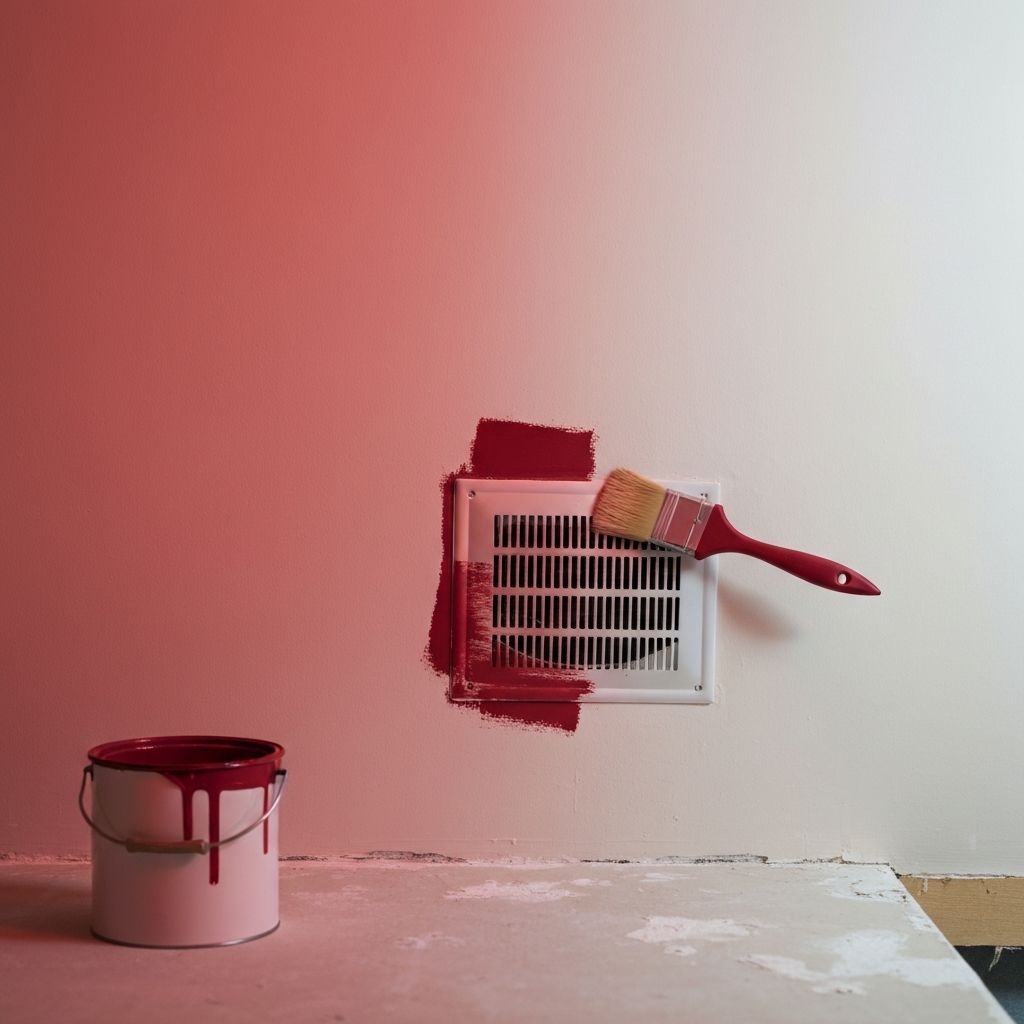
Another common mistake is painting the vent while it is still installed on the wall or ceiling. While this might seem convenient, it usually results in paint drips on the surrounding wall, uneven coverage on the louvers, and overspray that is difficult to clean up. Always remove the vent cover before painting.
Skipping the primer is a mistake that many DIYers make to save time. Without primer, paint will not adhere properly to metal or plastic surfaces and will begin to peel and chip within weeks or months. The few extra minutes spent on priming will save you from having to redo the entire project.
Finally, avoid painting the back side of the vent cover excessively. While a light coat on the back can prevent rust on metal vents, heavy paint on the back side serves no aesthetic purpose and only increases the risk of airflow restriction.
Maintaining Painted Vents
Once your vents are painted and reinstalled, some basic maintenance will keep them looking good for years. Dust your vent covers regularly with a soft cloth or duster to prevent dust buildup that can discolor the paint. For deeper cleaning, wipe the vents with a damp cloth and mild soap, being careful not to scrub aggressively enough to damage the paint.
If the paint becomes chipped or scratched over time, touch-up paint can be applied to small areas without repainting the entire vent. Keep a small amount of your paint and primer stored for touch-ups. For more extensive damage, remove the vent cover and repeat the preparation and painting process as needed.
With the right materials, preparation, and technique, painting your vents is an easy and affordable way to improve the appearance of any room. The results can be surprisingly transformative, turning an eyesore into a design element that complements your decor.
