
Understanding the Nutritional Differences Between Kitten and Adult Cat Food
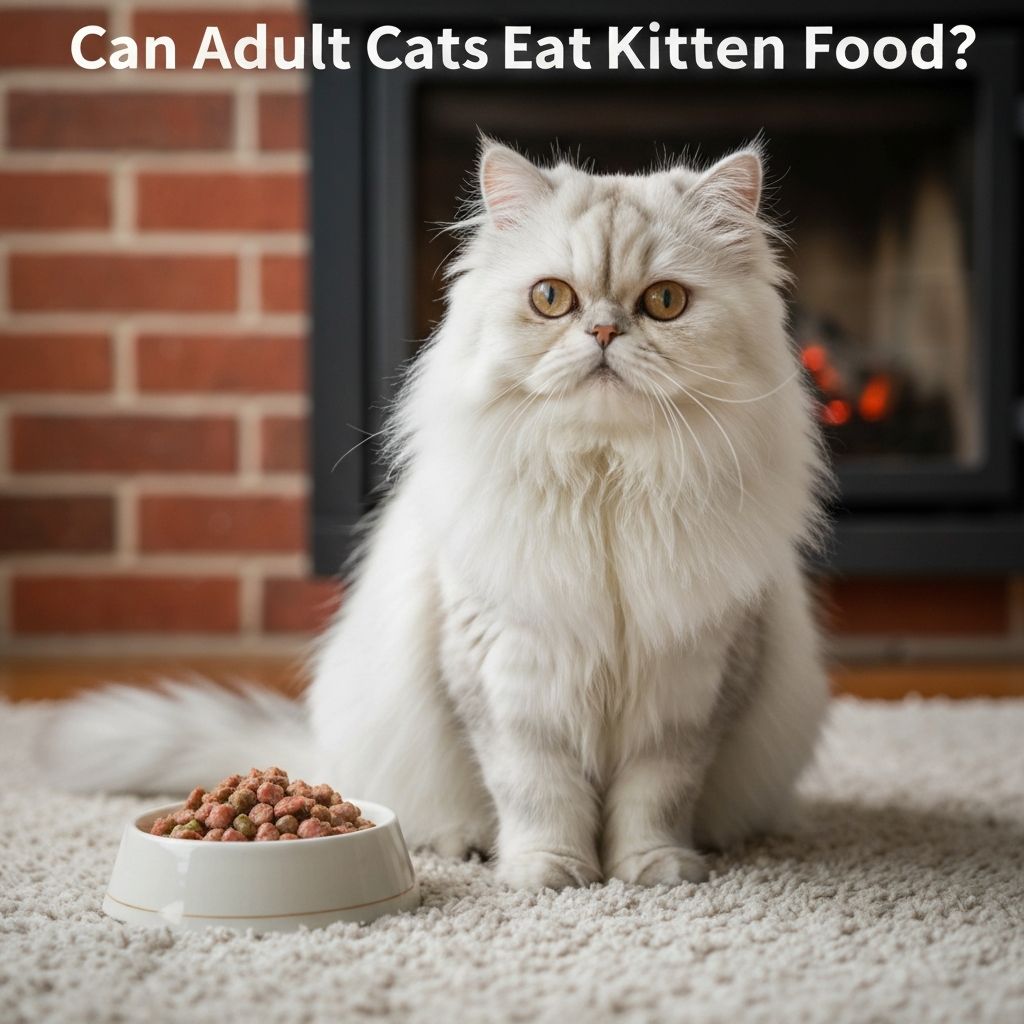
Cat owners often wonder whether it is safe or appropriate to feed kitten food to their adult cats. Whether your adult cat has been sneaking bites from a kitten's bowl or you are considering switching foods, understanding the nutritional differences between kitten food and adult cat food is essential for making informed decisions about your pet's diet. The short answer is that adult cats can eat kitten food without immediate harm, but it should not become a regular part of their diet due to significant nutritional differences.
Kitten food is specifically formulated to support the rapid growth and development that occurs during a cat's first year of life. Kittens have higher energy needs relative to their body size compared to adult cats. As a result, kitten food contains more calories, more protein, and more fat than adult cat food. A typical kitten food contains approximately 30 to 40 percent protein and 18 to 25 percent fat, while standard adult cat food contains approximately 25 to 30 percent protein and 10 to 15 percent fat.
Beyond the macronutrient differences, kitten food contains higher levels of certain vitamins and minerals essential for growth, including calcium, phosphorus, and DHA (docosahexaenoic acid), an omega-3 fatty acid important for brain and eye development. These elevated nutrient levels are perfectly suited for a growing kitten but can be excessive for an adult cat with different nutritional requirements. Understanding these differences is key to determining when kitten food might be appropriate for an adult cat and when it should be avoided.
When It Is Okay to Feed Kitten Food to Adult Cats
There are several situations where feeding kitten food to an adult cat is not only acceptable but may actually be beneficial. One of the most common scenarios is when an adult cat is underweight or recovering from illness. Kitten food's higher calorie and protein content can help underweight cats gain weight more quickly than standard adult food. Veterinarians sometimes recommend kitten food as a temporary dietary solution for cats that need to put on weight or rebuild muscle mass after illness, surgery, or a period of malnutrition.
Pregnant and nursing cats are another group that can benefit from kitten food. During pregnancy, a cat's nutritional needs increase significantly, and the demands of nursing can be even more intensive. The higher calorie, protein, and fat content of kitten food helps meet these increased nutritional needs, ensuring the mother cat has enough energy and nutrients to support both herself and her developing or nursing kittens. Most veterinarians recommend transitioning a pregnant cat to kitten food during the later stages of pregnancy and continuing through the nursing period.
Senior cats with decreased appetite may also benefit from occasional kitten food. As cats age, some develop finicky eating habits or reduced interest in food. Kitten food often has a stronger aroma and richer flavor that can be more appealing to cats with diminished sense of smell or taste. Offering small amounts of kitten food can help ensure that senior cats with poor appetites are still consuming adequate calories and nutrients. However, this should be done under veterinary guidance, especially for senior cats with existing health conditions.
Potential Health Concerns of Feeding Kitten Food to Adult Cats
While occasional consumption of kitten food will not harm a healthy adult cat, regular or long-term feeding can lead to several health problems. The most significant concern is obesity. Kitten food contains substantially more calories per serving than adult cat food, and adult cats have lower energy needs than growing kittens. Feeding an adult cat kitten food on a regular basis can lead to excessive calorie intake, weight gain, and eventually obesity, which is one of the most common health problems in domestic cats.
Obesity in cats is not merely a cosmetic issue. It significantly increases the risk of diabetes mellitus, joint problems, heart disease, respiratory issues, and hepatic lipidosis (fatty liver disease). Overweight cats also tend to have shorter lifespans and reduced quality of life compared to cats maintained at a healthy weight. Given that the majority of pet cats in the United States are already overweight or obese, adding extra calories through kitten food is generally counterproductive for most adult cats.
The elevated mineral content in kitten food can also be problematic for certain adult cats. Higher levels of calcium and phosphorus can contribute to the formation of urinary crystals and stones in some cats, particularly those already predisposed to urinary tract issues. Male cats, who have narrower urethras, are especially vulnerable to urinary blockages caused by mineral crystals. For cats with a history of urinary problems, feeding kitten food could exacerbate these conditions and lead to potentially life-threatening blockages.
Multi-Cat Households: Managing Different Dietary Needs
One of the most common reasons adult cats end up eating kitten food is in multi-cat households where kittens and adult cats live together. When food bowls are shared or left out for free feeding, adult cats will inevitably sample the kitten food, and kittens may eat the adult food. Managing different dietary needs in a multi-cat household requires some planning and strategy, but it is entirely achievable.
The most effective approach is to feed cats separately. This can mean feeding in different rooms with doors closed, using microchip-activated feeders that only open for the designated cat, or supervising mealtimes to ensure each cat eats from their own bowl. Microchip feeders are particularly convenient because they allow cats to eat at their own pace throughout the day while ensuring each cat only has access to their specific food. These feeders can be an excellent investment for households with cats on different diets.
If completely separate feeding is not practical, consider using an all-life-stages cat food as a compromise. These formulas are designed to meet the nutritional needs of cats at any age, from kittens to seniors. While they may not be perfectly optimized for any single life stage, they provide adequate nutrition for all cats in the household and eliminate the concern about cats eating the wrong food. Consult your veterinarian to determine if an all-life-stages formula is appropriate for your specific cats.
How to Transition Between Kitten and Adult Cat Food
When it is time to switch your cat from kitten food to adult food, typically around 12 months of age for most breeds, a gradual transition is essential. Abruptly changing a cat's food can cause gastrointestinal upset, including vomiting, diarrhea, and decreased appetite. A proper transition should take place over seven to ten days, gradually increasing the proportion of new food while decreasing the old food.
Start by mixing approximately 25 percent adult food with 75 percent kitten food for the first two to three days. Then increase to a 50/50 mix for the next two to three days. Follow this with 75 percent adult food and 25 percent kitten food for another two to three days. Finally, transition to 100 percent adult food. Monitor your cat throughout the transition for any signs of digestive upset, and slow the transition down if any issues arise.
During the transition, pay attention to your cat's body condition and adjust portions accordingly. Adult cat food has fewer calories per serving than kitten food, so the feeding amounts may need to be adjusted to maintain your cat's ideal weight. Your veterinarian can help you determine the appropriate daily calorie intake for your adult cat based on their weight, body condition, activity level, and whether they are spayed or neutered, which affects metabolism.
Choosing the Right Food for Your Adult Cat
Selecting the appropriate food for your adult cat is one of the most important decisions you can make for their long-term health. Look for foods that list a specific animal protein, such as chicken, turkey, salmon, or beef, as the first ingredient. Cats are obligate carnivores, meaning they require animal-based proteins to thrive. Foods with high-quality animal proteins as the primary ingredients provide the essential amino acids, including taurine, that cats need for heart health, vision, and reproduction.
Consider your cat's specific needs when selecting food. Indoor cats generally need fewer calories than outdoor cats and may benefit from formulas designed for indoor cats, which typically have lower calorie content and added fiber to help with hairball management. Cats with sensitive stomachs may do better on limited-ingredient diets, while cats with specific health conditions like kidney disease, diabetes, or urinary issues may need therapeutic diets prescribed by a veterinarian.
Whether you choose dry food, wet food, or a combination of both is largely a matter of preference, both yours and your cat's. Wet food provides additional hydration, which is beneficial for cats who do not drink enough water, and is generally more palatable due to its aroma and texture. Dry food is more convenient for free feeding and can help with dental health to some degree. Many veterinarians recommend a combination of both to provide the benefits of each format while keeping mealtime interesting for your cat.
