
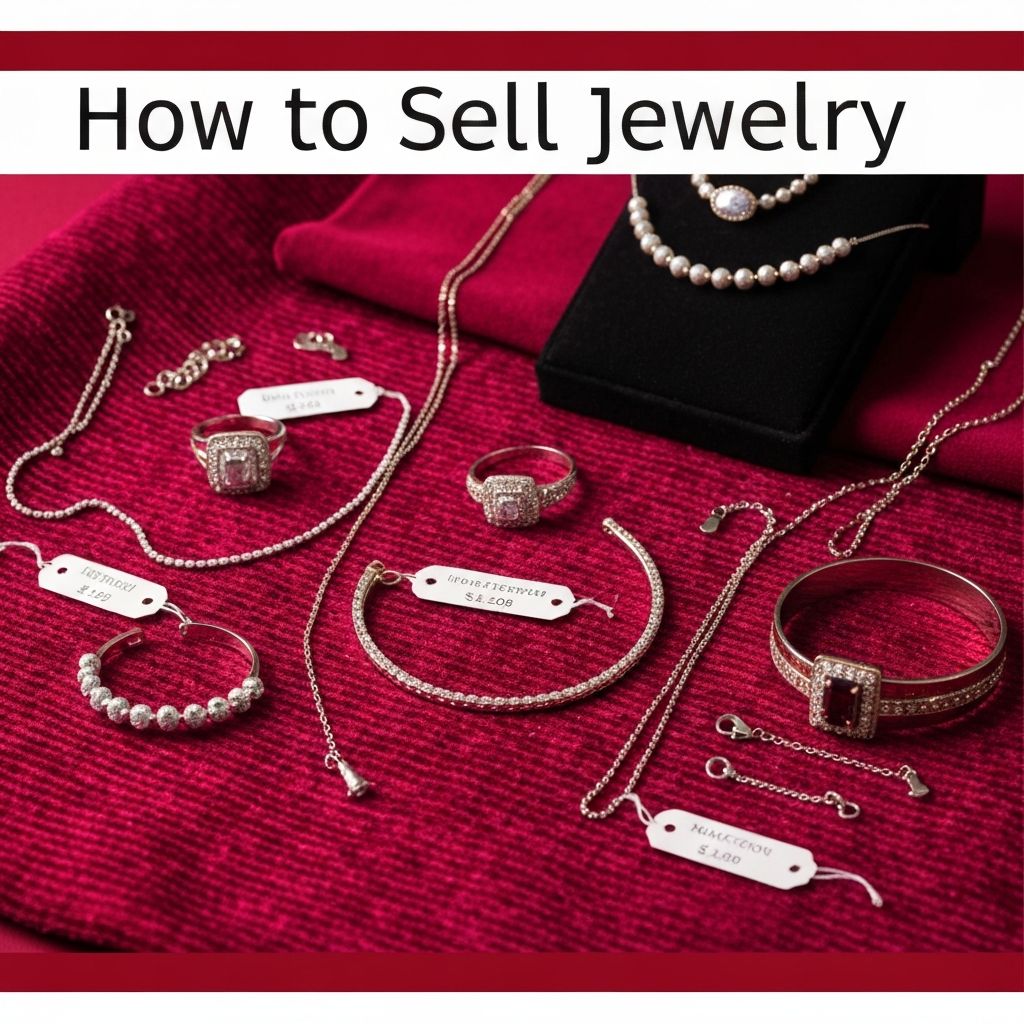
Evaluating Your Jewelry Before Selling
Before you sell any piece of jewelry, understanding its true value is the most important first step. Many people underestimate or overestimate the worth of their jewelry, leading to either missed opportunities or unrealistic expectations. The value of jewelry depends on several factors, including the type and quality of metals, the size and quality of gemstones, the brand or designer, the condition, and current market demand.
Start by examining your pieces closely. Look for hallmarks stamped on the metal, such as 14K, 18K, 925 (sterling silver), or PT950 (platinum). These stamps indicate the purity and type of metal, which directly affects value. For gemstones, factors like carat weight, color, clarity, and cut determine worth. A professional appraisal from a certified gemologist or a reputable jeweler can provide an accurate assessment of your jewelry's value and is well worth the investment, especially for high-value pieces.
Getting a Professional Appraisal
A professional jewelry appraisal provides a documented assessment of your piece's characteristics and market value. Look for appraisers who are certified by recognized organizations such as the Gemological Institute of America (GIA), the American Gem Society (AGS), or the International Society of Appraisers (ISA). These professionals have the training and equipment to accurately evaluate gemstones and metals.
There are different types of appraisals to be aware of. An insurance appraisal typically reflects the replacement cost and may be higher than what you could actually sell the piece for. A fair market value appraisal represents what a willing buyer would pay a willing seller, which is more relevant when you are looking to sell. Expect to pay between 50 and 150 dollars per item for a professional appraisal, depending on the complexity of the piece. This upfront cost can save you from accepting an offer far below your jewelry's actual worth.
Where to Sell Jewelry Online
The internet has opened up numerous channels for selling jewelry, each with its own advantages and considerations. Online marketplaces like eBay provide access to millions of potential buyers worldwide. eBay is particularly effective for branded or designer jewelry, vintage pieces, and estate jewelry. The platform's auction format can sometimes drive prices above initial expectations when multiple buyers compete for a desirable item.
Specialized jewelry platforms such as Worthy, The RealReal, and Vestiaire Collective cater specifically to fine jewelry and luxury goods. These platforms often handle authentication, photography, and marketing, making the selling process more streamlined. Worthy, for example, allows you to send in your jewelry for evaluation and then conducts an online auction among pre-vetted professional buyers. Etsy is an excellent platform for handmade, vintage, or unique artisan jewelry, connecting you with buyers who specifically seek one-of-a-kind pieces.
Selling Jewelry in Person
Local options for selling jewelry include jewelry stores, pawn shops, consignment shops, gold buyers, and estate sales. Each option has distinct pros and cons. Jewelry stores may offer fair prices, especially if they have customers looking for pre-owned pieces, but they also need to maintain a profit margin. Pawn shops typically offer lower prices because they need to resell items at a profit and may not specialize in fine jewelry valuation.
Consignment shops take your jewelry on consignment and sell it on your behalf, typically taking a commission of 20 to 50 percent of the sale price. This option can yield higher final prices because items are displayed to retail customers willing to pay closer to market value. Gold buyers and scrap dealers are best suited for damaged or outdated jewelry that will be melted down for its metal content. They pay based on the weight and purity of the metal, regardless of craftsmanship or design.
Maximizing the Value of Your Jewelry
Presentation matters significantly when selling jewelry. Clean your pieces thoroughly using appropriate methods for the specific metal and gemstone types. Photograph your jewelry in good lighting, preferably natural daylight, against a clean background. Include close-up shots of hallmarks, gemstones, and any unique details. High-quality photographs can dramatically increase buyer interest and final sale prices.
Having documentation and provenance can significantly boost your jewelry's value. Original purchase receipts, certificates of authenticity, GIA diamond grading reports, and brand packaging all add credibility and value. If your piece has historical significance or a notable previous owner, documenting this provenance can substantially increase its appeal to collectors and enthusiasts.
Timing and Market Considerations
The jewelry market is influenced by trends, economic conditions, and seasonal demand. Gold and precious metal prices fluctuate daily based on commodity markets, so timing your sale during a period of high metal prices can increase your return. Diamond prices have their own market dynamics influenced by supply, demand, and industry trends.
Seasonal timing can also affect your success. Selling jewelry before Valentine's Day, during the holiday gift-giving season, or around engagement season in late fall can increase demand and potentially drive higher prices. Conversely, trying to sell during economic downturns or off-peak seasons may result in lower offers. Stay informed about current market conditions and be prepared to wait for the right opportunity if you are not in urgent need of funds.
