
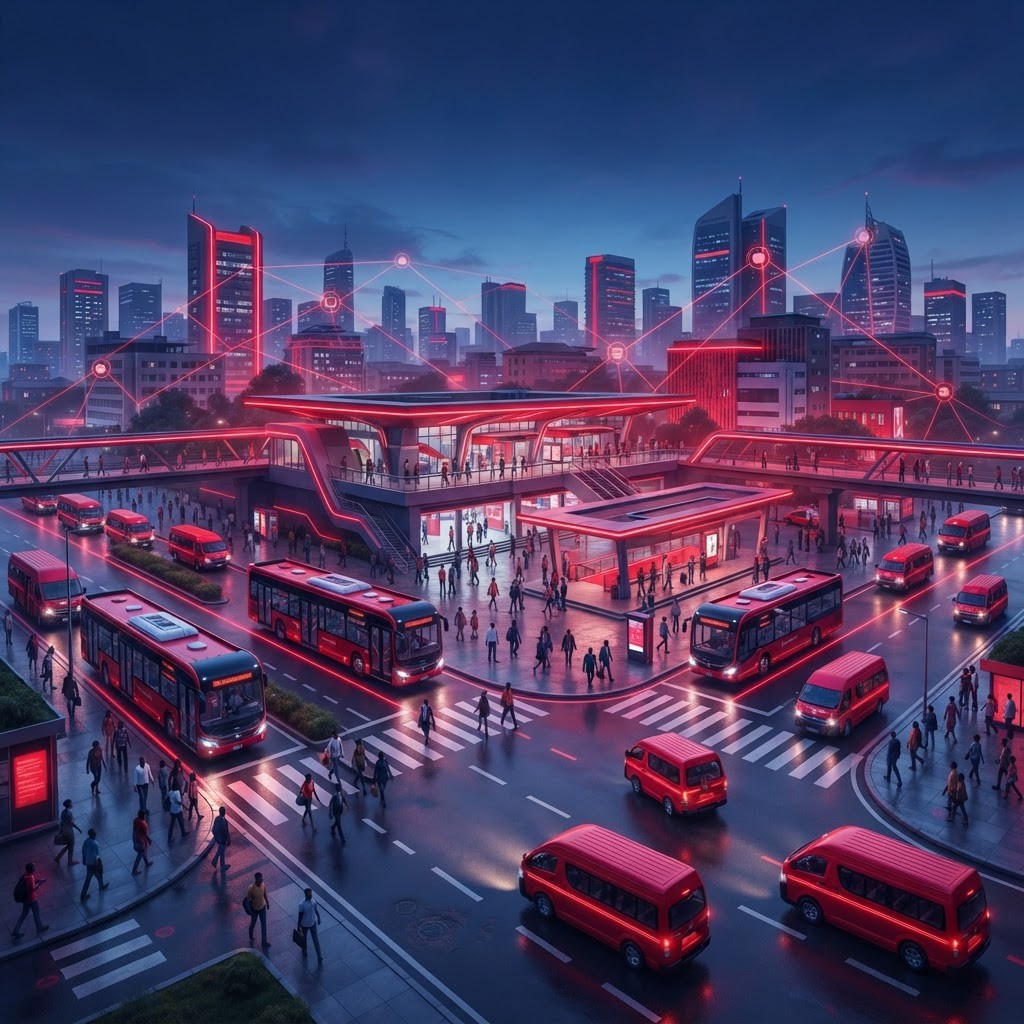
Public Transit as the Backbone of Mobility
Public transit is the lifeline of daily movement in Sierra Leone, carrying students to school, workers to their jobs, and traders to markets across the country. In a nation where private car ownership remains limited, affordable and accessible transit services are essential to economic activity and social connection. From large buses to shared taxis, motorbike taxis, and ferries, a diverse mix of transport modes keeps people moving throughout Freetown and the wider regions.
The public transit ecosystem blends government-operated services with private operators and community-based transport. Together, they form a network that adapts to the country's geography, from the busy streets of the capital to routes linking provincial towns.
Why Reliable Transit Matters
Efficient public transit reduces congestion, lowers travel costs, and connects communities to opportunity. For many residents, reliable transport is the difference between accessing employment, education, and healthcare or being left isolated. The best transit services combine affordability with safety, regular schedules, and reasonable coverage, ensuring commuters can plan their journeys with confidence.
Top 10 Public Transit Services in Sierra Leone
1. Sierra Leone Road Transport Corporation (SLRTC). The national bus operator provides affordable large-capacity bus services across Freetown and intercity routes. As a government-backed institution, it plays a central role in mass transit and connecting major towns.
2. Government Bus Services. Complementing the SLRTC, publicly operated buses serve key urban corridors, offering low-cost travel for commuters. These services are a dependable option for daily journeys within the capital.
3. Poda-Poda Minibus Operators. The iconic shared minibuses, known locally as poda-podas, form the backbone of everyday urban transport. Operated by private drivers along set routes, they offer frequent, affordable service throughout Freetown and beyond.
4. Shared Taxi Networks. Shared taxis operate along fixed routes, picking up multiple passengers heading in the same direction. They provide a faster, more flexible alternative to buses for many city commuters.
5. Okada Motorbike Taxis. Motorbike taxis, called okadas, are prized for their ability to navigate congestion and reach areas larger vehicles cannot. They offer quick point-to-point travel and are especially popular for short trips.
6. Keke Tricycle Services. Three-wheeled tricycles have become a growing feature of urban and suburban transport. They bridge the gap between motorbikes and taxis, offering a comfortable ride for short to medium distances.
7. Freetown Ferry Services. Ferries connecting Freetown to the Lungi area and coastal points provide an important water-based transit option. They ease travel to the airport and offer scenic, congestion-free journeys across the estuary.
8. Waka Fine Bus. A modern bus initiative aimed at improving urban transit quality, Waka Fine focuses on organized routes and reliable service. It represents efforts to modernize and formalize public transport in the capital.
9. Intercity Coach Operators. Private coach companies link Freetown with regional hubs such as Bo, Kenema, and Makeni. They offer longer-distance travel with greater comfort for passengers journeying between provinces.
10. Community Transport Cooperatives. In rural and peri-urban areas, community-organized transport groups provide vital connectivity. These cooperatives fill gaps in coverage, ensuring even remote communities have access to essential mobility.
Trends Shaping Public Transit
Efforts to modernize and formalize transit are gaining momentum in Sierra Leone. Initiatives to introduce organized bus routes, improve vehicle standards, and enhance passenger safety reflect a broader push toward a more structured system. Digital fare collection and route information are gradually emerging, promising greater convenience for commuters.
Sustainability is also entering the conversation, with interest in cleaner vehicles and reduced congestion. As urban populations grow, investment in transit infrastructure and coordination among operators will be key to meeting rising demand efficiently.
Navigating the Transit Network
For residents and visitors alike, understanding the strengths of each mode helps in planning journeys. Buses offer the most affordable long-distance travel, poda-podas and shared taxis provide frequent urban service, and okadas deliver speed for short trips. Ferries add a valuable water route, while intercity coaches serve provincial travel. Choosing the right option depends on distance, budget, and urgency.
Conclusion
Public transit in Sierra Leone is a dynamic blend of buses, minibuses, taxis, motorbikes, and ferries that together keep the nation moving. The services highlighted here reflect the ingenuity and resilience of a transport system serving millions daily. As modernization efforts advance, public transit will continue to evolve, strengthening the connections that power the country's economy and communities.
