
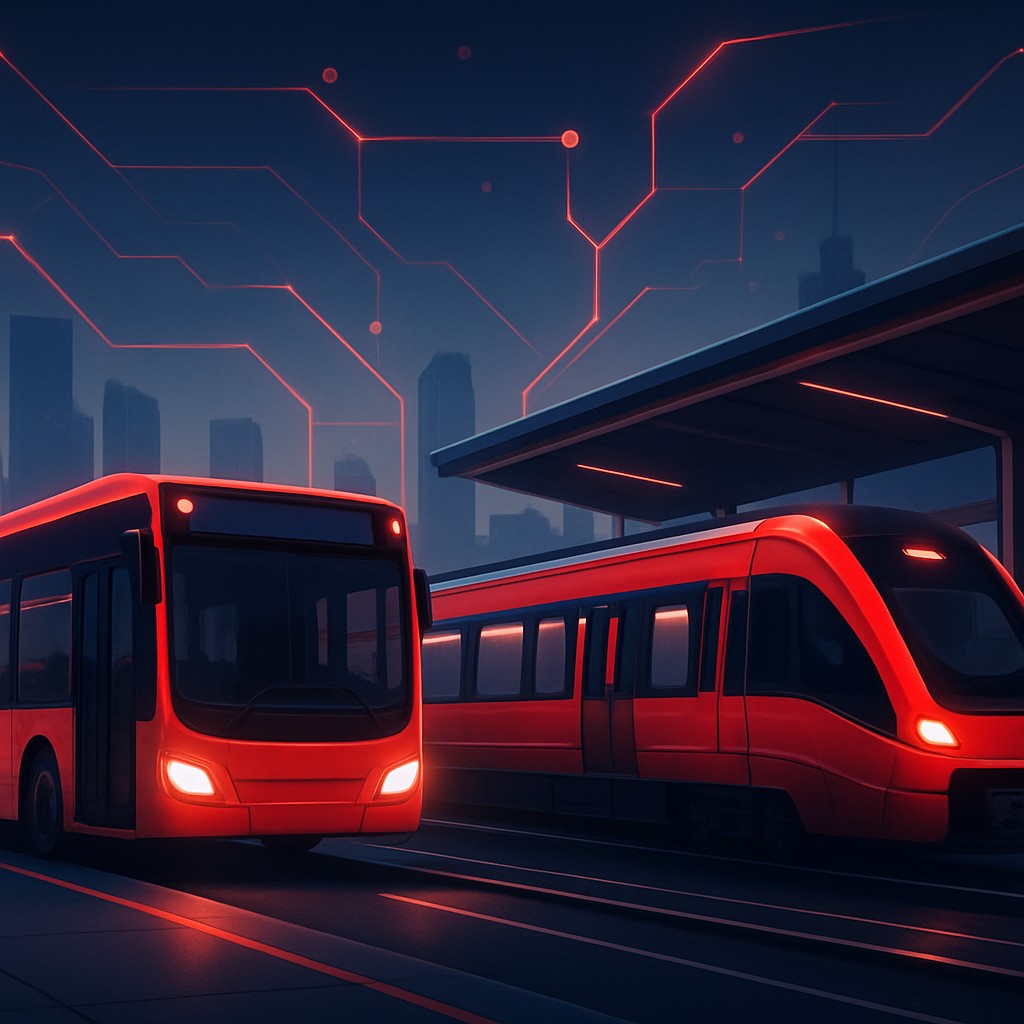
Connecting Senegal's Cities and Communities
Public transit is the lifeblood of urban mobility in Senegal, moving millions of people every day across the densely populated streets of Dakar and beyond. From modern bus networks and the cutting-edge Regional Express Train to the colorful, iconic minibuses that have become cultural symbols, public transit services form a diverse and vital ecosystem. These services enable citizens to access work, education, healthcare, and commerce, supporting both daily life and economic activity.
As Senegal's cities grow, the demand for efficient, affordable, and reliable public transit continues to rise. The best transit services balance accessibility, coverage, and comfort, helping to ease congestion and connect communities across the country.
The Diverse Landscape of Public Transit
Senegal's public transit system is notably diverse, encompassing several modes of transport. Formal bus services, operated by established public transport providers, offer structured routes and schedules across urban and intercity corridors. The Regional Express Train has introduced modern rail commuting, dramatically improving connectivity between Dakar and its suburbs.
Alongside these formal services, informal transport plays a major role. The famous car rapides and Ndiaga Ndiaye minibuses, instantly recognizable by their vibrant colors, have long been a staple of Senegalese urban life. Shared taxis and motorcycle taxis further expand the options available to commuters, offering flexibility and reach.
Modern Transit Solutions
Senegal has made significant strides in modernizing its public transit. The Dakar Dem Dikk bus network provides organized urban and intercity services with a recognizable fleet and structured routes. The introduction of the Regional Express Train marked a major leap forward, offering fast, comfortable, and reliable rail commuting that has transformed travel for many residents.
Bus Rapid Transit initiatives are also being developed to enhance urban mobility, providing dedicated lanes and efficient services to reduce congestion. These modern solutions reflect Senegal's commitment to improving public transport and meeting the needs of a growing urban population.
The Role of Informal Transport
Despite modernization, informal transport remains essential in Senegal. The car rapides and minibuses serve routes and areas that formal services may not fully cover, providing affordable and accessible mobility for many citizens. These vehicles are deeply woven into the cultural fabric of Senegalese cities.
Shared taxis and motorcycle taxis offer additional flexibility, filling gaps in the transit network and providing convenient options for short trips. Together, formal and informal services create a comprehensive transit ecosystem that meets diverse mobility needs.
What Makes Quality Public Transit
Quality public transit is defined by accessibility, reliability, affordability, and safety. Services that offer broad coverage, frequent schedules, and reasonable fares provide the greatest value to commuters. Comfort and cleanliness enhance the passenger experience, while safety measures protect riders.
Modern transit services increasingly incorporate technology, such as digital ticketing and real-time tracking, to improve convenience and efficiency. Services that prioritize these factors deliver superior experiences and encourage greater use of public transport.
Challenges and Future Development
Senegal's public transit sector faces challenges including congestion, the integration of formal and informal services, and the need for continued investment. However, ongoing projects such as rail expansion and bus rapid transit initiatives are addressing these issues and improving urban mobility.
Investment in modern infrastructure, cleaner vehicles, and integrated transit systems promises to enhance the quality and sustainability of public transport. As these developments progress, Senegal's transit services will become more efficient, accessible, and environmentally friendly.
Looking Toward the Future
The future of public transit in Senegal is one of modernization and integration. By combining the reliability of formal services with the flexibility of informal transport, and embracing modern solutions like rail and bus rapid transit, Senegal is building a transit system fit for its growing cities. These services will continue to play a vital role in connecting communities, supporting economic growth, and improving the quality of life for millions of citizens.
