
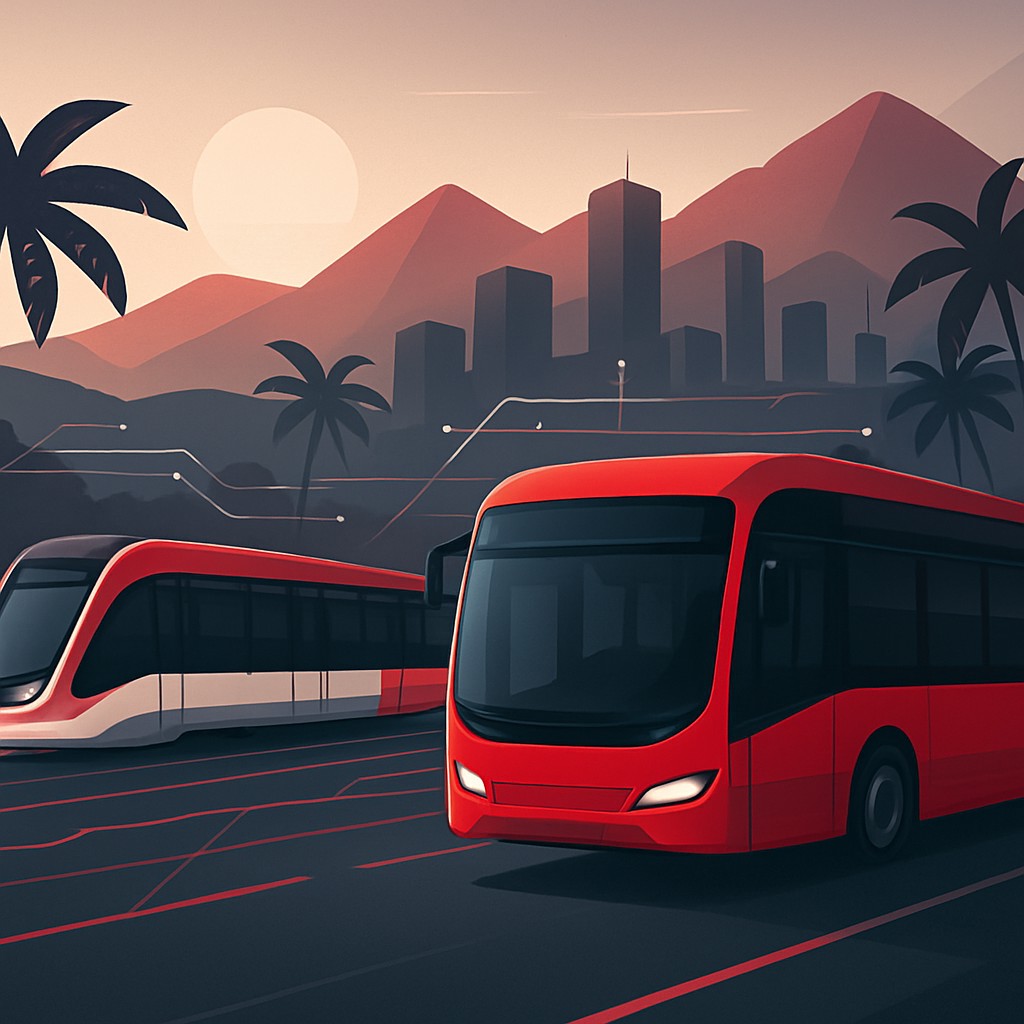
Understanding Public Transit in Papua New Guinea
Public transit in Papua New Guinea plays a central role in connecting people across one of the world's most geographically diverse nations. With rugged highlands, scattered islands, and rapidly growing urban centres such as Port Moresby and Lae, dependable transport services are essential for daily commuting, commerce, and community life. The sector is dominated by Public Motor Vehicles, commonly known as PMVs, which serve as the backbone of affordable travel for millions of residents.
Over the past decade, the demand for safer, more reliable, and better-organised transit options has grown significantly. Operators across the country are responding with improved fleets, structured route systems, and a stronger focus on passenger safety and comfort.
What Defines a Great Transit Service
The best transit providers in Papua New Guinea share several key qualities. Reliability is paramount, as commuters depend on consistent schedules to reach workplaces, markets, and schools. Safety standards, including roadworthy vehicles and trained drivers, are increasingly valued by passengers. Affordability remains a defining factor, ensuring that transport stays accessible to families and workers across income levels.
Coverage is another differentiator. Leading operators connect not only major city routes but also link urban hubs to surrounding settlements and rural districts, supporting economic inclusion for remote communities.
The Top Transit Operators Shaping Mobility
The PMV network forms the foundation of public transport nationwide, with cooperatives and independent operators running buses and minivans along established city corridors. In Port Moresby, organised PMV associations have worked to standardise fares and improve route discipline, making city travel more predictable for daily commuters.
Lae, as the industrial gateway of the country, hosts robust transit operations that move workers between residential suburbs and commercial zones. These services are vital to the logistics and manufacturing activity centred around the port city.
In the Highlands region, transit operators navigate challenging terrain to connect towns such as Mount Hagen, Goroka, and Kundiawa. These services are particularly important for farmers and traders transporting goods to market, reinforcing the link between transport and rural livelihoods.
Coastal and island communities rely on a combination of road-based PMVs and ferry connections. Maritime transit providers offer crucial links between New Britain, New Ireland, and the mainland, while informal boat operators serve smaller island populations.
Innovation and Modernisation Trends
The transit sector is gradually embracing modernisation. Some operators are investing in newer, more fuel-efficient vehicles to reduce breakdowns and improve passenger experience. There is growing interest in digital fare systems and mobile-based scheduling, particularly in urban centres where smartphone usage continues to rise.
Government and private partnerships are also exploring structured bus services with designated stops and timetables, aiming to bring greater order to the traditionally flexible PMV model. These initiatives reflect a broader push toward formalising transport and enhancing accountability.
Challenges Facing the Sector
Despite progress, public transit in Papua New Guinea faces notable challenges. Road infrastructure in many regions remains underdeveloped, with seasonal weather frequently affecting accessibility. Maintaining vehicle quality and ensuring driver professionalism are ongoing priorities for operators committed to raising standards.
Security and passenger safety also remain important considerations, prompting many providers to focus on trusted routes, reliable drivers, and community engagement to build rider confidence.
The Economic and Social Impact
Public transit is more than a convenience in Papua New Guinea; it is an engine of economic participation. Reliable transport enables workers to access employment, allows students to attend schools and universities, and helps small traders reach customers. By bridging distances, transit services strengthen social connections and support the flow of goods and services across the country.
The sector also creates significant employment, from drivers and conductors to mechanics and route coordinators, contributing meaningfully to local economies.
Choosing the Right Transit Service
For residents and visitors alike, selecting a dependable transit option involves considering route coverage, vehicle condition, and the operator's reputation for reliability and safety. Established PMV associations and recognised operators in major cities generally offer the most consistent experience.
As Papua New Guinea continues to urbanise and invest in infrastructure, the public transit landscape is poised for steady improvement. Operators that prioritise safety, reliability, and customer service are well positioned to lead the next chapter of mobility in the nation.
Industry Insights and Future Outlook
The public transit sector in Papua New Guinea is closely tied to broader national development goals. As road networks expand and urban populations grow, the need for organised, accountable transport systems becomes more pressing. Industry observers note that the gradual shift from informal operations toward structured services reflects a maturing market that increasingly values professionalism and passenger experience.
Sustainability is also emerging as a consideration, with interest in fuel efficiency and cleaner vehicles slowly gaining ground. Operators that combine modern fleet management with strong community relationships are likely to define the standard for the future. For commuters, this evolution promises safer journeys, more predictable schedules, and improved access to economic and social opportunities across both urban and rural areas. The continued collaboration between government bodies, private operators, and local communities will be central to building a transit network that serves the diverse needs of the nation effectively.
Conclusion
The best public transit services in Papua New Guinea are defined by their commitment to keeping communities connected across diverse and demanding terrain. From the busy streets of Port Moresby to the highland routes and island ferries, these operators provide an indispensable service. As modernisation efforts accelerate, the future of public transport in the country looks increasingly organised, accessible, and resilient.
