
Mobility in the Dominican Republic
The Dominican Republic has experienced rapid urban growth over the past decade, and with it a rising demand for reliable, affordable public transportation. From the bustling streets of Santo Domingo to the tourist corridors of Punta Cana and Puerto Plata, public transit plays a central role in daily life. Commuters depend on a mix of metro lines, cable cars, organized bus routes, and shared transport to reach work, school, and markets. Understanding the leading operators helps residents and visitors navigate the country with confidence.
What Makes a Great Transit Service
The best public transit services share several defining qualities: punctuality, affordability, safety, and broad route coverage. Modern operators invest in cleaner fleets, contactless payment systems, and real-time scheduling to improve the rider experience. Accessibility for elderly passengers and people with disabilities has also become an important differentiator, as has integration between different modes of transport. These factors separate dependable networks from informal services.
Top Public Transit Providers
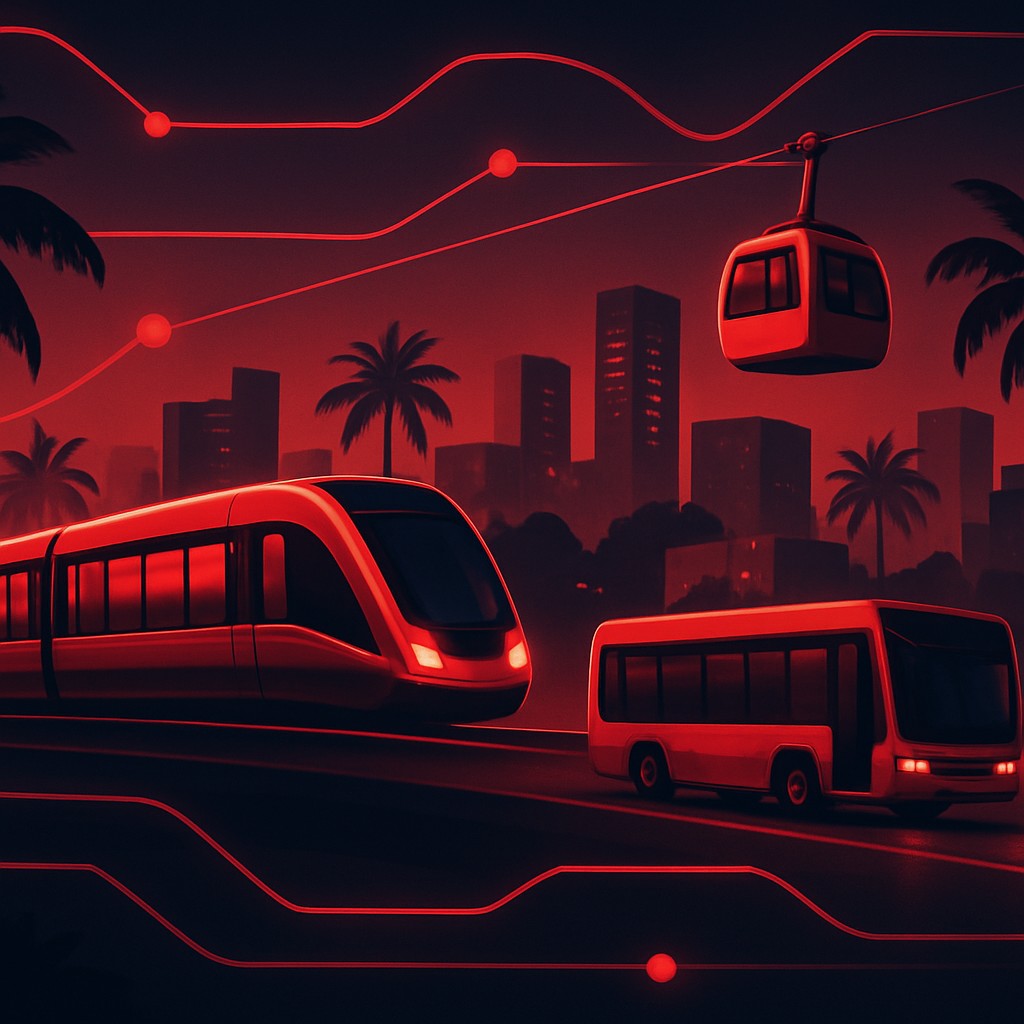
The Oficina para el Reordenamiento del Transporte (OPRET) operates the Santo Domingo Metro, the backbone of urban mobility in the capital. With two main lines connecting key neighborhoods, the metro moves hundreds of thousands of passengers daily in clean, air-conditioned comfort. OPRET also manages the Teleferico cable car system, which links previously underserved communities to the wider transit network.
OMSA, the Metropolitan Bus Service Office, runs an extensive fleet of public buses across Santo Domingo and surrounding areas. Known for affordable fares and expanding routes, OMSA serves commuters who travel beyond metro coverage. Metro Servicios Turisticos provides intercity coach travel, connecting major cities with comfortable, scheduled departures favored by both locals and travelers.
Caribe Tours is another respected intercity operator, recognized for its punctual long-distance routes and modern terminals. Expreso Bavaro specializes in routes toward the eastern resort regions, offering dependable connections for workers and tourists alike. These established companies anchor the formal transit landscape.
Emerging and Specialized Operators
Beyond the major players, several services fill important gaps. Sichoem and other organized concho cooperatives provide shared-ride coverage along fixed urban corridors, offering frequent departures at low cost. Aptpra-affiliated operators help coordinate provincial routes, while regional bus unions maintain connections to rural communities that larger companies do not reach. Tourist-focused shuttle providers near Punta Cana add airport transfers and resort connections that complement the broader system.
Trends Shaping the Industry
The Dominican transit sector is modernizing quickly. Electric and hybrid buses are being introduced to reduce emissions and operating costs, while digital ticketing and mobile apps are improving convenience. Government investment in expanding metro lines and cable car routes signals a long-term commitment to mass transit. There is also growing emphasis on integrating informal services into regulated frameworks to improve safety and reliability for all passengers.
Benefits for Residents and Visitors
Reliable public transit reduces traffic congestion, lowers transportation costs, and connects communities to economic opportunity. For tourists, well-organized intercity coaches and metro access make exploring the country easier and more affordable. As the network grows, residents benefit from shorter commutes and greater access to jobs, education, and healthcare. The combined effect strengthens both quality of life and economic productivity.
Choosing the Right Service
Selecting the best transit option depends on your destination and priorities. For fast urban travel in the capital, the metro is unmatched. For intercity journeys, established coach operators like Caribe Tours and Metro Servicios Turisticos offer comfort and reliability. Budget-conscious commuters may prefer OMSA buses or organized shared rides. By understanding the strengths of each provider, passengers can plan smarter, safer journeys throughout the Dominican Republic.
Conclusion
The Dominican Republic's public transit landscape blends modern infrastructure with established intercity networks and community-driven services. As investment continues and operators adopt cleaner, smarter technology, the country is steadily building a more connected and accessible transportation future for everyone who calls it home or comes to visit.
