
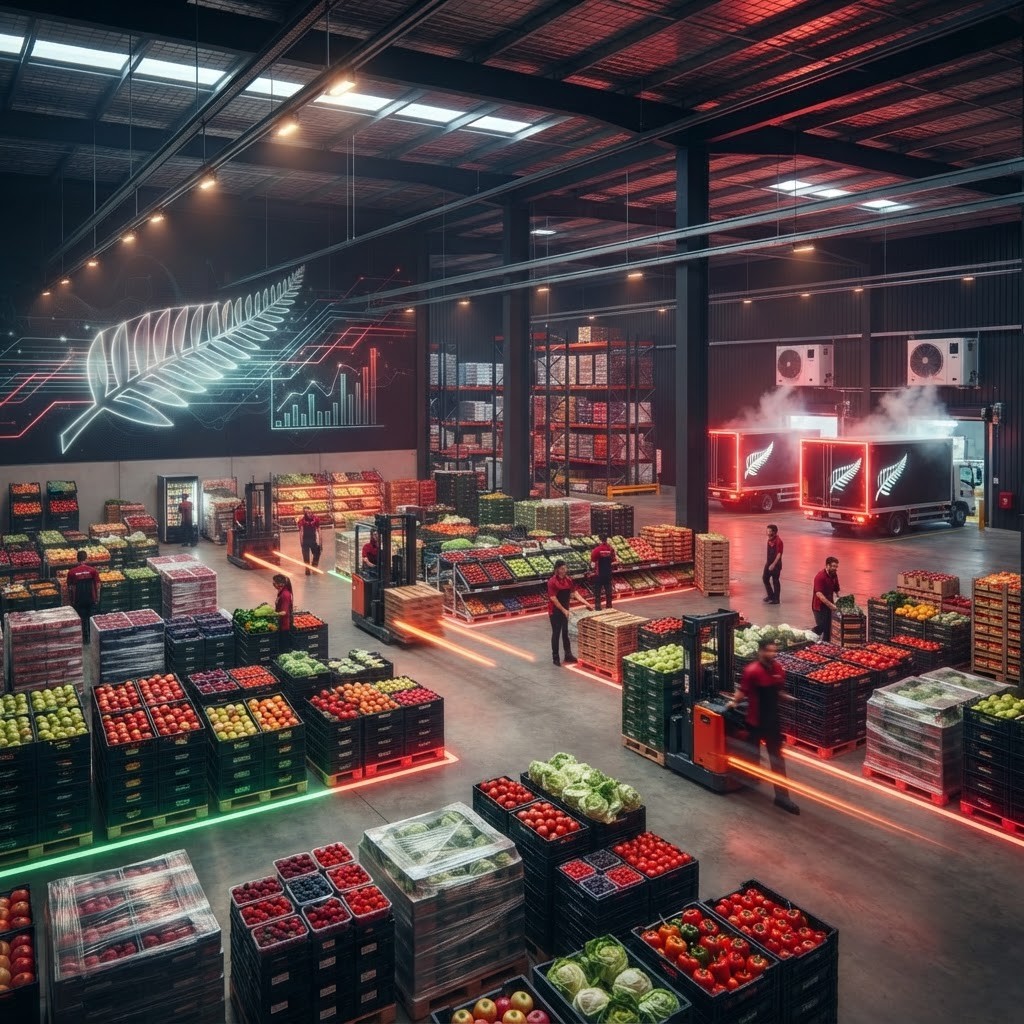
Feeding the Nation Behind the Scenes
Food wholesalers occupy a critical position in New Zealand's food supply chain, connecting producers and manufacturers with the restaurants, cafes, caterers, supermarkets, and independent grocers that serve consumers every day. Their work ensures that fresh produce, meat, seafood, dairy, dry goods, and specialty ingredients reach kitchens and shelves reliably and in excellent condition.
New Zealand's reputation for high-quality food is world-renowned, and this extends into the wholesale sector. Distributors work closely with local farmers, growers, and producers to bring premium ingredients to market, while also importing specialty products that expand the culinary options available to businesses and consumers alike.
The Complexity of Food Distribution
Food wholesaling is among the most logistically demanding industries. Perishable goods require carefully managed cold chains, precise timing, and strict adherence to food safety regulations. The best wholesalers invest heavily in refrigerated warehousing, temperature-controlled transport, and rigorous quality assurance to maintain freshness and safety from source to customer.
Beyond logistics, successful food wholesalers offer valuable support to their customers. This can include menu planning assistance, product education, and flexible ordering systems that help food-service operators manage costs and reduce waste in an industry with famously tight margins.
Ten Leading Food Wholesalers
1. Bidfood New Zealand is one of the country's largest food-service distributors, supplying an enormous range of products to restaurants, hotels, and institutions. Its national footprint and comprehensive catalogue make it a cornerstone of the industry.
2. Gilmours serves the trade and food-service sector with a wholesale model catering to businesses of all sizes. Its wide range and accessible outlets make it a popular choice for hospitality operators.
3. Service Foods is a family-owned distributor known for quality and personal service. It supplies a broad selection of fresh, frozen, and dry goods to the food-service market nationwide.
4. Trents Wholesale operates primarily in the South Island, offering members and trade customers extensive grocery and food-service ranges backed by strong regional presence.
5. Toops specialises in dry goods, baking ingredients, and pantry staples, serving both retail and food-service customers with a focus on value and reliability.
6. Southern Hospitality complements food supply with catering equipment and consumables, providing a one-stop solution for hospitality businesses.
7. Leader Products and specialty meat wholesalers supply premium cuts and processed meats to restaurants and butchers, upholding New Zealand's strong reputation for quality protein.
8. Ceres Organics leads in the organic and natural foods segment, distributing certified organic products to health-focused retailers and food-service operators.
9. Sabato and specialty importers bring gourmet and international ingredients to the market, enabling chefs and delis to offer distinctive, high-end products.
10. Fresh produce wholesalers operating from markets such as those in Auckland connect growers with buyers daily, ensuring a constant flow of seasonal fruit and vegetables into the food economy.
Trends Transforming Food Wholesale
Sustainability and local sourcing are increasingly influential. Many wholesalers are prioritising New Zealand-grown produce, reducing food miles, and supporting local producers. Efforts to minimise food waste, including donation programmes and improved demand forecasting, are also gaining momentum.
Technology is reshaping the sector as well. Online ordering platforms, real-time inventory tracking, and data-driven logistics are improving efficiency and giving customers greater convenience and transparency in their purchasing.
Supporting Local Producers and Communities
One of the defining features of New Zealand's food wholesale sector is its close relationship with the country's renowned primary producers. Many wholesalers pride themselves on partnering with local farmers, growers, fishers, and artisan makers, helping bring their products to a wider market. This support strengthens regional economies and gives food-service operators access to fresh, seasonal, and distinctly New Zealand ingredients that resonate with diners increasingly interested in provenance and quality.
These relationships also enhance supply resilience. By maintaining diverse networks of domestic suppliers, wholesalers can adapt when particular products are affected by weather, seasonality, or global disruption. The emphasis on local sourcing reduces reliance on imports for many categories and shortens supply chains, which benefits both freshness and sustainability. It also allows wholesalers to tell a compelling story about where food comes from, a narrative that carries growing weight with consumers.
Community engagement extends beyond commerce. Many food wholesalers participate in surplus-food donation initiatives, working with charities to redirect edible products that would otherwise go to waste. These programmes address food insecurity while reducing environmental impact, reflecting a sense of social responsibility that has become an important part of the industry's identity and reputation.
Choosing a Food Wholesale Partner
For food-service operators and retailers, selecting a wholesaler is a decision that directly affects quality, cost, and customer satisfaction. Key considerations include product freshness, delivery reliability, range breadth, pricing, and food safety standards. A wholesaler that consistently delivers quality and communicates well becomes an indispensable part of a successful food business.
The distributors profiled here exemplify the strength of New Zealand's food wholesale industry. Through their commitment to quality, safety, and service, they play an essential, if often unseen, role in nourishing communities and supporting the vibrant hospitality and retail sectors across the country.
