
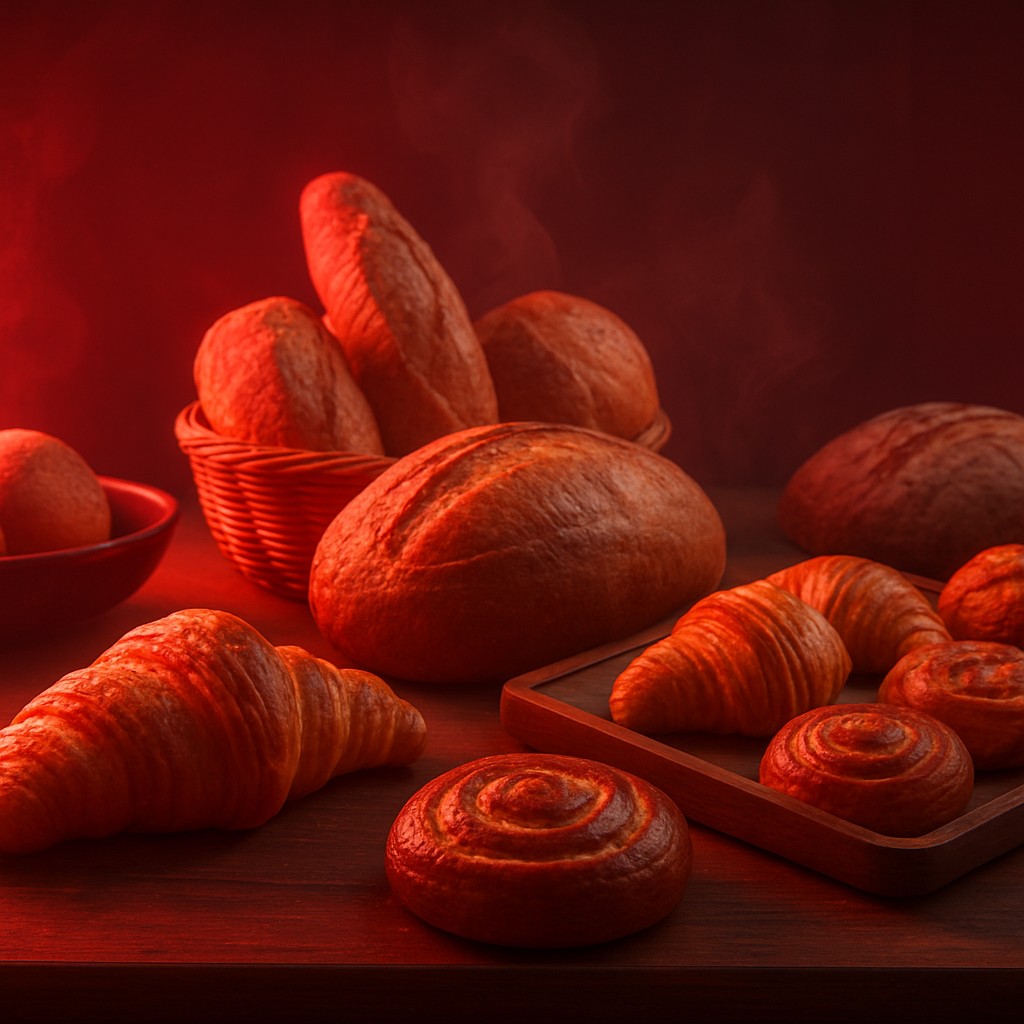
A Nation That Loves Its Bread
Baking is woven deeply into Ecuadorian daily life. Mornings often begin with a warm roll and a cup of locally grown coffee, while afternoons call for sweet treats shared among family and friends. The country's bakeries, known affectionately as panaderias and pastelerias, range from humble neighborhood ovens that have served generations to refined patisseries showcasing European techniques. Together they form a vibrant culinary tradition that celebrates both regional ingredients and global influences.
Ecuador's geography enriches this tradition. Highland communities favor hearty breads made with local grains, coastal cities embrace tropical fruits and coconut, and Amazonian regions contribute unique flavors drawn from native produce. The result is a bakery culture that is at once familiar and wonderfully diverse.
What Makes an Exceptional Bakery
The best bakeries share a few essential qualities. They prioritize fresh, high-quality ingredients and bake throughout the day so customers enjoy bread at its peak. They balance respect for tradition with a willingness to experiment, and they create welcoming spaces where neighbors gather. Consistency, hygiene, and genuine hospitality separate a memorable bakery from an ordinary one.
Ten Bakeries Worth Seeking Out
Cyrano is perhaps the most celebrated artisanal bakery in Quito, renowned for its crusty baguettes, flaky croissants, and beautifully crafted cakes that rival those found in Paris. Its commitment to authentic European technique has made it a national reference point.
Honey & Honey charms visitors with its cozy atmosphere and an extensive selection of pastries, cheesecakes, and breads, becoming a favorite weekend destination in the capital.
El Espanol combines a bakery and delicatessen, offering freshly baked loaves alongside cured meats and cheeses, a beloved one-stop shop for quality provisions.
Panaderia Arenas has built a loyal following in Guayaquil with traditional Ecuadorian breads, from soft enrollados to the cheese-filled pan de yuca that coastal residents adore.
Sweet & Coffee, though known primarily as a cafe chain, bakes a popular range of breads and pastries that have introduced countless Ecuadorians to a relaxed cafe-bakery culture.
La Union is a long-standing institution offering an affordable and reliable assortment of everyday breads, making it a staple for families across several cities.
Crepes & Waffles Bakery delights customers with artisanal breads and desserts crafted with a strong emphasis on natural ingredients and elegant presentation.
Pan de Casa focuses on rustic, home-style loaves and whole-grain options, appealing to health-conscious customers seeking wholesome alternatives.
Dulceria Colonial in Cuenca preserves traditional recipes passed down through generations, specializing in classic Ecuadorian sweets and festive breads.
Baguette Express rounds out the list with a modern, fast-paced approach, delivering freshly baked sandwiches and breads to busy urban professionals.
Signature Flavors of Ecuadorian Baking
Several baked goods define the national palate. Pan de yuca, a chewy cassava-and-cheese bun, is a coastal favorite enjoyed warm. Enrollados and palanquetas appear on highland breakfast tables, while sweet treats such as quesadillas ecuatorianas and humitas reflect Indigenous and colonial influences. Seasonal traditions also shape bakery offerings, with guaguas de pan, bread shaped like small children, appearing each November in a cherished cultural ritual.
Trends Shaping the Industry
Ecuador's bakery scene is evolving alongside changing consumer tastes. Demand for whole-grain, gluten-free, and low-sugar products is rising as health awareness grows. Artisanal sourdough and slow-fermentation breads are gaining popularity among younger urban customers. Many bakeries are also embracing sustainability, sourcing local grains and reducing waste. At the same time, the fusion of international styles with native ingredients continues to produce exciting new creations.
The Community Role of Bakeries
Beyond the food itself, bakeries serve as social anchors in Ecuadorian towns and neighborhoods. They are places where regulars are greeted by name, where celebrations begin with a custom cake, and where the simple act of buying bread becomes a daily ritual of connection. This sense of community is a defining feature of the country's bakery culture and a key reason these establishments remain so cherished.
Craftsmanship Behind the Counter
The artistry of Ecuadorian baking is often invisible to customers but essential to the final product. Skilled bakers rise before dawn to prepare dough, manage fermentation, and time each bake with precision. Many establishments still rely on traditional brick or stone ovens that impart a distinctive flavor and crust, while others have embraced modern equipment to ensure consistency at scale. Behind every counter is a blend of inherited technique and personal pride, passed from master bakers to apprentices over many years.
This dedication to craft is increasingly recognized by a new generation of Ecuadorian consumers who value provenance and quality. Customers now ask about ingredients, fermentation methods, and the origin of the grains used, encouraging bakeries to be more transparent and creative. The result is a flourishing culture in which craftsmanship is celebrated rather than taken for granted.
Pairing Bread with Ecuadorian Coffee
No discussion of Ecuadorian bakeries is complete without mentioning the country's excellent coffee. Many bakeries double as cafes, offering freshly brewed cups sourced from highland farms to accompany their breads and pastries. The pairing of a warm pastry with locally grown coffee has become a cherished daily ritual, drawing customers who linger to enjoy the experience. This synergy between bakery and coffee culture enhances the appeal of these establishments and supports local agriculture at the same time.
Conclusion
Whether you crave a perfectly laminated croissant in Quito or a warm pan de yuca on the coast, Ecuador's bakeries offer something for every taste. The ten featured here represent the craftsmanship, heritage, and warmth that make Ecuadorian baking so special. Visiting them is not only a culinary pleasure but also a window into the country's rich and welcoming food culture.
