
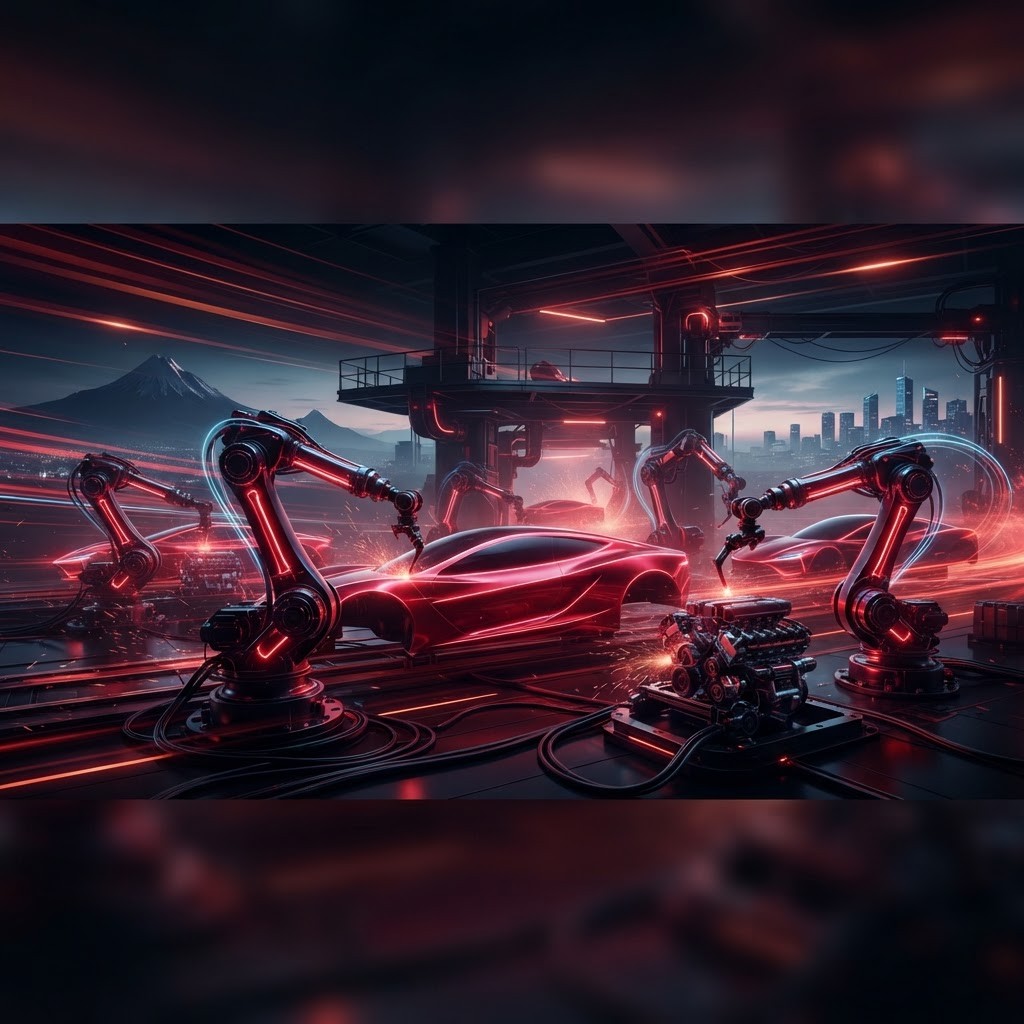
A Specialist Automotive Industry
New Zealand does not build cars on a mass scale the way larger economies do, but it has a vibrant and specialised automotive manufacturing sector. Following the closure of large-scale vehicle assembly decades ago, the industry reinvented itself around niche vehicle building, bus and coach manufacturing, trailers, components, motorsport engineering and, increasingly, electric vehicle technology and conversions. This adaptability has kept the sector relevant and export-focused.
New Zealand engineers are known globally for their ingenuity, and this reputation extends into automotive fabrication and design. Below we profile ten notable companies contributing to automotive manufacturing across the country.
Buses, Coaches and Commercial Vehicles
Kiwi Bus Builders designs and manufactures buses and coaches tailored to New Zealand conditions, supplying public transport operators and tour companies with durable, purpose-built vehicles.
Global Bus Ventures has been a pioneer in low-emission and hydrogen and electric bus technology, positioning itself at the forefront of the transition to cleaner public transport.
Designline earned an international reputation for advanced hybrid and electric bus manufacturing, demonstrating New Zealand's capability in clean commercial vehicle engineering.
Trailers, Bodies and Components
TMC Trailers is one of the country's leading manufacturers of heavy transport trailers, building high-quality units for the freight and logistics industry with a focus on durability and payload efficiency.
Fairfax Industries specialises in vehicle bodies, canopies and fabricated components, serving fleet operators and trade customers with practical, hard-wearing products.
Mills-Tui has a long heritage manufacturing specialist vehicle bodies, including fire appliances and refuse trucks, showcasing custom automotive engineering for demanding applications.
Motorsport, Custom and EV Innovation
Rodin Cars is an ambitious New Zealand venture building extreme high-performance track cars, combining advanced materials, aerodynamics and precision engineering to compete with the world's fastest machines.
Hulme Supercars represents New Zealand's aspiration in the supercar space, honouring the country's motorsport legacy with bespoke high-performance vehicle development.
YikeBike and micro-mobility innovators reflect the sector's move into compact electric transport, with local firms developing lightweight electric vehicles and mobility solutions.
EV conversion specialists across the country are retrofitting classic and commercial vehicles with electric drivetrains, creating a growing niche that blends heritage vehicles with modern zero-emission technology.
Industry Trends
Electrification is the dominant trend reshaping New Zealand's automotive manufacturing. With strong renewable electricity generation, the country is a natural fit for electric buses, commercial vehicles and conversions. Government interest in decarbonising transport has further boosted demand for locally engineered clean vehicle solutions.
Lightweighting, advanced composites and digital design tools are enabling smaller manufacturers to produce sophisticated products efficiently. Meanwhile, the strength of the freight and agriculture sectors sustains steady demand for trailers, bodies and specialist commercial vehicles built to handle New Zealand's rugged terrain and long distances.
Strengths and Challenges
The sector's core strengths lie in customisation, engineering excellence and the ability to build purpose-specific vehicles for local conditions. Its challenges include small production volumes, competition from imported vehicles and components, and the capital intensity of automotive engineering. Companies succeed by focusing on niches where local knowledge, quality and adaptability outweigh the cost advantages of mass overseas production.
A Legacy of Kiwi Ingenuity
New Zealand has long punched above its weight in automotive engineering, a legacy stretching back to legendary designers, drivers and constructors who made their mark on the world motorsport stage. This heritage of hands-on ingenuity, often described as the number eight wire mentality, continues to influence the sector. Small teams routinely tackle ambitious engineering challenges, producing vehicles and components that rival those from far larger operations overseas.
This culture of problem-solving is particularly valuable in specialist manufacturing, where standardised mass-market solutions do not fit. Whether building a fire appliance body, a track-focused hypercar, or a bus tuned for steep and winding routes, New Zealand manufacturers bring creativity and practical engineering to bear, delivering vehicles precisely suited to their intended use.
The Road to Electrification
The transition to electric and low-emission vehicles is opening significant opportunities for New Zealand's automotive sector. With one of the cleanest electricity grids in the world, the country is an ideal environment for electric buses, delivery vehicles and passenger conversions, since the emissions benefits are maximised when the power itself is renewable. Local manufacturers and conversion specialists are developing drivetrains, battery systems and charging solutions tailored to New Zealand conditions and distances.
Public transport operators and fleet owners are increasingly seeking locally engineered clean vehicles, supported by policy incentives aimed at decarbonising transport. This demand is encouraging investment and skills development, positioning the sector to grow its capability in electric and hydrogen mobility over the coming years while retaining its traditional strength in customised, purpose-built vehicles.
Conclusion
New Zealand's automotive manufacturers prove that a country without mass car assembly can still build a thriving, innovative industry. From clean bus pioneers like Global Bus Ventures and Designline to trailer specialists such as TMC and high-performance ventures like Rodin Cars, the sector reflects Kiwi ingenuity and adaptability. As electrification accelerates, these companies are well placed to lead in specialist and clean vehicle manufacturing.
