
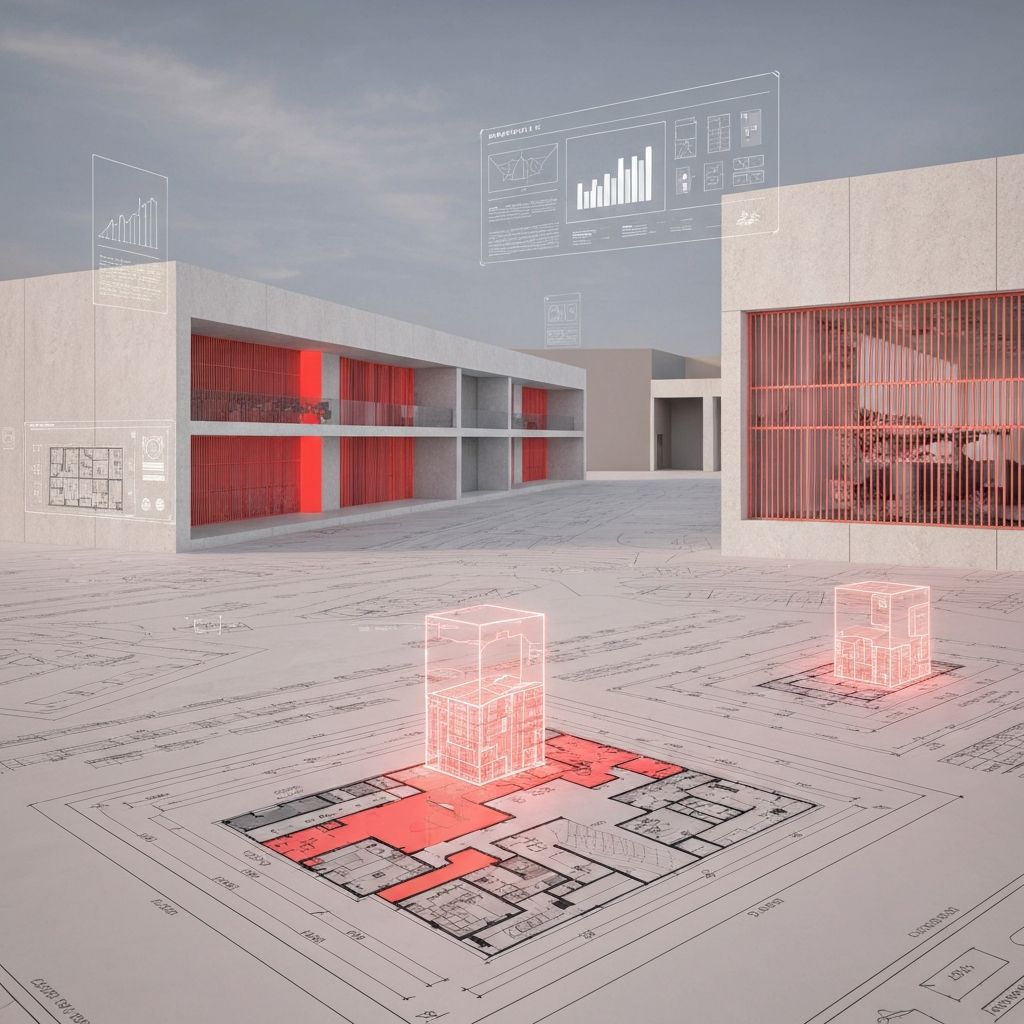
Introduction to Architecture Web Design
Architecture is a visual profession where design excellence speaks louder than words. In an increasingly digital world, architectural firms must translate their physical design prowess into compelling online experiences. Architecture web design presents unique challenges and opportunities, requiring a delicate balance between showcasing visual portfolios and maintaining functional usability that converts visitors into clients.
The website of an architectural firm serves as more than just a digital brochure—it's a testament to the firm's design philosophy and attention to detail. Every element, from typography to whitespace, communicates the firm's aesthetic sensibilities and professional standards. Prospective clients often judge an architect's capabilities based on their website's design, making this investment crucial for business development.
Transform Your Architectural Practice with AAMAX
For architectural firms seeking to make a powerful digital impression, AAMAX.CO offers specialized website design services tailored to the unique needs of the architecture industry. Their team understands that architectural websites must balance visual impact with functional excellence, creating experiences that showcase portfolios while driving business inquiries. They work closely with architectural firms to capture their design ethos and translate it into digital experiences that resonate with potential clients and collaborators.
Visual Portfolio Presentation
The portfolio is the heart of any architecture website. High-resolution imagery must be displayed in ways that honor the scale and detail of architectural projects while maintaining fast loading times. Gallery layouts should allow visitors to explore projects from multiple angles, including exterior shots, interior details, and architectural drawings or renderings.
Interactive elements can enhance portfolio presentations, allowing visitors to zoom into details, view before-and-after comparisons, or explore 360-degree panoramas of completed spaces. These immersive experiences help potential clients visualize the firm's capabilities and imagine similar transformations for their own projects.
Minimalist Design Philosophy
Architecture websites often embrace minimalist design principles that align with contemporary architectural aesthetics. Clean layouts, generous whitespace, and restrained color palettes allow project imagery to take center stage without visual competition. This approach reflects the thoughtful, intentional design process that characterizes quality architectural work.
Typography plays a crucial role in minimalist architecture websites. Carefully selected fonts convey professionalism and sophistication while ensuring readability across devices. Headlines may feature bold, architectural typefaces, while body text maintains clarity and legibility for project descriptions and firm information.
User Experience for Architecture Clients
Architecture clients have specific needs when visiting firm websites. They want to quickly assess the firm's experience with projects similar to their own, understand the design process, and find clear contact information. Navigation should be intuitive, allowing visitors to filter projects by type, location, or scale to find relevant examples.
Case studies provide depth beyond simple image galleries, explaining the design challenges, solutions, and outcomes for each project. These narratives help potential clients understand the firm's problem-solving approach and envision how the team might handle their unique requirements.
Mobile Responsiveness for Professionals on the Go
Architecture professionals and their clients often browse websites from job sites, client meetings, or during travel. Mobile-responsive design ensures that portfolio images remain impressive and navigation stays functional on smaller screens. Touch-friendly interfaces accommodate mobile interactions without sacrificing the desktop experience.
Performance optimization is particularly important for architecture websites, which typically feature numerous high-resolution images. Lazy loading, image compression, and content delivery networks ensure fast loading times regardless of device or connection speed, preventing potential clients from abandoning slow-loading pages.
Integrating Project Management and Client Portals
Modern architecture websites can extend beyond marketing to include client-facing project management features. Secure client portals allow ongoing clients to access project documents, review design iterations, and communicate with the project team. These features demonstrate technological sophistication and commitment to client service.
Integration with project management tools streamlines workflows while providing clients with transparency into project progress. Such features differentiate forward-thinking firms from competitors while reducing administrative overhead through automated updates and document sharing.
Search Engine Optimization for Architectural Firms
Architecture firms must be discoverable by potential clients searching for design services in their area or specialty. Local SEO optimization ensures visibility for geographic searches, while content marketing around architectural topics establishes thought leadership and attracts organic traffic.
Project descriptions, blog posts about design trends, and resources for potential clients all contribute to search engine visibility while demonstrating expertise. Strategic keyword optimization helps firms appear in searches for specific project types, such as residential architecture, commercial design, or sustainable building practices.
Building Trust Through Digital Presence
Architecture websites should build trust through transparency and credibility indicators. Team pages introduce the professionals behind the firm, highlighting credentials, experience, and design philosophy. Awards, publications, and professional affiliations provide third-party validation of the firm's expertise and reputation.
Client testimonials and project references offer social proof that reassures potential clients about the firm's reliability and quality of work. Video content, including project walkthroughs or client interviews, adds authenticity and helps humanize the firm beyond its portfolio.
Conclusion
Architecture web design requires a sophisticated approach that honors the visual nature of the profession while meeting practical business objectives. By combining stunning portfolio presentations with intuitive navigation, mobile responsiveness, and strategic optimization, architectural firms can create digital experiences that attract and convert their ideal clients. The investment in quality web design pays dividends through enhanced reputation, increased inquiries, and a competitive edge in an increasingly digital marketplace.
