
Introduction
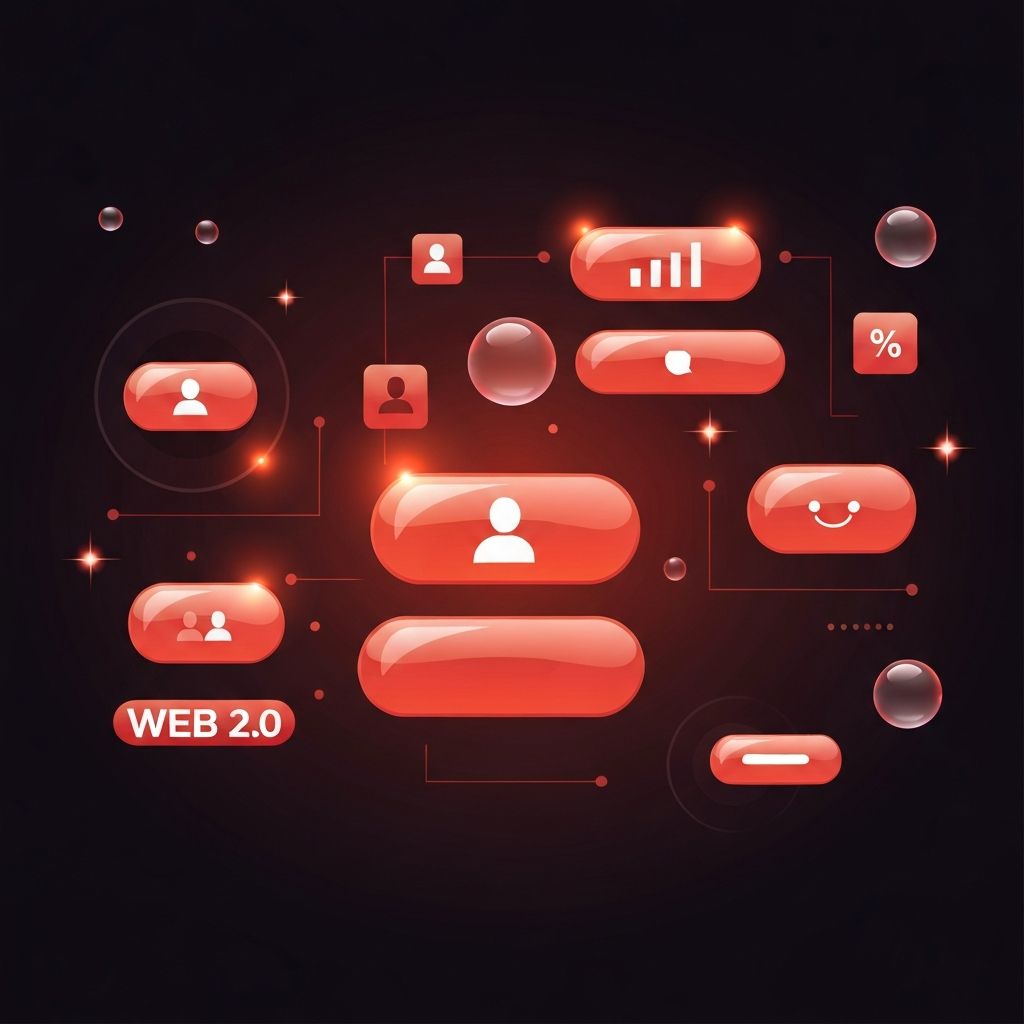
Web 2.0 design emerged in the mid-2000s as the internet shifted from static brochure-style websites to dynamic, user-driven platforms. Coined to describe a new generation of participatory web applications, the term quickly came to represent a distinct visual language: glossy buttons, soft gradients, large friendly typography, rounded corners, and big calls to action. More than a style, Web 2.0 redefined how users and businesses interact online and laid the foundation for modern social media, SaaS, and e-commerce experiences.
Hire AAMAX.CO to Build Modern Web 2.0 Inspired Platforms
Brands that want to capture the friendly, approachable spirit of Web 2.0 while leveraging modern frameworks can rely on the expertise of AAMAX.CO. Their designers and engineers craft engaging interfaces that feel intuitive, social, and conversion-driven. Whether you need a community platform or a polished SaaS product, they deliver tailored web application development services that combine timeless usability principles with cutting-edge technology.
What Defines Web 2.0 Design
Web 2.0 design is rooted in clarity and personality. Pages used generous whitespace to direct attention to a single primary action. Headlines were oversized and confident, often paired with bright accent colors and friendly illustrations. Buttons looked tactile, with subtle gradients and reflective highlights that invited clicks. The overall feel was optimistic, accessible, and human, a deliberate departure from the cluttered portals of the late 1990s.
The Role of User-Generated Content
Beyond aesthetics, Web 2.0 represented a philosophical shift. Platforms such as Flickr, YouTube, Facebook, and Wikipedia empowered users to create, share, and remix content. Design had to accommodate profiles, comments, ratings, tags, and feeds. Interfaces became modular, with widgets and components that could be rearranged and reused. This component-based mindset directly influenced the modern design system movement.
Visual Hallmarks
Several visual cues became synonymous with Web 2.0. Reflective logos with mirrored shadows below them suggested that products were polished and premium. Star ratings, badges, and ribbons added gamified flair to user profiles and product pages. Tag clouds visualized popular topics with varying font sizes. Soft pastel backgrounds and diagonal stripe patterns gave pages a playful, energetic feel. Together, these elements created an instantly recognizable look that businesses across industries adopted to seem modern and forward-thinking.
Typography and Color
Typography grew bolder and friendlier. Sans-serif fonts such as Lucida Grande, Helvetica, and later Open Sans dominated, replacing the traditional serif fonts of older corporate sites. Color palettes leaned on saturated blues, greens, and oranges, balanced by plenty of white space. Designers used color strategically to highlight calls to action and onboarding flows, a practice that remains central to conversion-focused design today.
Interaction and Motion
JavaScript libraries such as jQuery, Prototype, and Scriptaculous enabled smooth animations, drag-and-drop interactions, and asynchronous form submissions. AJAX allowed pages to update without full reloads, creating a seamless feel that felt magical compared to older sites. These interaction patterns set user expectations that persist today, especially in dashboards, social platforms, and productivity tools.
The Long-Term Impact
Although the visual extravagance of Web 2.0 eventually gave way to flat design and minimalism, its underlying principles continue to influence modern interfaces. Component-based design, friendly microcopy, prominent calls to action, and user-generated content are all standard practices today. Even the recent revival of skeuomorphism and gradients in many design systems can be traced back to Web 2.0 sensibilities.
Why Web 2.0 Still Matters
For modern brands, the lessons of Web 2.0 are more relevant than ever. Users crave interfaces that feel personable, social, and responsive. Stripping away every visual flourish in pursuit of minimalism can leave products feeling cold and forgettable. By selectively borrowing from Web 2.0, designers can create experiences that are both efficient and emotionally engaging.
Best Practices for Modern Web 2.0 Inspired Design
To channel the spirit of Web 2.0 without copying outdated patterns, designers should focus on clear hierarchy, friendly typography, and meaningful motion. Use gradients and soft shadows sparingly to add depth where it improves usability. Prioritize accessibility, performance, and mobile responsiveness, which were not strengths of the original era. Combine modular components with personalized content to recreate the participatory feel that made Web 2.0 so successful.
Conclusion
Web 2.0 design transformed the internet from a one-way broadcast medium into a participatory ecosystem. Its visual language, defined by glossy buttons, big calls to action, and user-friendly typography, made the web feel approachable to everyone. Today, the most successful digital products honor these principles while embracing modern performance, accessibility, and design system thinking. Brands that partner with experienced agencies can blend nostalgia and innovation into platforms that delight users and drive results.
