
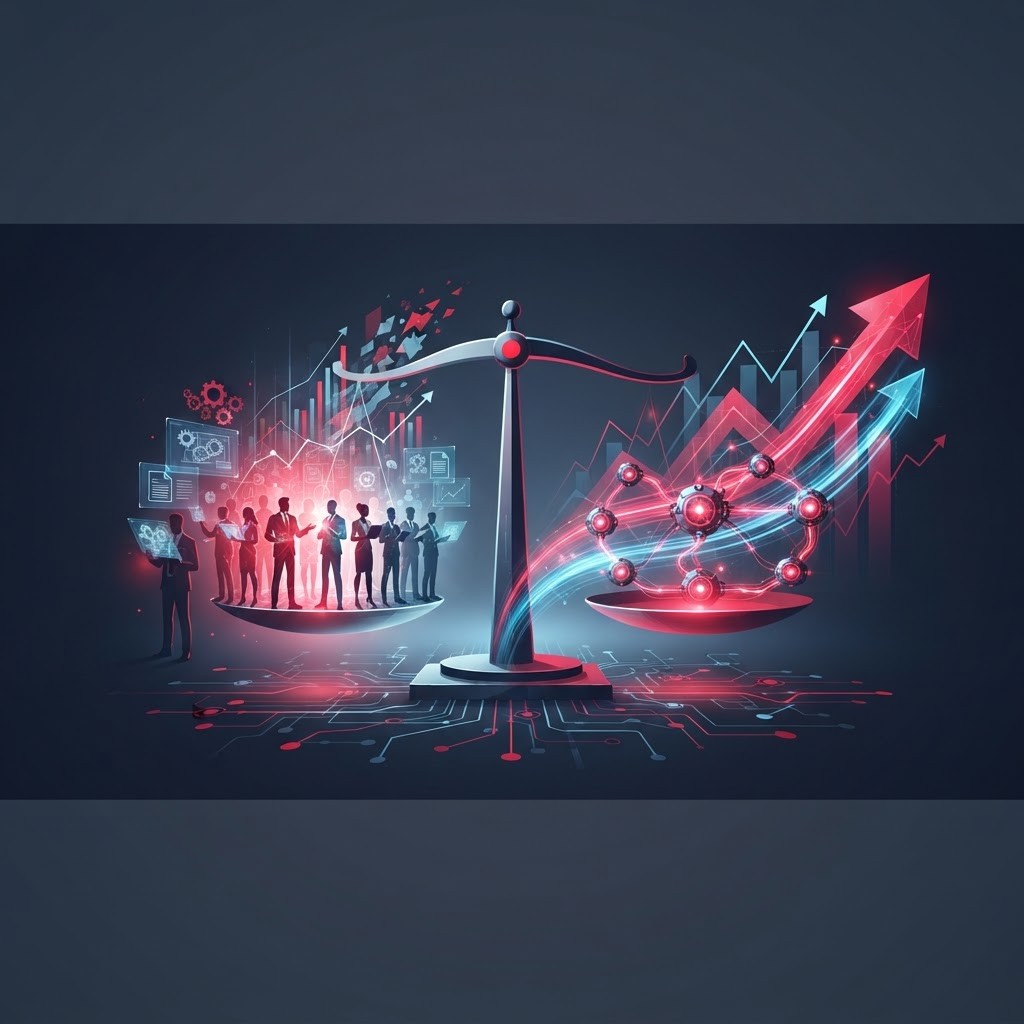
The fear that artificial intelligence will ruin the job market has become a defining anxiety of our era. As AI systems grow capable of performing tasks once thought to require human intelligence, workers across industries wonder whether their livelihoods are at risk. It is a legitimate concern that deserves a clear-eyed examination. The truth is that AI will cause real disruption, but framing it as ruin overlooks the new opportunities, industries, and roles that technological revolutions consistently create.
How AAMAX.CO Helps Businesses Turn Disruption Into Growth
Turning technological change into a competitive advantage is a specialty of AAMAX.CO. As a full-service digital marketing company operating worldwide, they help organizations adopt AI in ways that enhance productivity while preserving and elevating human roles. Their digital marketing team shows businesses how to automate routine work, redeploy talent toward strategic initiatives, and grow, demonstrating that thoughtful AI adoption can create jobs and value rather than simply cutting costs.
Separating Hype From Reality
Much of the alarm around AI stems from worst-case projections that assume rapid, total automation. Reality tends to be messier and slower. AI adoption faces practical hurdles, integration costs, regulatory constraints, reliability concerns, and the need for human oversight. Most organizations automate tasks incrementally rather than replacing entire workforces overnight. This gradual pace gives workers and institutions time to adapt, provided they act with intention.
The Jobs Being Transformed
AI is most likely to transform jobs rather than eliminate them wholesale. In many roles, AI takes over the repetitive components while humans handle judgment, creativity, and interpersonal work. A customer service representative may use AI to draft responses while focusing on complex cases and empathy. An accountant may automate data entry while advising clients on strategy. The nature of the work changes, often becoming more engaging as tedious tasks fall away.
New Industries and Roles
Every technological wave destroys some jobs while creating others, and AI is no exception. The technology is already generating demand for machine learning engineers, data specialists, AI ethicists, and automation consultants. Entire business categories are forming around AI implementation and optimization, including emerging marketing disciplines like generative engine optimization. These new fields will absorb workers over time, especially those who invest in relevant skills.
The Productivity Dividend
There is a strong economic argument that AI will expand rather than shrink overall employment. By making workers more productive, AI can lower costs, spur innovation, and enable businesses to grow and hire. Historically, productivity gains have raised living standards and created new consumer demand, which in turn generates jobs. The challenge is ensuring the benefits are broadly shared rather than concentrated among a few.
The Genuine Risks to Address
The real threat is not universal joblessness but a disorderly transition. Workers in highly exposed roles may struggle to reskill quickly, and inequality could widen if support systems lag behind. Addressing this requires investment in education and retraining, forward-looking policy, and a commitment from employers to help their workforces adapt. Ignoring these needs is what could turn manageable disruption into genuine hardship.
Preparing for an AI-Shaped Economy
Individuals can protect their prospects by building adaptable, complementary skills, critical thinking, creativity, emotional intelligence, and comfort with technology. Embracing AI tools rather than avoiding them makes workers more valuable. For businesses, investing in employee development preserves institutional knowledge while capturing AI's benefits. The common thread is proactivity: those who prepare will fare far better than those who wait.
Conclusion
AI will not ruin the job market, but it will reshape it in ways that demand adaptation. Disruption is real, and the transition must be managed thoughtfully to avoid harm. Yet the same technology that displaces some jobs will create others and make workers more productive. With the right preparation, investment, and mindset, the AI era can be one of opportunity rather than ruin.
