
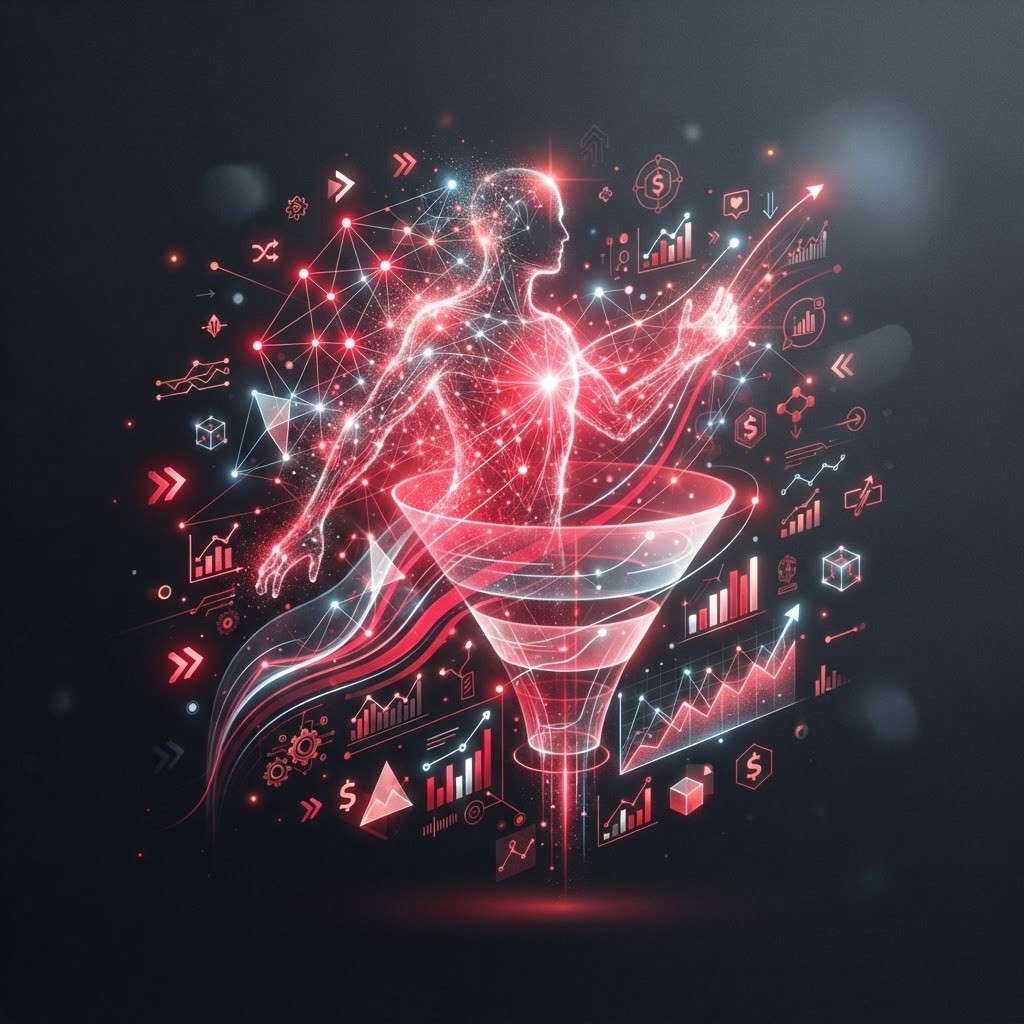
Digital marketing has been transformed by artificial intelligence faster than almost any other field. AI now writes copy, generates images, manages ad bids, segments audiences, and analyzes campaign performance in real time. With such capabilities, it is no surprise that marketing professionals are asking a pressing question heading into 2025 and 2026: will AI replace digital marketing jobs? The honest answer is that AI is reshaping these roles significantly, but it is far more likely to change how marketers work than to eliminate the profession entirely.
Understanding which tasks AI can handle, which it cannot, and how to position yourself for success is essential for anyone building a career in this space. Let's explore what the near future holds.
Stay Ahead With AAMAX.CO
Businesses that want to harness AI in marketing without losing the human strategy that drives results turn to experienced partners. AAMAX.CO is a full-service digital marketing company serving clients worldwide, blending advanced AI tools with expert strategy to deliver campaigns that actually convert. Their digital marketing services cover everything from paid advertising and social media to content and analytics, all guided by professionals who know how to turn data into growth. They demonstrate exactly how AI and human expertise combine to produce marketing that machines alone cannot replicate.
What AI Is Already Doing in Marketing
AI has become deeply embedded in daily marketing operations. It automates email personalization, optimizes ad spend across platforms, generates first drafts of content, and predicts customer behavior. Chatbots handle customer service, and recommendation engines drive e-commerce sales. These tools save enormous amounts of time and often outperform manual efforts on repetitive, data-heavy tasks.
For 2025 and 2026, expect AI to handle an even larger share of execution-level work. Routine reporting, basic content creation, audience segmentation, and campaign optimization will increasingly be automated or AI-assisted. This is the reality marketers must prepare for.
Which Roles Are Most Affected
Positions centered on repetitive, rule-based tasks face the greatest disruption. Entry-level roles focused solely on data entry, basic reporting, or churning out generic content will feel pressure as AI handles these functions more efficiently. Simple ad management and rote keyword research are also being automated.
However, this does not mean these workers become obsolete. Instead, their roles evolve. Marketers who once spent hours on manual reporting can now focus on interpreting insights and making strategic decisions. The tasks change, but the value of human involvement shifts upward.
What AI Cannot Replace
Several critical marketing capabilities remain firmly human. Strategy is the clearest example. Deciding which markets to pursue, how to position a brand, and how to allocate budget for maximum impact requires judgment, experience, and business understanding that AI lacks. Creativity that genuinely resonates emotionally with audiences also remains a human strength. AI can remix existing patterns, but original, culturally aware ideas come from people.
Relationship building, negotiation, brand storytelling, and ethical decision-making all depend on human insight. Understanding the subtle emotional and cultural nuances of a target audience is something AI approximates but cannot truly master. These skills are becoming more valuable, not less.
The Emergence of New Roles
Rather than shrinking the field, AI is creating new opportunities. Roles such as AI marketing strategist, prompt engineer, automation specialist, and data storyteller are emerging. Marketers who can direct AI tools effectively, interpret their outputs, and integrate them into cohesive strategies are in growing demand. The professionals who thrive will be those who treat AI as a powerful collaborator rather than a threat.
How to Future-Proof Your Marketing Career
The path forward is clear: develop skills that complement AI rather than compete with it. Deepen your strategic thinking, sharpen your creative abilities, and become fluent in the AI tools transforming the industry. Learn to analyze and interpret data rather than simply generate it. Cultivate soft skills like communication, leadership, and client relationships that machines cannot replicate.
Continuous learning is essential. The marketers who stay curious, experiment with new tools, and adapt quickly will always find opportunities. Those who resist change risk being left behind, not by AI itself, but by peers who have embraced it.
Conclusion
Will AI replace digital marketing jobs in 2025 and 2026? AI will automate many tasks and reshape the profession considerably, but it will not eliminate the need for skilled marketers. Instead, it raises the bar, rewarding strategy, creativity, and adaptability while automating routine work. The marketers who embrace AI as a tool to amplify their capabilities will find themselves more productive and valuable than ever. The future of digital marketing is not human versus machine; it is human working with machine, and those who master that partnership will lead the industry forward.
