
Understanding Why Cats Vomit Undigested Food
Finding a pile of undigested food on your floor is an unpleasant but common experience for cat owners. While occasional vomiting can be normal for cats, frequent episodes of throwing up undigested food warrant attention and investigation. Understanding the difference between regurgitation and vomiting, identifying potential causes, and knowing when to seek veterinary care are all essential aspects of responsible cat ownership.
Cats have sensitive digestive systems, and there are numerous reasons why they might expel undigested food. Some causes are benign and easily correctable, such as eating too fast, while others may indicate underlying health conditions that require professional treatment. By observing your cat's behavior, eating habits, and the characteristics of the expelled food, you can often gain valuable insights into the root cause of the problem.
Regurgitation vs. Vomiting: Understanding the Difference
Before diving into the causes, it's important to understand the distinction between regurgitation and vomiting, as they are different processes with different implications. Regurgitation is a passive process where food is expelled from the esophagus before it ever reaches the stomach. The food typically comes out in a tubular shape, often covered in mucus, and looks largely undigested because it was never exposed to stomach acids.
Regurgitation usually happens shortly after eating, sometimes within minutes. The cat doesn't show the telltale signs of nausea that precede vomiting. There's no abdominal heaving, retching, or drooling. The food simply slides back up and out, often with little warning. This is a key diagnostic feature that can help your veterinarian narrow down the cause.
Vomiting, on the other hand, is an active process involving abdominal contractions. Before vomiting, cats typically show signs of nausea including lip licking, drooling, restlessness, and audible retching or gagging. The expelled material has usually spent some time in the stomach and may be partially digested, mixed with bile or yellow fluid, and may have a more acidic smell.
When food appears undigested in vomit, it usually means the food was expelled relatively quickly after eating, before significant digestion could occur. This distinction between regurgitation and vomiting is important because different conditions cause each, and the treatment approach may differ accordingly.
Eating Too Fast: The Most Common Culprit
The single most common reason cats throw up undigested food is eating too quickly. When a cat wolfs down its food without adequately chewing, the large pieces of unchewed food can irritate the stomach lining, triggering a vomiting reflex. Additionally, eating too fast causes the cat to swallow excessive amounts of air along with the food, which can cause stomach distension and discomfort that leads to vomiting.
This behavior is particularly common in multi-cat households where cats may feel competitive about food access. Cats that have experienced food scarcity in the past, such as former strays or shelter cats, may also develop a habit of eating rapidly. Hungry cats that are only fed once or twice a day may rush through their meals, increasing the likelihood of post-meal vomiting.
Several strategies can help slow down a fast-eating cat. Puzzle feeders and slow-feed bowls feature raised ridges or obstacles that force the cat to eat around them, naturally slowing their eating pace. Feeding smaller, more frequent meals throughout the day can reduce hunger-driven speed eating. Spreading food across a large flat surface, like a baking sheet, forces the cat to pick up pieces individually rather than gulping mouthfuls.
In multi-cat households, feeding cats in separate rooms can eliminate food competition and allow each cat to eat at its own pace. Elevated food bowls can also help some cats eat more comfortably and slowly, as the improved posture allows for easier swallowing.
Dietary Causes and Food Sensitivities
Food allergies and sensitivities are another common cause of vomiting undigested food in cats. Just like humans, cats can develop allergies or intolerances to specific ingredients in their food. The most common food allergens for cats include beef, dairy, fish, chicken, and wheat. When a cat consumes a food they are sensitive to, the body may reject it through vomiting.
Sudden changes in diet can also trigger vomiting. Cats have sensitive digestive systems that need time to adjust to new foods. When you switch your cat's food abruptly, the unfamiliar ingredients can upset their stomach and cause vomiting. To avoid this, always transition to a new food gradually over seven to ten days, mixing increasing amounts of the new food with decreasing amounts of the old food.
Poor quality food with artificial additives, fillers, and by-products can be harder for cats to digest and may cause chronic vomiting. Consider switching to a higher quality food with named protein sources and minimal artificial ingredients. Grain-free options may help cats with grain sensitivities, though it's important to note that grain allergies in cats are actually less common than many people believe.
Food temperature can also play a role. Serving food directly from the refrigerator when it's very cold can cause stomach upset in some cats. Let refrigerated food come to room temperature before serving, or warm it slightly in the microwave for a few seconds and stir well to eliminate hot spots.
Hairballs and Their Role in Vomiting
Hairballs are a well-known cause of vomiting in cats, though they more commonly cause the cat to expel hair rather than food. However, hairballs can sometimes contribute to food vomiting in an indirect way. When a large hairball forms in the stomach or intestines, it can create a partial blockage that prevents food from moving through the digestive tract normally, leading to vomiting of food.
Long-haired breeds such as Persians, Maine Coons, and Ragdolls are more prone to hairball-related issues due to the volume of fur they ingest during grooming. However, any cat can develop hairball problems, especially during heavy shedding seasons in spring and fall.
Regular brushing and grooming can significantly reduce the amount of loose fur your cat ingests during self-grooming. Hairball prevention treats, supplements, and specialized hairball-control cat foods contain ingredients that help hair pass through the digestive system rather than accumulating in the stomach. Increased dietary fiber can also help move hair through the intestinal tract more efficiently.
Medical Conditions That Cause Vomiting
Several medical conditions can cause cats to vomit undigested food, and it's important to be aware of these possibilities. Inflammatory bowel disease, or IBD, is a chronic condition in which the lining of the gastrointestinal tract becomes inflamed, leading to frequent vomiting, diarrhea, weight loss, and decreased appetite. IBD requires veterinary diagnosis through blood tests, imaging, and sometimes intestinal biopsies.
Gastritis, or inflammation of the stomach lining, can cause vomiting shortly after eating. This can be triggered by stress, infections, toxin ingestion, or certain medications. Chronic gastritis may result in persistent vomiting and requires veterinary evaluation and treatment.
Hyperthyroidism is one of the most common endocrine disorders in older cats and can cause increased appetite accompanied by weight loss and vomiting. The overactive thyroid gland speeds up metabolism, and affected cats may eat voraciously but still lose weight while frequently vomiting. A simple blood test can diagnose this condition, and it is highly treatable with medication, diet, or radioactive iodine therapy.
Kidney disease, particularly common in senior cats, can cause nausea and vomiting as toxins build up in the bloodstream due to decreased kidney function. Other symptoms include increased thirst, increased urination, weight loss, and poor coat condition. Early detection through regular blood work is key to managing kidney disease effectively.
Intestinal obstructions caused by foreign bodies such as string, ribbon, hair ties, or small toy parts can cause persistent vomiting of food and liquid. Cats, especially young ones, are notorious for ingesting non-food items. An intestinal obstruction is a veterinary emergency that typically requires surgical intervention.
Stress and Anxiety-Related Vomiting
Cats are sensitive creatures, and stress can manifest physically through digestive symptoms, including vomiting. Changes in the household such as moving to a new home, introducing a new pet, construction noise, or changes in the owner's schedule can cause stress-related gastrointestinal upset.
Anxiety during mealtimes, perhaps caused by feeding near a noisy appliance or in a high-traffic area, can lead to either speed eating or food avoidance, both of which can contribute to vomiting. Creating a calm, quiet, and consistent feeding environment can help reduce stress-related eating issues.
Environmental enrichment, regular play sessions, and maintaining consistent routines can help reduce overall stress levels in cats. In severe cases, your veterinarian may recommend anti-anxiety medications or pheromone diffusers to help your cat feel more relaxed.
When to See the Veterinarian
While occasional vomiting of undigested food is common and often harmless, certain situations warrant prompt veterinary attention. Seek veterinary care if your cat vomits multiple times in a single day, vomits consistently after every meal, has blood in the vomit, shows signs of dehydration, is losing weight, appears lethargic or in pain, or has a swollen or tender abdomen.
Kittens and senior cats are more vulnerable to the effects of vomiting, including dehydration and nutritional deficiency, so err on the side of caution with these age groups. If your cat has been vomiting regularly for more than two days, regardless of other symptoms, a veterinary examination is recommended.
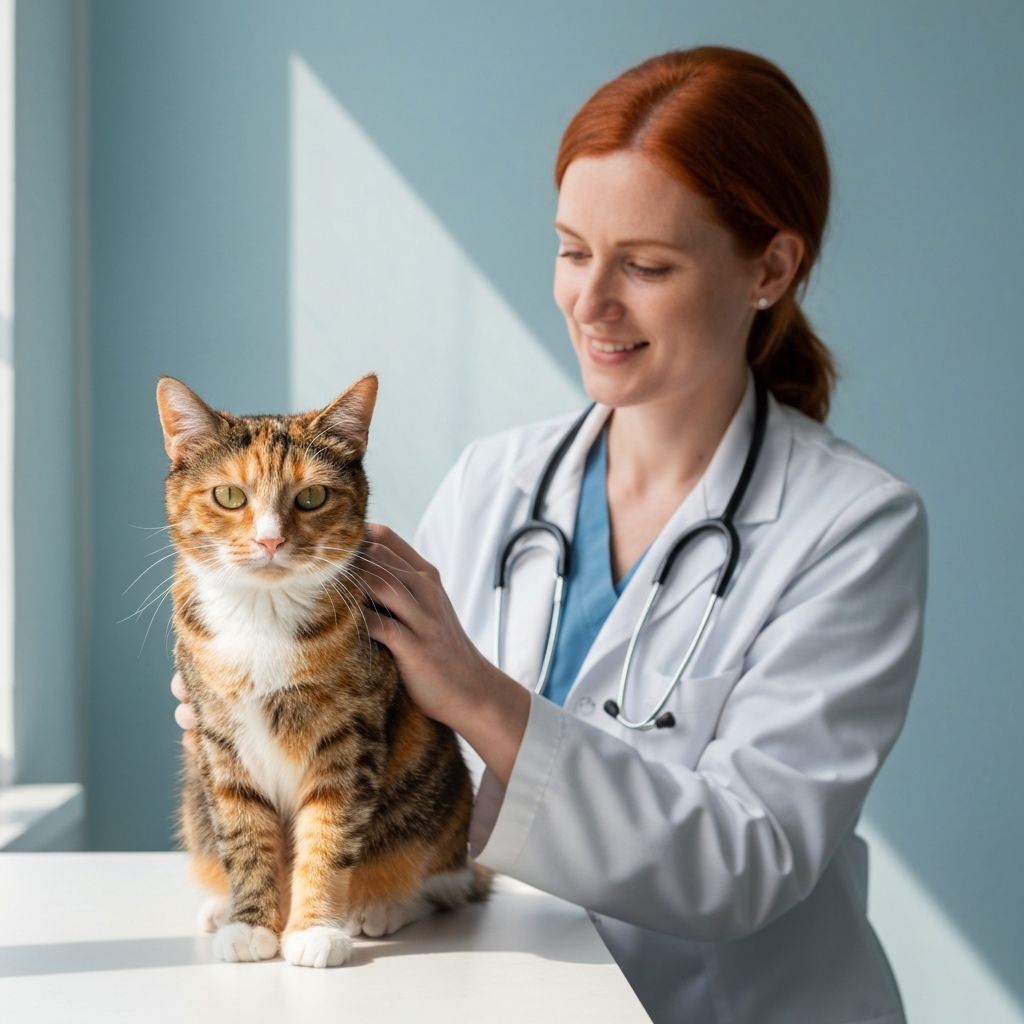
Your veterinarian will likely perform a physical examination and may recommend diagnostic tests such as blood work, urinalysis, X-rays, or ultrasound to identify the underlying cause. Treatment will depend on the diagnosis and may range from dietary changes and anti-nausea medication to more intensive interventions for serious conditions.
Conclusion
Cats throwing up undigested food is a common occurrence with many potential causes, ranging from simple issues like eating too fast to more serious medical conditions requiring veterinary intervention. By paying attention to the frequency, timing, and characteristics of your cat's vomiting, you can often identify the cause and take appropriate action. When in doubt, always consult your veterinarian, as early detection and treatment of underlying conditions can significantly improve outcomes and keep your feline companion healthy and comfortable.
