
The Science Behind Post-Meal Sleepiness
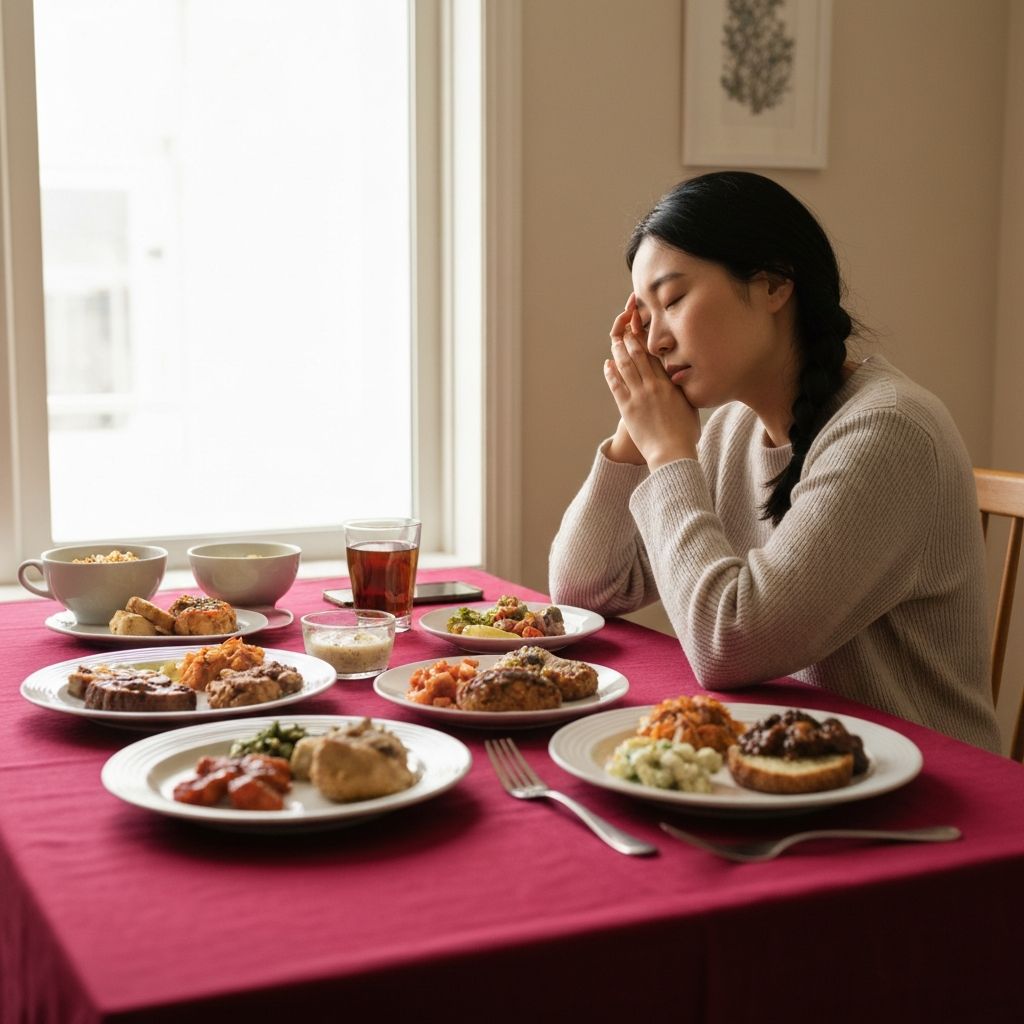
If you have ever felt an overwhelming urge to take a nap after eating, you are not alone. Post-meal sleepiness, sometimes called a food coma or by its scientific name postprandial somnolence, is an extremely common phenomenon that affects most people to some degree. While it can be frustrating, especially when it strikes during a workday, understanding why food makes you sleepy can help you take steps to minimize the effect and stay alert when you need to.
The feeling of drowsiness after eating is caused by a combination of physiological processes that occur during digestion. These include shifts in blood flow, changes in hormone levels, activation of the parasympathetic nervous system, and fluctuations in blood sugar. Each of these factors contributes to the sleepy feeling, and in many cases, they work together to create an effect that is stronger than any single factor would produce on its own.
Blood Flow Redistribution During Digestion
One of the primary reasons food makes you sleepy is the redistribution of blood flow that occurs during digestion. When you eat, your body diverts a significant portion of blood away from your muscles and brain and toward your digestive system. This increased blood flow to the stomach and intestines is necessary for the complex process of breaking down food, absorbing nutrients, and moving waste through the digestive tract.
The reduction in blood flow to the brain, even though it is relatively modest, can contribute to feelings of mental fog and drowsiness. Your brain is an incredibly energy-demanding organ, and even small changes in blood supply can affect alertness and cognitive function. This effect is more pronounced after large meals because the digestive system requires more blood flow to process a greater volume of food.
This blood flow redistribution is orchestrated by the autonomic nervous system and is a completely normal part of digestion. While it cannot be eliminated entirely, eating smaller, more frequent meals can reduce the magnitude of the blood flow shift and help you maintain more consistent energy levels throughout the day.
The Role of Tryptophan and Serotonin
You have probably heard that turkey makes you sleepy because it contains tryptophan, and while this is an oversimplification, there is truth to the underlying mechanism. Tryptophan is an essential amino acid found in many protein-rich foods, including turkey, chicken, eggs, cheese, nuts, and fish. Your body uses tryptophan to produce serotonin, a neurotransmitter that promotes relaxation and well-being, and melatonin, the hormone that regulates sleep.
However, it is not just the presence of tryptophan that causes sleepiness. The key factor is the ratio of tryptophan to other amino acids in the bloodstream. When you eat a meal that is high in carbohydrates along with protein, the carbohydrates trigger an insulin response that clears competing amino acids from the blood, allowing more tryptophan to cross the blood-brain barrier. Once in the brain, tryptophan is converted to serotonin and then to melatonin, both of which promote sleepiness.
This is why meals that combine carbohydrates with protein tend to make you sleepier than meals that are primarily protein or primarily carbohydrate. The classic Thanksgiving meal of turkey with mashed potatoes, stuffing, and cranberry sauce is the perfect combination for maximizing tryptophan's sleep-inducing effects. A high-protein meal without significant carbohydrates, on the other hand, actually tends to increase alertness because the other amino acids compete with tryptophan for brain access.
Blood Sugar and Insulin Response
The blood sugar response to a meal is another major contributor to post-meal sleepiness. When you eat foods that are high in simple carbohydrates or sugar, your blood sugar rises rapidly. In response, your pancreas releases a large amount of insulin to bring blood sugar levels back down. This rapid rise and fall in blood sugar, sometimes called a sugar crash, can leave you feeling tired, foggy, and craving more sugar.
The insulin surge also has indirect effects on sleepiness. As mentioned above, insulin helps clear competing amino acids from the bloodstream, allowing more tryptophan to reach the brain and be converted to sleep-promoting serotonin. Insulin also affects the production of orexin, a neuropeptide that promotes wakefulness. High insulin levels suppress orexin production, which can directly contribute to feelings of drowsiness after a carbohydrate-heavy meal.
Foods with a high glycemic index, such as white bread, white rice, sugary drinks, pastries, and candy, cause the most dramatic blood sugar spikes and subsequent crashes. Foods with a lower glycemic index, such as whole grains, vegetables, legumes, and most fruits, cause a more gradual rise in blood sugar and are less likely to trigger significant post-meal sleepiness.
The Parasympathetic Nervous System
After eating, your body activates the parasympathetic nervous system, often called the rest and digest system. This branch of the autonomic nervous system is responsible for promoting digestion, slowing heart rate, and encouraging the body to conserve energy. Its activation after a meal is a natural and necessary part of the digestive process, but it also creates a physiological state that is conducive to sleep.
The parasympathetic response is triggered by the physical distension of the stomach and the chemical signals released by the digestive system as food is broken down and absorbed. Larger meals produce a stronger parasympathetic response, which is why you tend to feel sleepier after a big holiday dinner than after a light salad. The hormones cholecystokinin and peptide YY, which are released during digestion, also promote feelings of satiety and relaxation that contribute to post-meal drowsiness.
This parasympathetic activation is the opposite of the sympathetic fight or flight response that keeps you alert and energized during stressful or active situations. The transition from sympathetic to parasympathetic dominance after eating is a natural rhythm of the body, and some degree of post-meal relaxation is both normal and healthy.
How to Reduce Post-Meal Sleepiness
While you cannot entirely eliminate the physiological processes that cause post-meal sleepiness, there are several strategies that can help you minimize the effect and maintain your energy levels after eating. The most effective approach is to pay attention to the composition and size of your meals.
Eat smaller, more frequent meals rather than a few large ones. Smaller meals require less blood flow for digestion, produce a milder insulin response, and trigger a less dramatic parasympathetic shift. Aim for meals that are about 400 to 600 calories and supplement with healthy snacks between meals if needed.
Balance your macronutrients at each meal. Include protein, healthy fat, and fiber-rich carbohydrates to slow digestion and prevent blood sugar spikes. A meal of grilled chicken with roasted vegetables and a small portion of brown rice will produce far less sleepiness than a plate of white pasta with sugary tomato sauce.
Stay hydrated throughout the day. Dehydration can exacerbate feelings of fatigue, and many people mistake thirst for tiredness. Drink water before and during meals, and aim for at least eight glasses of water per day. Avoid sugary beverages and excessive alcohol with meals, as both can worsen post-meal drowsiness.
Take a short walk after eating. Even a 10 to 15 minute walk can improve circulation, stabilize blood sugar, and counteract the parasympathetic rest-and-digest response. Research has shown that a post-meal walk can reduce blood sugar spikes by up to 30 percent and significantly improve alertness and energy levels.
When Post-Meal Sleepiness Might Be a Concern
While some degree of post-meal drowsiness is normal, excessive or persistent sleepiness after eating could indicate an underlying health condition. Conditions that can cause abnormal post-meal fatigue include diabetes or prediabetes, where impaired insulin function leads to exaggerated blood sugar swings. Reactive hypoglycemia, where blood sugar drops too low after eating, can also cause extreme fatigue along with shakiness, sweating, and confusion.
Food sensitivities or intolerances, such as celiac disease or lactose intolerance, can cause fatigue after eating trigger foods. Sleep disorders like sleep apnea can make you more susceptible to daytime sleepiness in general, and eating can exacerbate this. Thyroid disorders, anemia, and chronic fatigue syndrome are other conditions that can cause excessive post-meal tiredness.
If you experience severe drowsiness after every meal, if the sleepiness significantly impairs your ability to function, or if it is accompanied by other symptoms like excessive thirst, frequent urination, unexplained weight loss, or digestive distress, consult your healthcare provider. These could be signs of a condition that requires medical attention and treatment.
