
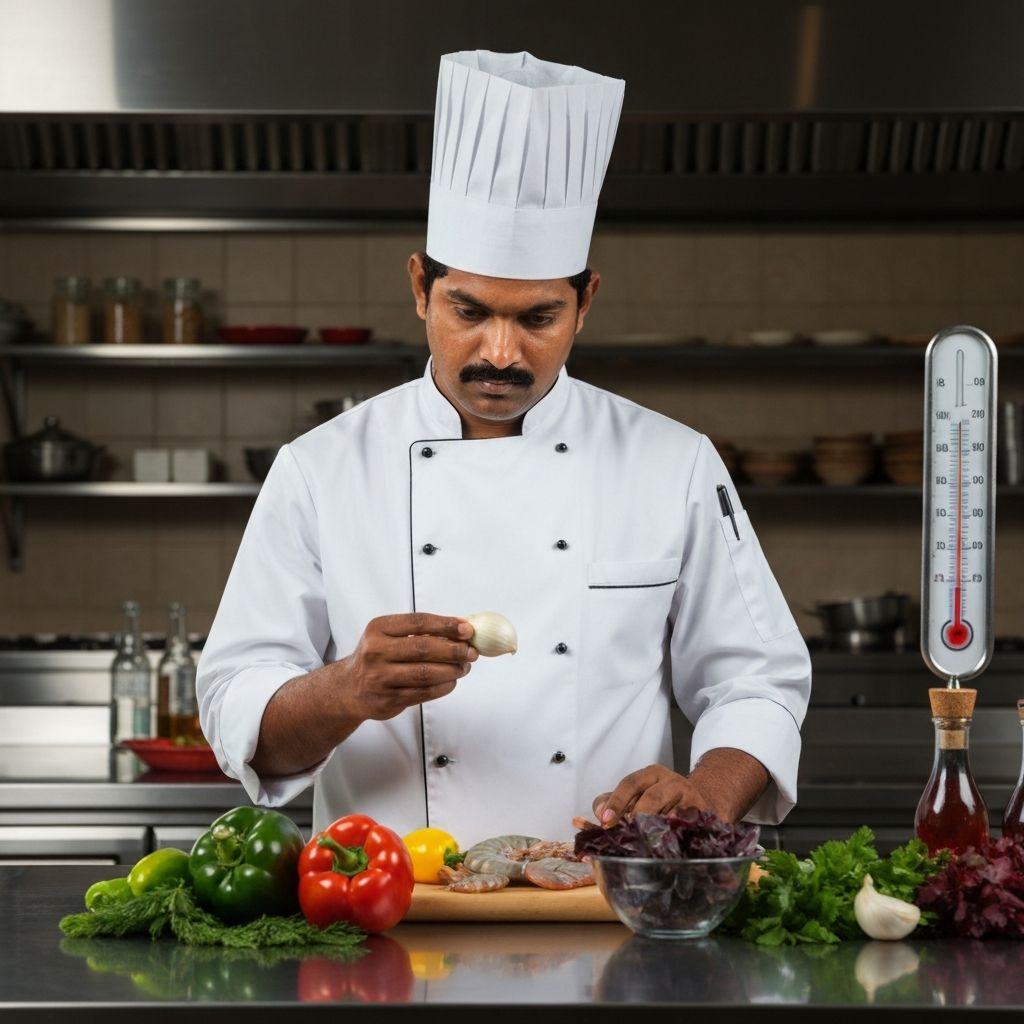
Understanding TCS Foods
In the world of food safety, few concepts are as important as TCS foods. TCS stands for Time/Temperature Control for Safety, and it refers to foods that require careful time and temperature management to prevent the growth of harmful microorganisms that can cause foodborne illness. Understanding which foods are TCS foods and how to handle them properly is essential for anyone who prepares, serves, or stores food, whether in a professional kitchen, a school cafeteria, or a home environment.
TCS foods are those that provide the ideal conditions for bacterial growth: they are typically moist, contain protein, and have a neutral or slightly acidic pH. When these foods are held at temperatures between 41 degrees Fahrenheit and 135 degrees Fahrenheit, known as the "danger zone," bacteria can multiply rapidly, potentially reaching levels that can cause illness in a matter of hours. This is why proper temperature control is critical from the moment TCS foods are received through storage, preparation, cooking, and serving.
Common Examples of TCS Foods
TCS foods encompass a wide range of everyday ingredients and prepared dishes. Meat and poultry are perhaps the most well-known TCS foods. Raw and cooked beef, pork, chicken, turkey, and other meats provide an ideal environment for bacterial growth and must be stored at proper temperatures, cooked to safe internal temperatures, and either served immediately or held at temperatures above 135 degrees Fahrenheit or below 41 degrees Fahrenheit.
Seafood, including fish, shellfish, and crustaceans, is another major category of TCS food. Fresh seafood is particularly vulnerable to bacterial contamination and spoilage due to its high moisture content and protein levels. Proper handling of seafood begins at the point of harvest and continues through every stage of the supply chain.
Dairy products, including milk, cream, cheese (especially soft cheeses), and butter, are TCS foods that require consistent refrigeration. Eggs and egg products are also classified as TCS foods, as they can harbor Salmonella and other harmful bacteria if not handled and cooked properly.
Cooked vegetables, beans, rice, and pasta are often overlooked as TCS foods, but they absolutely qualify. Once these items have been cooked, they become susceptible to bacterial growth if not properly stored. Cooked rice, in particular, can be a source of Bacillus cereus, a bacterium that produces toxins causing vomiting and diarrhea. Leftover rice should be cooled quickly and refrigerated promptly.
Less Obvious TCS Foods
While the foods listed above are the most commonly recognized TCS foods, several less obvious items also fall into this category. Cut fruits and vegetables become TCS foods once they've been sliced, diced, or otherwise processed. Whole fruits and vegetables are generally not TCS foods because their intact skin acts as a natural barrier against contamination. However, once that barrier is broken, the moist, nutrient-rich interior becomes a potential breeding ground for bacteria.
Tofu and other soy-based products are TCS foods due to their high moisture and protein content. Sprouts, including alfalfa, bean, and radish sprouts, are considered particularly high-risk TCS foods because the warm, humid conditions required for sprouting are also ideal for bacterial growth. The FDA has identified sprouts as a frequent source of foodborne illness outbreaks.
Garlic-in-oil mixtures are a lesser-known but significant TCS food. When fresh garlic is submerged in oil, it creates an anaerobic (oxygen-free) environment that can support the growth of Clostridium botulinum, the bacterium responsible for botulism. Commercially prepared garlic-in-oil products contain acidifying agents to prevent this, but homemade versions should always be refrigerated and used within a short time frame.
The Danger Zone Explained
The concept of the "danger zone" is central to understanding TCS food safety. The danger zone refers to the temperature range between 41 degrees Fahrenheit (5 degrees Celsius) and 135 degrees Fahrenheit (57 degrees Celsius), within which bacteria can grow rapidly. At the center of this range, around 70 to 125 degrees Fahrenheit, bacterial growth is at its fastest, with some species capable of doubling their population every 20 minutes.
This means that a TCS food left at room temperature (approximately 70 degrees Fahrenheit) can go from safe to potentially dangerous in as little as two hours. This is why food safety guidelines specify that TCS foods should not be held in the danger zone for more than four hours total, with many experts recommending a two-hour maximum, especially in warm environments.
To keep TCS foods safe, cold foods should be held at 41 degrees Fahrenheit or below, and hot foods should be held at 135 degrees Fahrenheit or above. When cooling hot foods for storage, they should be cooled from 135 degrees to 70 degrees within two hours, and from 70 degrees to 41 degrees within an additional four hours, for a total cooling time of no more than six hours.
Proper Handling and Storage
Proper handling of TCS foods begins at the point of purchase or receipt. When buying TCS foods at the grocery store, select them last and transport them home quickly, especially in warm weather. Refrigerated items should feel cold to the touch, and frozen items should be solid with no signs of thawing.
Storage is equally important. Refrigerators should be set to 40 degrees Fahrenheit or below, and freezers should be set to 0 degrees Fahrenheit or below. TCS foods should be stored in sealed containers to prevent cross-contamination, and raw meats should be stored on the lowest shelves to prevent their juices from dripping onto other foods.
When preparing TCS foods, practice good hygiene by washing hands thoroughly before and after handling raw meats, using separate cutting boards for raw proteins and ready-to-eat foods, and sanitizing surfaces and utensils frequently. Cook TCS foods to their recommended internal temperatures: 165 degrees Fahrenheit for poultry, 155 degrees for ground meats, and 145 degrees for whole cuts of meat and seafood.
TCS Foods in Food Service Operations
In professional food service settings, TCS food management is governed by strict regulations and standards. The Food and Drug Administration's Food Code provides comprehensive guidelines for the safe handling of TCS foods in restaurants, hotels, hospitals, schools, and other food service establishments.
Food service operations are required to implement Hazard Analysis and Critical Control Points (HACCP) plans that identify potential food safety hazards and establish procedures for preventing, monitoring, and correcting them. These plans typically include detailed protocols for receiving, storing, preparing, cooking, holding, cooling, and reheating TCS foods.
Temperature monitoring is a critical component of TCS food management in food service. Staff are required to regularly check and record the temperatures of refrigerators, freezers, hot holding equipment, and food items themselves. Any deviation from safe temperatures must be immediately addressed, either by adjusting equipment settings, discarding affected food, or implementing corrective actions.
Foodborne Illness and TCS Foods
The consequences of improper TCS food handling can be severe. Foodborne illness, commonly known as food poisoning, affects an estimated 48 million Americans each year, resulting in approximately 128,000 hospitalizations and 3,000 deaths. Many of these cases are linked to the mishandling of TCS foods.
Common pathogens associated with TCS foods include Salmonella (often found in poultry, eggs, and produce), E. coli (associated with undercooked ground beef and contaminated produce), Listeria (found in deli meats, soft cheeses, and ready-to-eat foods), Clostridium perfringens (associated with improperly cooled meats and gravies), and Staphylococcus aureus (linked to foods handled by infected workers).
Symptoms of foodborne illness can range from mild (nausea, stomach cramps, diarrhea) to severe (bloody diarrhea, kidney failure, neurological damage, death), depending on the pathogen involved and the individual's health status. Vulnerable populations, including young children, elderly adults, pregnant women, and immunocompromised individuals, are at greater risk of serious complications.
Conclusion
TCS foods are a fundamental concept in food safety that affects everyone who handles, prepares, or consumes food. By understanding which foods require time and temperature control, following proper storage and handling guidelines, cooking foods to safe internal temperatures, and being vigilant about the danger zone, you can significantly reduce the risk of foodborne illness for yourself and others. Food safety isn't just a professional obligation; it's a personal responsibility that protects the health and well-being of everyone at the table.
