
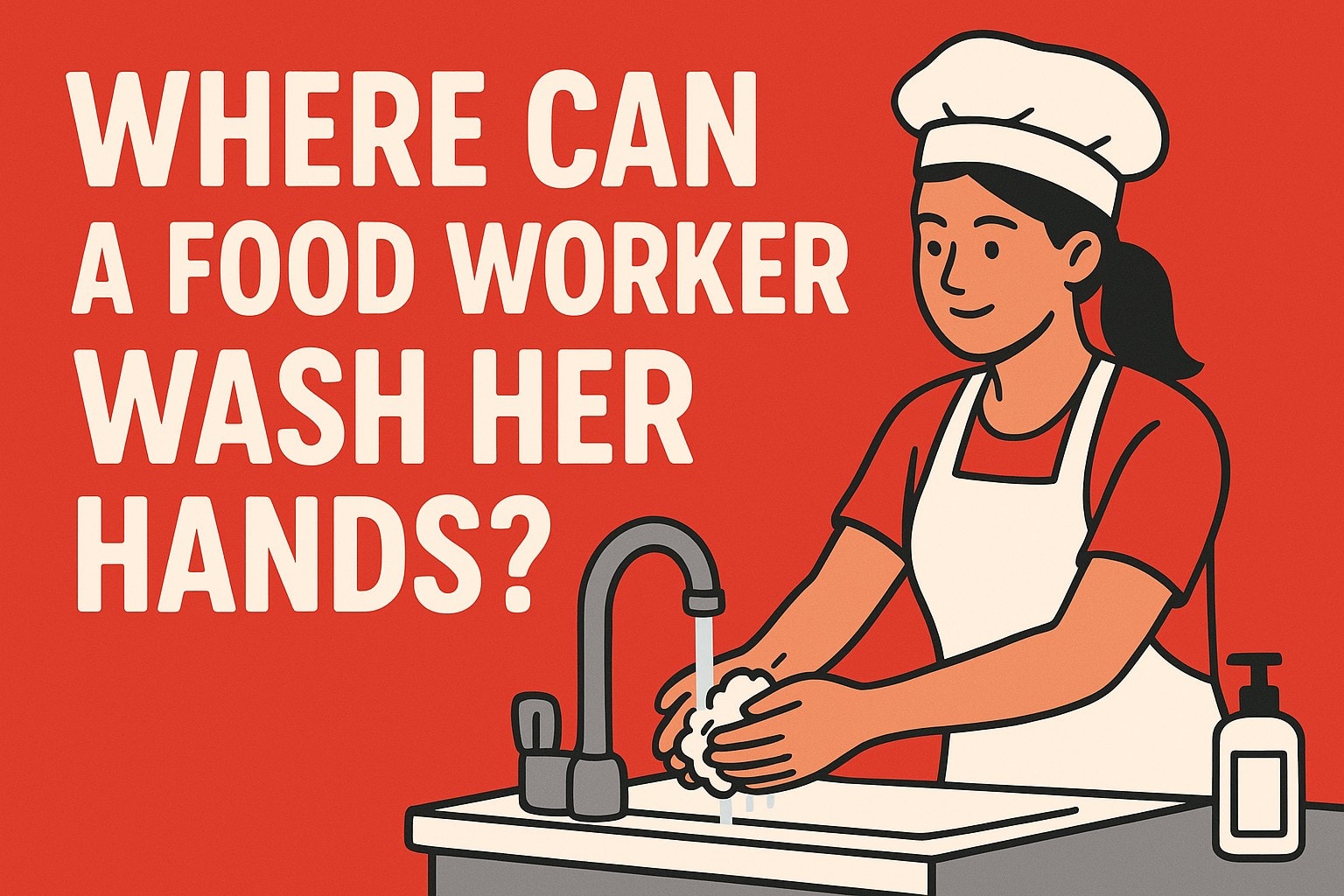
Proper handwashing is one of the most essential food safety practices in any food service establishment. From restaurants and cafeterias to food trucks and bakery kitchens, knowing where a food worker can and must wash her hands is crucial for preventing foodborne illness. Contamination can occur in seconds, and harmful pathogens can easily transfer from hands to food, utensils, equipment, and surfaces. Because of this, local, state, and national food safety regulations require strict handwashing procedures and clearly designated handwashing stations. Understanding these rules helps maintain hygiene, comply with health codes, and build trust with customers.
Why Proper Handwashing Locations Matter
Handwashing is more than rinsing hands under running water—it is a controlled hygiene process that relies on designated facilities designed to support effective cleaning. When food workers wash their hands in the wrong locations, such as food prep sinks or dishwashing areas, cross-contamination becomes a major risk. For instance, washing hands in a prep sink can introduce bacteria from the worker’s hands to ready-to-eat foods. Using a dish sink for handwashing can also contaminate cleaned utensils and equipment. To prevent such scenarios, food establishments must provide and maintain specific sinks exclusively for handwashing, keeping them accessible, functional, and stocked with cleaning essentials.
Designated Handwashing Sinks: The Only Proper Place
The primary and most important location where a food worker can wash her hands is a designated handwashing sink. These sinks must be used only for handwashing and never for food preparation, equipment cleaning, chemical disposal, or other tasks. Handwashing sinks are required in all commercial food service operations, and their placement is regulated by public health departments. They must be located in areas where employees can reach them easily and use them frequently.
Health codes specify that handwashing sinks must be available in the following general areas:
- Food preparation areas
- Dishwashing or warewashing areas
- Restrooms and immediately outside restrooms
- Service areas where food is handled, served, or packaged
- Areas where raw animal products are processed
A handwashing sink must always provide warm running water, soap, and a sanitary drying option such as disposable paper towels or an air dryer. Additionally, signage reminding employees to wash their hands must be posted near every sink to reinforce the importance of hygiene.
Handwashing Sink Requirements
Food safety authorities such as the FDA Food Code outline specific requirements for proper handwashing sinks. These requirements ensure that the sink is functional, accessible, and hygienic. If any of these conditions are not met, the sink may be considered noncompliant, and employees may be forced to wash their hands elsewhere, which violates regulations and can result in health code violations.
1. Accessibility
Handwashing sinks must be easily accessible to employees without obstruction. This means they cannot be blocked by stored items, equipment, boxes, or carts. Additionally, employees should not need to pass through areas with potential contamination hazards to reach a handwashing sink. For example, walking through a dirty dishwashing area to wash hands is prohibited. The sink must be located in a direct and safe path to encourage frequent use.
2. Functional Hot and Cold Running Water
A handwashing sink must supply warm water at the appropriate temperature to ensure effective bacterial removal. Most regulations require water at a minimum temperature of 100°F (38°C). Temperatures should not be so hot that workers cannot wash their hands comfortably. Both hot and cold water should be available through a mixing faucet so employees can adjust the temperature as needed.
3. Soap Supply
Liquid, foam, or powder soap must be provided at every handwashing sink. Bar soap is not recommended in commercial environments due to its potential for contamination. Dispensers should be kept filled and in good working condition. If a sink does not have soap, it cannot be used for proper handwashing, even if water is available.
4. Hand Drying Provisions
Employees must be able to dry their hands using a sanitary method such as:
- Disposable paper towels
- Continuous towel systems
- Hand dryers
Reusable or shared cloth towels are prohibited because they can retain moisture and harbor bacteria. Additionally, waste bins must be available near sinks so used paper towels can be disposed of properly.
5. Signage Requirements
Regulations require that handwashing signs be clearly posted near every handwashing sink. These signs remind staff when and how to wash their hands. They are especially important in busy environments where workers may forget or overlook procedures during peak hours. Handwashing signs typically include messages such as “Employees must wash hands before returning to work” or “Wash hands after handling raw meat.”
6. Separation from Food Prep and Dish Sinks
Handwashing sinks must be used exclusively for handwashing and kept separate from other sink types. Prep sinks are used for washing fruits, vegetables, and other ingredients, whereas dish sinks or three-compartment sinks are used for cleaning utensils and equipment. Mixing uses increases contamination risks, so handwashing sinks must be clearly designated and maintained for their intended purpose.
Handwashing in Restrooms
Restrooms contain handwashing sinks, and employees are required to wash their hands after using the toilet. However, washing hands in the restroom alone is not always enough. Many health departments require employees to wash their hands again at the nearest handwashing sink before returning to work. This double-washing ensures that hands remain clean even after employees exit the restroom and touch door handles or other potentially contaminated surfaces.
Handwashing Sinks in Food Preparation Areas
In any area where food is being prepared or handled, there must be a handwashing sink nearby so that workers can wash their hands frequently. Consider the following scenarios where close access to handwashing sinks is vital:
- Switching between handling raw and ready-to-eat foods
- After touching the face, hair, or body
- After sneezing, coughing, or blowing one’s nose
- After handling cleaning chemicals
- When switching tasks, such as going from dishwashing to food prep
Food prep areas must not rely on sinks located far away, as distance discourages employees from washing their hands as often as needed. The closer the sink, the better the compliance.
Handwashing at Workstations and Behind Counters
In front-of-house environments such as cafés, deli counters, or open kitchens, employees often handle food directly in view of customers. This makes hygiene essential not only for safety but also for customer confidence. Handwashing sinks should be installed behind counters or at workstations where food is assembled, served, or packaged. These sinks allow workers to wash their hands quickly between tasks without leaving the area or disrupting customer service.
Handwashing in Food Trucks and Mobile Units
Food trucks, concession stands, and mobile food units are also required to provide handwashing sinks. These sinks must meet the same standards as those in traditional commercial kitchens, including adequate water supply, soap, and towels. Because space is limited, food truck operators must plan carefully to ensure the sink is accessible and not blocked by supplies or equipment. In most regions, operating without a working handwashing sink can result in immediate suspension of service.
Where Food Workers Cannot Wash Their Hands
To ensure safety, certain sinks and areas are prohibited for handwashing:
- Prep sinks: Washing hands here can contaminate ingredients.
- Dishwashing sinks or three-compartment sinks: These are for cleaning equipment, not hands.
- Mop sinks or utility sinks: These are used for wastewater and chemical disposal.
- Bar sinks (unless designated as handwashing sinks): Bar areas must have separate handwashing stations if employees handle garnishes or serve drinks.
Using the wrong sink can lead to serious health code violations and contaminate food or equipment.
When a Food Worker Must Wash Her Hands
Even though the primary focus of this article is where food workers wash their hands, understanding when handwashing is required helps ensure the sinks are used properly. A food worker must wash her hands:
- Before starting work
- Before putting on gloves
- After removing gloves
- After handling raw meat, poultry, seafood, or eggs
- After using the restroom
- After touching hair, face, or clothing
- After eating, drinking, or smoking
- After cleaning tasks
- After taking out the trash
- After sneezing or coughing
- After handling money
- Whenever switching between tasks
These frequent handwashing requirements make proper sink placement essential for efficiency and safety.
Maintaining Handwashing Facilities
Proper maintenance ensures that handwashing sinks remain clean, functional, and compliant. Establishments must regularly check sinks to ensure water is running, soap dispensers are filled, and towel supplies are stocked. In addition, sinks must be cleaned daily to prevent buildup of grime or contamination. A poorly maintained sink discourages handwashing and creates a negative work environment. Health inspectors typically check handwashing stations early during inspections, and any deficiencies can result in point deductions or citations.
Conclusion: Handwashing Sinks Are Critical for Food Safety
Knowing where a food worker can wash her hands is a fundamental part of food safety in any commercial kitchen. Only designated handwashing sinks—properly equipped, accessible, and well-maintained—are approved locations for washing hands. These sinks must be separate from food prep, utensil washing, mop sinks, and other equipment to prevent contamination. Whether in a restaurant, food truck, bakery, deli counter, or mobile unit, the availability and proper use of handwashing sinks play a central role in preventing foodborne illness and ensuring compliance with health regulations. By maintaining proper facilities and promoting good hand hygiene practices, food establishments protect both their customers and their reputation.
