
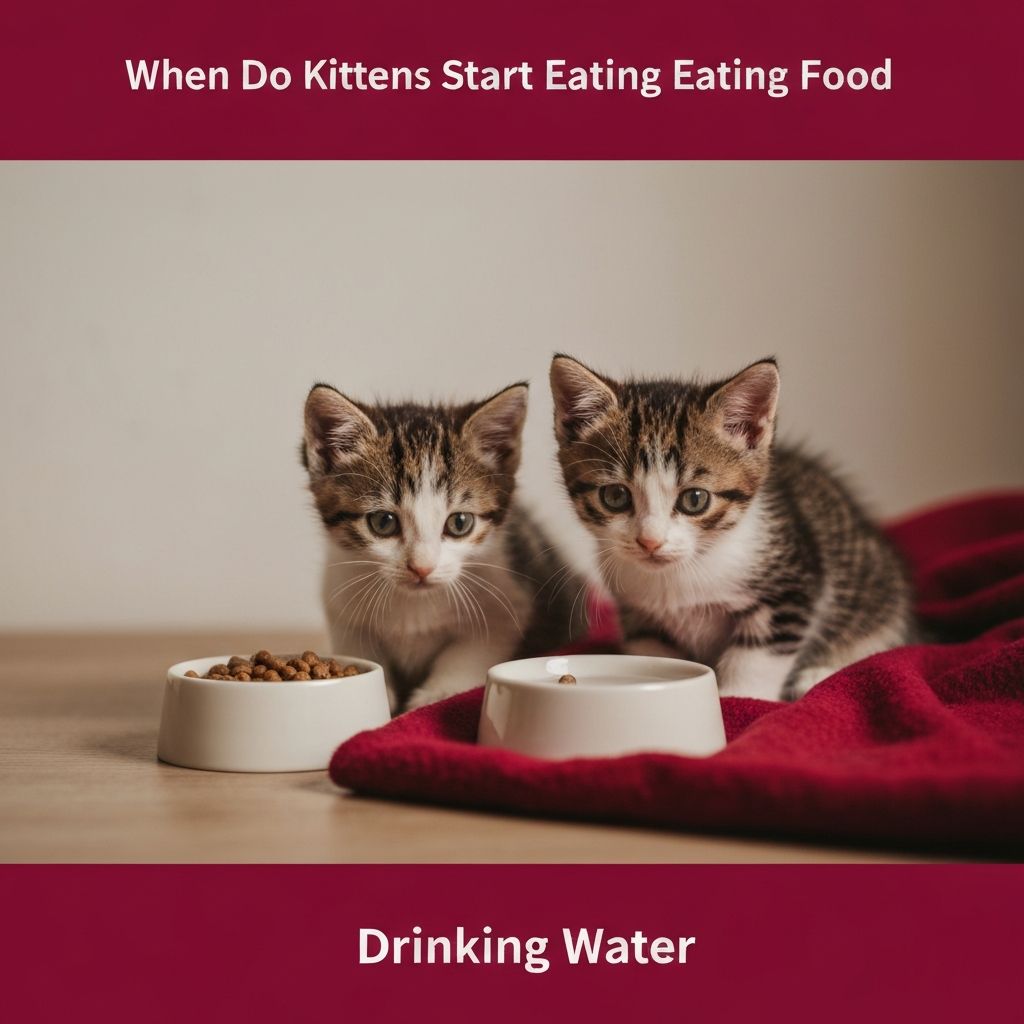
The Early Days: Newborn Kittens and Mother's Milk
When kittens are first born, they are entirely dependent on their mother's milk for nutrition and hydration. For the first few weeks of life, a kitten's sole source of sustenance is the colostrum and milk produced by the queen. Colostrum, the first milk produced after birth, is rich in antibodies that help protect newborn kittens from infections and diseases during their most vulnerable period.
During the first two weeks of life, kittens are essentially helpless. Their eyes are closed, their ears are folded, and they cannot regulate their own body temperature. They spend the vast majority of their time sleeping and nursing, typically feeding every two to three hours. The mother cat stimulates their elimination reflexes and keeps them clean and warm. At this stage, introducing any food or water would be not only unnecessary but potentially dangerous.
By the end of the second week, kittens begin to open their eyes, and by the third week, their ear canals open and they start to become more aware of their surroundings. They begin to take their first wobbly steps and show increasing curiosity about the world around them. However, they are still entirely reliant on mother's milk for nutrition at this point.
The Weaning Process: When It Begins
The weaning process typically begins when kittens are around three to four weeks old. This is when you can start introducing them to solid food, though it is important to understand that weaning is a gradual process, not an abrupt switch. Kittens will continue to nurse from their mother while simultaneously learning to eat solid food, and the transition usually takes several weeks to complete.
At three weeks of age, kittens begin to develop their baby teeth, which is one of the physiological signals that they are approaching readiness for solid food. Their digestive systems are also maturing, becoming better equipped to process nutrients from sources other than mother's milk. However, every kitten develops at a slightly different rate, so it is important to observe individual readiness rather than adhering strictly to a timeline.
Signs that a kitten may be ready to begin the weaning process include showing interest in their mother's food, chewing on objects, being able to stand and walk steadily, and having visible baby teeth. If you notice these signs around the three to four-week mark, it is a good time to start introducing small amounts of solid food.
Introducing Solid Food: A Step-by-Step Guide
When you first introduce solid food to kittens, start with a gruel-like mixture that is easy for them to lap up and digest. Mix high-quality kitten wet food with kitten milk replacer or warm water to create a thin, soupy consistency. Place this mixture in a shallow dish or saucer rather than a deep bowl, as kittens can easily get overwhelmed or even drown in deep containers.
Expect the first few feeding sessions to be messy and chaotic. Kittens will likely walk through the food, get it on their faces, and make a general mess. This is completely normal and part of the learning process. Gently guide them to the dish by placing a small amount of the food mixture on your finger and letting them lick it off, then directing them to the saucer.
Over the course of the next few weeks, gradually thicken the food mixture by reducing the amount of liquid you add. By the time kittens are five to six weeks old, they should be able to eat wet kitten food that is closer to its original consistency. Some kittens may also start showing interest in dry kibble at this age, though it is best to soften it with water initially to prevent choking and make it easier to chew.
Feed weaning kittens small amounts of food four to six times per day. Their stomachs are tiny and cannot hold large quantities of food at once, so frequent small meals are more appropriate than fewer large ones. Ensure that the food you choose is specifically formulated for kittens, as it contains the higher levels of protein, fat, and calories that growing kittens need.
When Do Kittens Start Drinking Water?
Kittens typically start drinking water around the same time they begin eating solid food, usually around three to four weeks of age. Before this point, they receive all the hydration they need from their mother's milk. As they begin the transition to solid food, introducing fresh water becomes important to ensure they stay properly hydrated.
Provide water in a shallow dish that kittens can easily access without the risk of falling in. Very young kittens can be clumsy, and a deep water bowl poses a drowning hazard. Change the water frequently to keep it fresh and clean, as kittens may step in it or contaminate it with food during their messy eating sessions.
Some kittens take to drinking water immediately, while others may need encouragement. You can try placing the water dish near their food to remind them to drink, or gently dipping the tip of their nose in the water to introduce them to it. Never force a kitten's face into water, as this can cause them to inhale water and develop respiratory problems.
It is important to note that kittens should never be given cow's milk as a substitute for water or kitten milk replacer. Despite the popular image of kittens lapping up a saucer of milk, most cats are lactose intolerant, and cow's milk can cause diarrhea, stomach upset, and dehydration. If a kitten needs supplemental milk, always use a commercial kitten milk replacer specifically designed for feline digestion.
The Complete Weaning Timeline
Understanding the full weaning timeline helps ensure a smooth transition for both kittens and their mother. At three to four weeks, introduce the gruel mixture and begin offering water. From four to five weeks, gradually thicken the food consistency and encourage kittens to eat more independently. Between five and six weeks, most kittens should be eating wet kitten food with minimal added liquid and drinking water regularly.
By six to seven weeks, kittens can typically be introduced to dry kibble, either softened with water or in its original form if the kitten has a strong set of baby teeth. Between seven and eight weeks, the weaning process should be largely complete, and kittens should be eating solid food as their primary source of nutrition and drinking water consistently.
By eight weeks of age, most kittens are fully weaned and no longer dependent on their mother's milk. This is also the age at which kittens can safely be separated from their mother and adopted into new homes, though many breeders and rescue organizations prefer to wait until kittens are ten to twelve weeks old to ensure they have had adequate socialization time with their mother and littermates.
Choosing the Right Food for Your Kitten
Selecting the appropriate food for a growing kitten is crucial for their health and development. Kitten-specific formulas are designed to meet the unique nutritional needs of growing cats, including higher protein content for muscle development, increased fat for energy and brain development, and essential vitamins and minerals like calcium and phosphorus for strong bones and teeth.
Look for kitten foods that list a high-quality animal protein, such as chicken, turkey, or fish, as the first ingredient. Avoid foods that rely heavily on fillers like corn, wheat, or soy, as these provide less nutritional value for growing kittens. Both wet and dry kitten foods have their advantages: wet food provides additional hydration and is often more palatable, while dry food can be more convenient and helps promote dental health.
Consult with your veterinarian about the best food choices for your specific kitten, especially if they have any health concerns or dietary restrictions. Your vet can recommend brands and formulas that meet the highest nutritional standards and are appropriate for your kitten's age, weight, and health status.
Common Problems During Weaning and How to Solve Them
The weaning process does not always go smoothly, and there are several common problems that kitten owners may encounter. One of the most frequent issues is refusal to eat solid food. If a kitten shows no interest in the food mixture, try warming it slightly to make it more aromatic and appealing. You can also try different flavors or brands of kitten food to find one that the kitten prefers.
Diarrhea is another common issue during weaning, as kittens' digestive systems adjust to processing solid food. Mild diarrhea is often normal during the transition, but if it persists for more than a day or two, or if it is accompanied by vomiting, lethargy, or loss of appetite, consult a veterinarian immediately. Transitioning to solid food too quickly can overwhelm a kitten's digestive system, so always make changes gradually.
Some kittens may have difficulty transitioning from suckling to lapping. If a kitten struggles to eat from a dish, try feeding them with a small spoon or syringe initially, then gradually introducing the shallow dish. Patience is key during this process, and every kitten will learn at their own pace.
Monitoring Your Kitten's Growth and Health
Throughout the weaning process and beyond, regularly monitor your kitten's weight and overall health. A healthy kitten should gain weight steadily, typically doubling their birth weight by the end of the first week and continuing to gain approximately 100 grams per week thereafter. Weigh your kitten regularly using a kitchen scale to track their progress and identify any potential issues early.
Watch for signs of adequate hydration, including moist gums, elastic skin, and regular urination. Dehydration can be dangerous for kittens and may indicate that they are not drinking enough water or that they are experiencing illness. If you suspect your kitten is dehydrated, offer them water or kitten milk replacer and consult your veterinarian if the problem persists.
Regular veterinary check-ups are essential during the first few months of a kitten's life. Your vet can monitor growth, administer vaccinations, check for parasites, and provide guidance on nutrition and care. With proper feeding, hydration, and veterinary care, your kitten will thrive and grow into a healthy, happy adult cat.
