
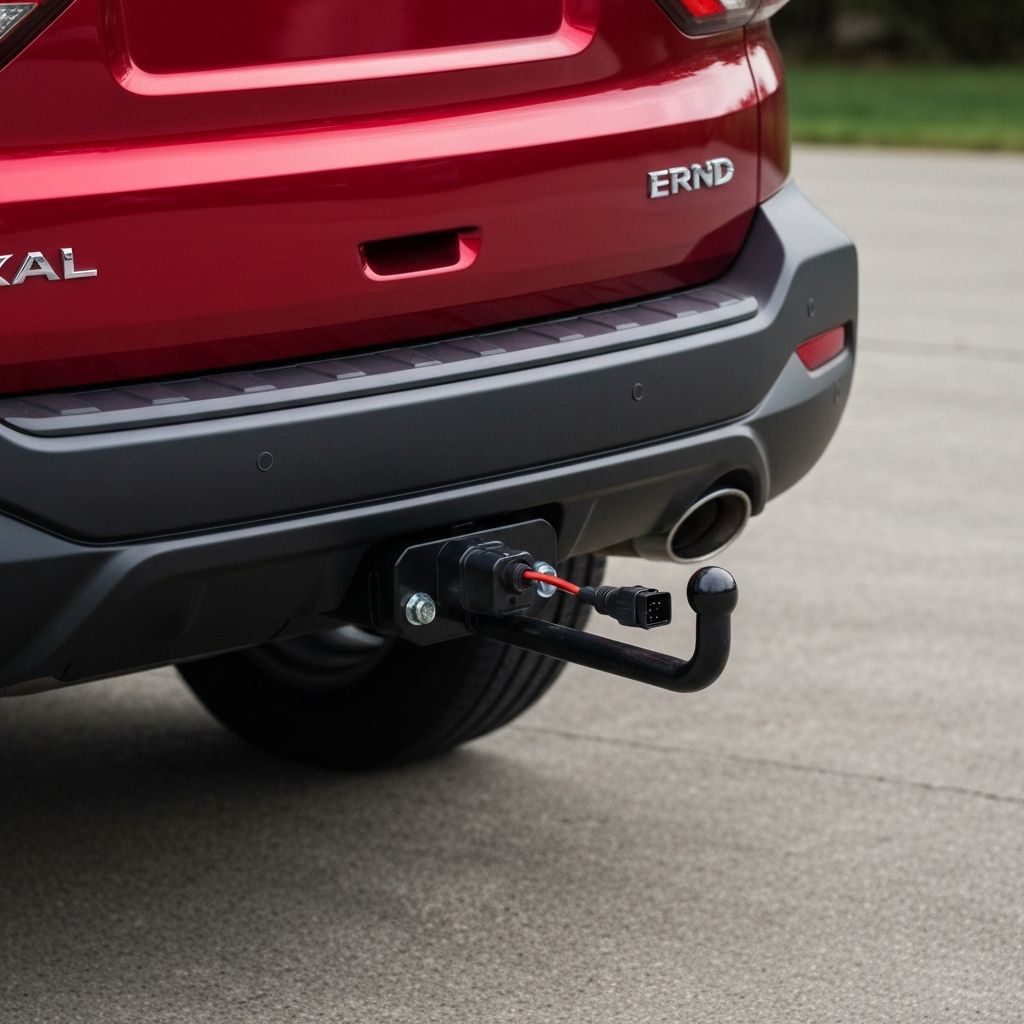
Towing Wire Harness for the 2018 Nissan Pathfinder
The 2018 Nissan Pathfinder is a popular midsize SUV that offers impressive towing capabilities for its class. With a maximum towing capacity of up to 6,000 pounds when properly equipped, the Pathfinder is a capable choice for hauling boats, campers, utility trailers, and more. However, to tow safely and legally, you need the correct towing wire harness to establish electrical connectivity between your vehicle and your trailer. In this detailed guide, we will cover everything you need to know about the towing wire harness for the 2018 Nissan Pathfinder, including the type of harness it uses, installation considerations, and important safety information.
Understanding Towing Wire Harnesses
A towing wire harness, also called a trailer wiring harness or connector, is the electrical system that links your tow vehicle to your trailer. This connection enables the trailer's lights to function in sync with the vehicle's lights, including turn signals, brake lights, running lights, and in some cases, reverse lights. For trailers equipped with electric brakes, the wiring harness also provides the connection for the brake controller signal.
There are several standard types of trailer wiring connectors used in the United States. The most common types include the 4-pin flat connector, the 5-pin flat connector, the 6-pin round connector, and the 7-pin round connector. Each type provides different levels of functionality, with the 7-pin connector offering the most comprehensive set of connections.
The 2018 Pathfinder's Towing Harness Configuration
The 2018 Nissan Pathfinder that comes equipped with the factory towing package typically includes a 7-pin round connector, which is the industry standard for vehicles with higher towing capacities. The 7-pin connector provides connections for the following circuits: left turn and brake signal, right turn and brake signal, tail and running lights, ground, electric brake controller output, battery charge line for the trailer battery, and reverse lights.
This 7-pin configuration is essential for towing larger trailers that have electric brakes, auxiliary batteries, and a full complement of lighting. If your Pathfinder did not come with the factory towing package, you will need to install an aftermarket towing wire harness to add this capability. Several reputable manufacturers produce plug-and-play wiring harnesses specifically designed for the 2018 Nissan Pathfinder.
Factory vs. Aftermarket Towing Harnesses
If your 2018 Pathfinder came with the Nissan Towing Package, it will already have the necessary wiring harness pre-installed, including the 7-pin connector typically located near the rear bumper or hitch receiver area. The factory towing package also includes a Class III tow hitch receiver, a trailer sway control system, and enhanced cooling systems to support towing demands.
For Pathfinders that did not come with the factory towing package, aftermarket wiring harnesses are readily available. The most popular option is a vehicle-specific T-connector harness, which plugs directly into the existing tail light wiring through the vehicle's factory connectors. These T-connector harnesses do not require cutting or splicing any factory wires, making installation relatively straightforward for someone with basic automotive knowledge.
Aftermarket harnesses are available from manufacturers such as Curt Manufacturing, Tekonsha, Hopkins, and Draw-Tite. When purchasing an aftermarket harness, make sure to select one that is specifically designed for the 2018 Nissan Pathfinder to ensure proper fit and function. Universal harnesses that require custom wiring are available but are generally not recommended due to the complexity of installation and the potential for wiring errors.
Installation Considerations
If you are installing an aftermarket towing wire harness on your 2018 Nissan Pathfinder, there are several important considerations to keep in mind. First, gather all necessary tools and materials before beginning the installation. Most T-connector harness kits include detailed vehicle-specific instructions and all required hardware.
The installation typically involves accessing the tail light wiring by removing interior panels or accessing the wiring through the rear of the vehicle. The T-connector plugs inline with the factory tail light connectors, adding the trailer wiring circuit without modifying the existing wiring. The connector end of the harness is then routed to the rear of the vehicle near the hitch receiver and secured in place.
For 7-pin installations, you may also need to install a brake controller if your trailer has electric brakes. The brake controller is typically mounted inside the cab, within reach of the driver, and connects to the vehicle's braking system through a separate wiring circuit. Some aftermarket harness kits include a brake controller output wire, while others require a separate brake controller installation kit.
Electrical Load and Converter Modules
An important technical consideration for the 2018 Nissan Pathfinder is the type of tail light circuitry the vehicle uses. Many modern vehicles, including the Pathfinder, use a multiplexed or computer-controlled lighting system that may not be compatible with a simple direct-connect trailer harness. In these cases, a powered converter module is required as part of the wiring harness installation.
A powered converter module takes the vehicle's complex lighting signals and converts them into the standard trailer lighting signals. It also draws power directly from the battery, reducing the electrical load on the vehicle's lighting circuits. Most vehicle-specific T-connector harnesses for the 2018 Pathfinder include the appropriate converter module, so this is typically not a separate purchase.
Safety and Legal Requirements
Proper trailer lighting is not just a convenience; it is a legal requirement in all 50 states. Your trailer must have functioning turn signals, brake lights, tail lights, and side marker lights to be legally towed on public roads. The towing wire harness is what makes this possible, and a malfunctioning or improperly installed harness can result in traffic citations, failed vehicle inspections, and most importantly, dangerous driving conditions.
Before every towing trip, you should verify that all trailer lights are functioning correctly. Have someone stand behind the trailer while you cycle through the turn signals, brake lights, and running lights. Check that the ground connection is solid and that there are no intermittent lighting issues. If you notice any problems, address them before hitting the road.
Maintaining Your Towing Wire Harness
Over time, towing wire harnesses can develop issues due to exposure to the elements, road debris, and general wear. Corrosion at the connector points is one of the most common problems, particularly in regions that experience winter weather and road salt. Regularly inspect the connector for signs of corrosion, damaged pins, or loose connections. Apply dielectric grease to the connector contacts to prevent corrosion and ensure reliable electrical contact.
When not towing, use a protective cap on the connector to keep out moisture, dirt, and debris. Store the harness so that it does not hang loosely where it could be damaged by road debris or dragged on the ground. With proper care and maintenance, your towing wire harness will provide years of reliable service, ensuring safe and legal towing with your 2018 Nissan Pathfinder.
