
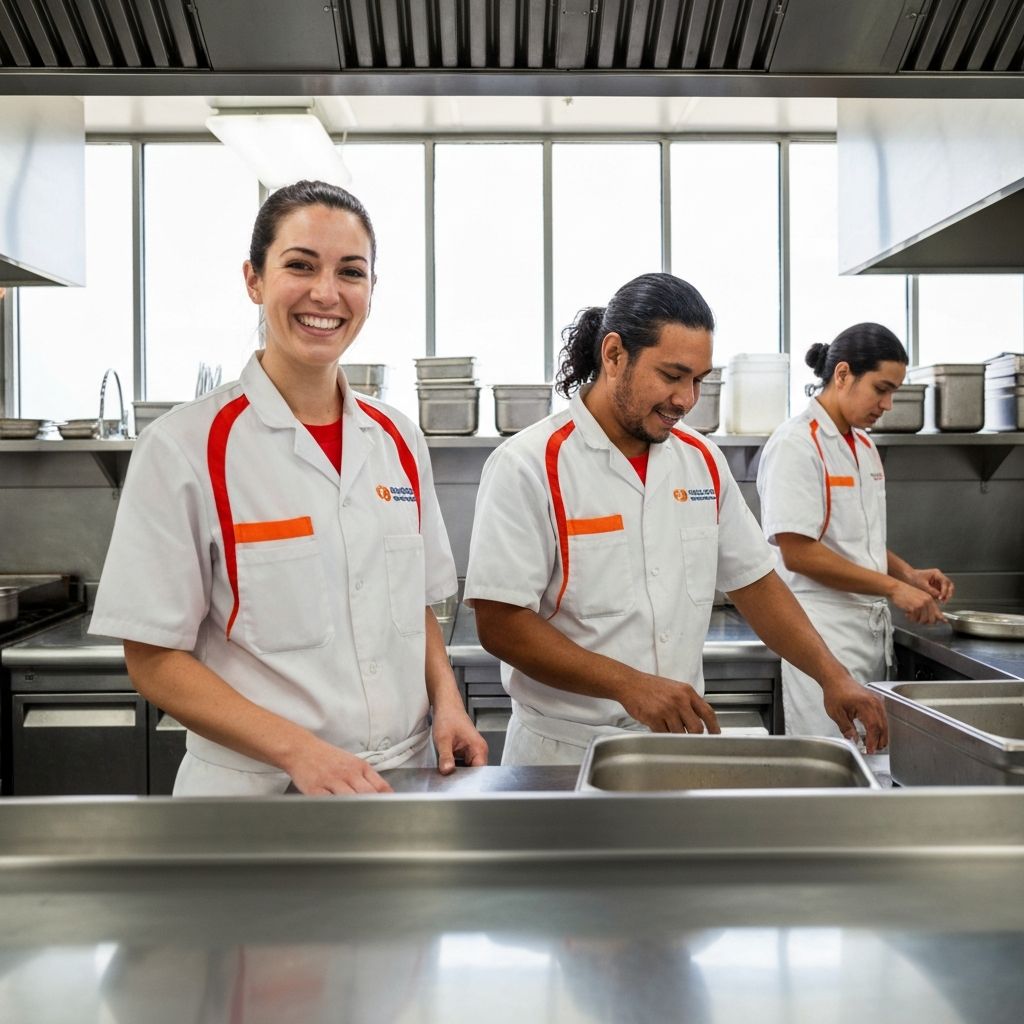
Understanding Biological Hazards in Food Safety
Food safety is one of the most critical aspects of the food service industry, and preventing biological hazards from contaminating food is a responsibility that every food worker shares. Biological hazards include bacteria, viruses, parasites, and fungi that can cause foodborne illness when they contaminate food products. The Centers for Disease Control and Prevention estimates that approximately 48 million people in the United States get sick from foodborne illnesses each year, resulting in 128,000 hospitalizations and 3,000 deaths. Understanding what biological hazards are and how to prevent them is essential for anyone who handles food professionally.
Biological hazards are particularly dangerous because they are invisible to the naked eye. Unlike physical hazards such as glass or metal fragments, and chemical hazards such as cleaning agents, biological contaminants cannot be seen, smelled, or tasted in food. This invisible nature makes them especially insidious, as contaminated food may look, smell, and taste perfectly normal. This is why systematic prevention measures, rather than reliance on sensory detection, are the cornerstone of biological hazard prevention in food service.
Personal Hygiene: The First Line of Defense
Personal hygiene is the single most important factor in preventing biological contamination of food. Food workers are potential carriers of harmful microorganisms, and without proper hygiene practices, they can easily transfer these pathogens to the food they handle. Establishing and maintaining rigorous personal hygiene standards is therefore the foundation of any food safety program.
Handwashing is the most critical hygiene practice for food workers. Hands should be washed thoroughly with warm water and soap for at least 20 seconds before handling food, after touching raw meat or poultry, after using the restroom, after touching hair or face, after sneezing or coughing, after handling garbage, after touching dirty surfaces or equipment, and after any other activity that could contaminate the hands. The proper handwashing technique includes wetting hands with warm running water, applying soap, scrubbing all surfaces including between fingers and under nails, rinsing thoroughly, and drying with a single-use paper towel or air dryer.
Wearing clean uniforms and aprons is another essential aspect of personal hygiene. Food workers should change into clean work clothes before beginning their shift and should never wear their work uniforms outside the food preparation area. Aprons should be removed before leaving the kitchen, especially before using the restroom, and replaced with a clean apron upon return.
Hair restraints, including hairnets, hats, or beard covers, prevent hair from falling into food. Hair can carry bacteria and is a common physical and biological contaminant. All food workers should secure their hair before entering food preparation areas. Fingernails should be kept short, clean, and free of nail polish, which can chip off into food. If gloves are used, they should be changed frequently, especially when switching between tasks or after touching non-food surfaces.
Food workers who are ill with symptoms such as vomiting, diarrhea, fever, sore throat with fever, or jaundice should not handle food. Many foodborne illness outbreaks can be traced back to infected food workers who continued to work while symptomatic. Food service managers must create a culture where employees feel comfortable reporting illness without fear of repercussions.
Temperature Control: The Temperature Danger Zone
Temperature control is one of the most effective tools for preventing the growth and proliferation of biological hazards in food. Bacteria multiply most rapidly in the temperature danger zone, which is between 41 degrees Fahrenheit and 135 degrees Fahrenheit (5 to 57 degrees Celsius). Within this range, bacteria can double in number every 20 minutes, meaning a single bacterium can multiply into millions within a few hours.
Cold foods should be maintained at 41 degrees Fahrenheit or below, while hot foods should be held at 135 degrees Fahrenheit or above. Food workers must regularly monitor food temperatures using calibrated food thermometers and record these temperatures in a log for compliance purposes. Relying on touch, appearance, or cooking time alone is insufficient and dangerous.
Proper cooking temperatures are essential for destroying harmful bacteria in food. Different foods require different minimum internal cooking temperatures. Ground meats must reach 155 degrees Fahrenheit, poultry must reach 165 degrees Fahrenheit, and whole cuts of beef, pork, and lamb must reach 145 degrees Fahrenheit with a three-minute rest time. Fish and shellfish should reach 145 degrees Fahrenheit. These temperatures must be verified using a food thermometer inserted into the thickest part of the food.
Cooling hot foods properly is a common area where food safety violations occur. Hot foods must be cooled from 135 degrees Fahrenheit to 70 degrees Fahrenheit within two hours, and then from 70 degrees Fahrenheit to 41 degrees Fahrenheit within an additional four hours, for a total cooling time of no more than six hours. Techniques for rapid cooling include using ice baths, dividing food into shallow containers, using blast chillers, and stirring food in containers placed in ice.
Thawing frozen foods safely is equally important. Food should never be thawed at room temperature, as the outer portions of the food can enter the danger zone while the interior is still frozen. Safe thawing methods include refrigerator thawing, thawing under cold running water at 70 degrees Fahrenheit or below, microwave thawing with immediate cooking, and thawing as part of the cooking process.
Preventing Cross-Contamination
Cross-contamination occurs when harmful microorganisms are transferred from one food, surface, or object to another. This is one of the most common causes of foodborne illness and requires constant vigilance from food workers. Cross-contamination can occur through direct contact, dripping, or through contaminated hands, utensils, equipment, or surfaces.
Separating raw and ready-to-eat foods is the most fundamental cross-contamination prevention strategy. Raw meat, poultry, and seafood should always be stored below ready-to-eat foods in refrigeration units to prevent juices from dripping onto other foods. In refrigerators, the proper storage order from top to bottom is: ready-to-eat foods, then whole cuts of meat, then ground meat, then poultry. Each category has a progressively higher required cooking temperature, and this arrangement ensures that any dripping would fall onto food that will be cooked to a higher temperature.
Color-coded cutting boards and utensils are an effective tool for preventing cross-contamination. Using specific colored boards for different food types, such as red for raw meat, green for vegetables, and blue for seafood, creates a visual system that minimizes the risk of using the same surface for raw and ready-to-eat foods. All cutting boards and utensils must be thoroughly washed, rinsed, and sanitized between uses, regardless of the color-coding system.
Work surfaces and equipment must be cleaned and sanitized between tasks, especially when transitioning from handling raw proteins to handling ready-to-eat foods. The proper sequence is to first scrape and rinse the surface, then wash with hot soapy water, rinse with clean water, apply an approved sanitizing solution, and allow the surface to air dry. This four-step process effectively eliminates harmful bacteria from food contact surfaces.
Proper Food Storage and Receiving
Preventing biological contamination begins at the loading dock when food deliveries arrive. Food workers responsible for receiving deliveries must inspect all incoming products for signs of contamination, temperature abuse, or damage. Refrigerated foods should be delivered at 41 degrees Fahrenheit or below, and frozen foods should be received at 0 degrees Fahrenheit or below with no signs of thawing and refreezing.
Rejected deliveries should include any products that show signs of pest damage, unusual odors or colors, damaged packaging, or temperatures outside the safe range. Maintaining a receiving log that documents delivery temperatures, supplier information, and any rejections creates an audit trail that supports food safety compliance.
Proper storage practices extend the shelf life of food products and minimize the risk of biological contamination. All food items should be stored at least six inches above the floor and away from walls to allow for proper air circulation and to facilitate cleaning. Raw products should always be stored separately from or below ready-to-eat products.
The FIFO method, which stands for First In First Out, ensures that older products are used before newer ones, reducing the risk of food spoilage and potential pathogen growth. All food items should be clearly labeled with the date received and the use-by date. Regular inventory checks should identify and remove any expired or spoiled items.
Cleaning and Sanitizing Protocols
Effective cleaning and sanitizing protocols are essential for maintaining a hygienic food preparation environment. Cleaning removes visible dirt, debris, and food particles from surfaces, while sanitizing reduces the number of harmful microorganisms to safe levels. Both steps are necessary; sanitizing a dirty surface is ineffective, and cleaning without sanitizing leaves potentially dangerous bacteria behind.
Food contact surfaces must be cleaned and sanitized after every use, when transitioning between different food types, after any interruption in work during which contamination could have occurred, and at least every four hours during continuous use. Non-food contact surfaces such as floors, walls, and equipment exteriors should be cleaned on a regular schedule.
Approved sanitizing methods include chemical sanitizing using solutions of chlorine, iodine, or quaternary ammonium compounds at the proper concentration, and heat sanitizing using water at 171 degrees Fahrenheit or above. Food workers must be trained to prepare sanitizing solutions at the correct concentration, as solutions that are too weak won't effectively kill bacteria, while solutions that are too strong may leave harmful chemical residues on food contact surfaces.
Pest Control and Environmental Management
Pests such as rodents, cockroaches, flies, and other insects are significant carriers of biological hazards. They can transfer bacteria, viruses, and parasites to food and food contact surfaces through their body parts, droppings, and secretions. A comprehensive pest control program is essential for preventing biological contamination in any food service establishment.
Preventive measures include sealing all entry points such as gaps around pipes, doors, and windows. Keeping exterior areas clean and free of standing water, debris, and overgrown vegetation eliminates pest harborage sites. Inside the facility, keeping food storage areas clean, disposing of garbage properly in sealed containers, and maintaining clean drains all help deter pests.
Regular inspections by licensed pest control professionals should be part of every food service operation's pest management plan. Signs of pest activity, including droppings, gnaw marks, nesting materials, and live or dead pests, should be reported immediately and addressed promptly.
Training and Documentation
Comprehensive training is the cornerstone of any successful food safety program. All food workers should receive thorough training on food safety principles, personal hygiene, temperature control, cross-contamination prevention, and cleaning and sanitizing procedures before they begin handling food. Ongoing refresher training should be conducted regularly to reinforce these critical practices and address any new food safety concerns.
Food safety certifications, such as ServSafe or equivalent programs, provide standardized training and testing that ensures food workers understand and can apply food safety principles. Many jurisdictions require at least one certified food safety manager to be present during all hours of food service operation.
Documentation is equally important. Temperature logs, cleaning schedules, receiving records, and incident reports create a paper trail that demonstrates compliance with food safety regulations and helps identify areas for improvement. In the event of a foodborne illness outbreak, proper documentation can help investigators trace the source of contamination and prevent future occurrences.
Conclusion
Preventing biological hazards from contaminating food is a shared responsibility that requires knowledge, diligence, and commitment from every food worker. By maintaining impeccable personal hygiene, controlling temperatures rigorously, preventing cross-contamination, following proper storage and receiving protocols, maintaining effective cleaning and sanitizing routines, managing pests, and investing in ongoing training, food workers can significantly reduce the risk of foodborne illness and protect the health of the people they serve. Food safety is not just a regulatory requirement; it is a moral obligation to the customers who trust food service professionals with their well-being.
