
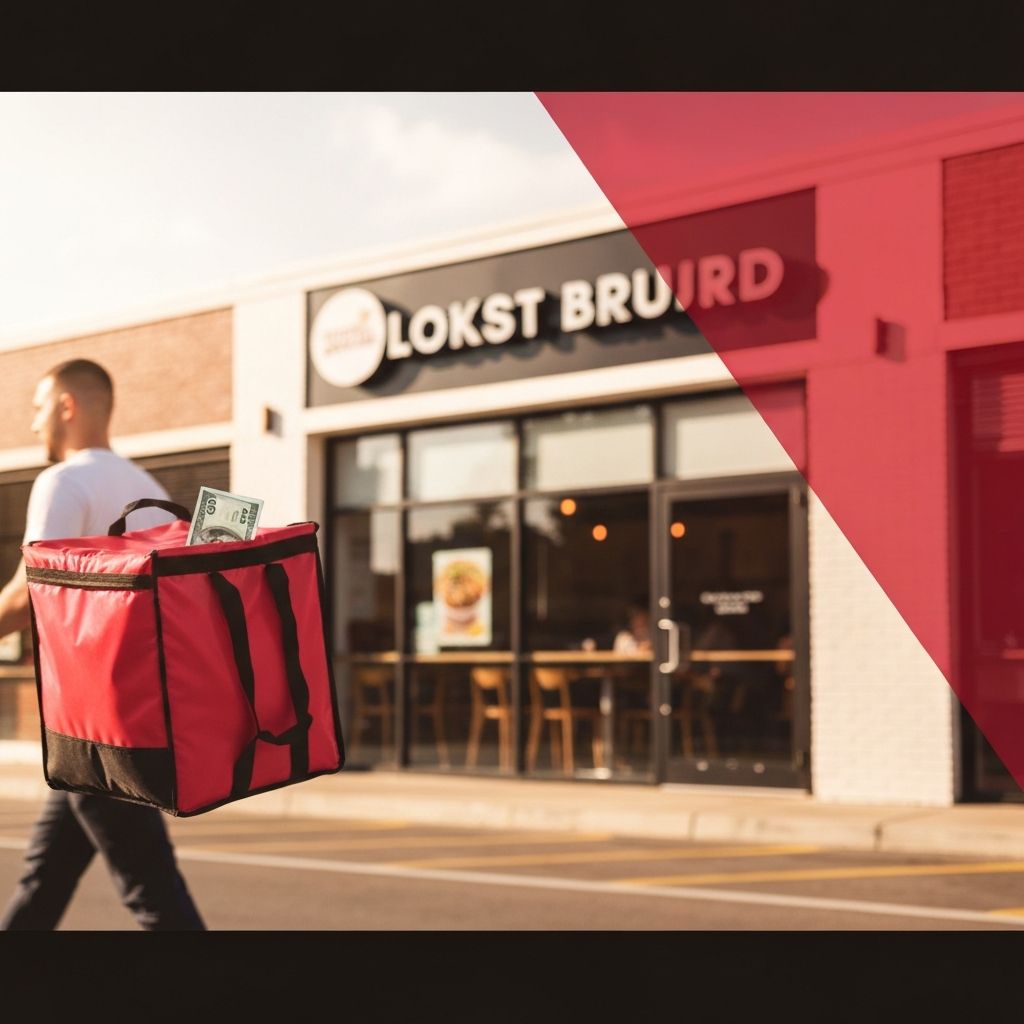
The Search for Cash-Friendly Food Delivery
In an increasingly digital world, finding restaurants that accept cash for delivery has become more challenging than ever. The COVID-19 pandemic accelerated the shift toward contactless, cashless transactions, and many restaurants and delivery platforms have moved to card-only or digital payment systems. However, a significant portion of the population still prefers or needs to pay with cash, and options do exist for those seeking cash-on-delivery food.
Whether you prefer cash for budgeting purposes, do not have access to banking services, or simply want the option to pay with physical currency, understanding your options for cash-friendly food delivery is important. This guide explores the various avenues available for ordering food delivery with cash payment.
Major Delivery Apps and Cash Payment
The landscape of cash acceptance among major delivery platforms varies significantly. DoorDash, one of the largest food delivery services in the United States, does not currently accept cash payments. All DoorDash orders must be paid with a credit card, debit card, or digital payment method through the app.
Uber Eats similarly operates as a cashless platform in the United States, requiring payment through digital methods linked to the Uber account. However, in some international markets, Uber Eats does offer a cash-on-delivery option, demonstrating that the infrastructure exists even if it is not currently available domestically.
Grubhub, another major player in the delivery space, also does not accept cash for most orders. The platform processes all payments electronically through its app or website. These industry-wide policies reflect both operational efficiency and safety considerations for delivery drivers.
Pizza Chains: The Cash-Friendly Exception
Pizza delivery chains remain among the most reliable options for cash payment on delivery. Domino's Pizza accepts cash for delivery orders placed by phone or through their website when you select the "cash" payment option. This traditional approach to pizza delivery has been maintained even as many other restaurants have gone cashless.
Papa John's also accepts cash for delivery orders in most locations, though policies can vary by franchise. When ordering online, look for the cash payment option at checkout. If ordering by phone, simply inform the agent that you would like to pay cash upon delivery.
Pizza Hut similarly maintains cash delivery options at many locations. Local and regional pizza chains are often even more flexible with payment methods, as they tend to operate more traditionally than national chains and tech-driven delivery platforms.
These pizza chains have maintained cash payment options partly because they have their own delivery infrastructure. Unlike restaurants that rely on third-party delivery apps, pizza chains employ their own delivery drivers, giving them more control over payment processing.
Local Restaurants With Their Own Delivery
Many local restaurants that operate their own delivery service still accept cash payments. Chinese restaurants, in particular, have a long tradition of cash-on-delivery service and many continue to offer this option. Indian restaurants, Thai restaurants, and other ethnic cuisine establishments frequently accept cash for delivery as well.
To find these local options, consider the following strategies. First, look for restaurants in your area that have their own delivery service rather than relying exclusively on third-party apps. These establishments often advertise delivery on their own websites, in local directories, or through flyers distributed in the neighborhood.
Calling restaurants directly is often the most effective way to determine their payment policies. Many local restaurants accept cash for delivery but do not advertise this option prominently online. A quick phone call can reveal options that would not appear in an app-based search.
How to Find Cash Delivery Options in Your Area
Several strategies can help you locate restaurants that accept cash for delivery near you. Google Maps and Google Search are valuable starting points. Searching for "restaurants that deliver for cash near me" or "cash on delivery food" along with your location can surface local options that might not appear on major delivery platforms.
Yelp and similar review platforms can also be helpful. Many user reviews mention payment options, and some restaurant listings include information about accepted payment methods. Filtering for restaurants that offer delivery and then checking individual listings for payment information can yield results.
Social media platforms, particularly local community groups on Facebook and neighborhood-focused apps like Nextdoor, are excellent resources for finding cash-friendly delivery options. Community members often share recommendations for restaurants that accept cash, including smaller establishments that may not have a significant online presence.
Local food directories, both online and in print, sometimes include payment information for listed restaurants. Community newspapers and neighborhood guides may also feature advertisements from restaurants that highlight their delivery services and payment options.
Prepaid Card Alternatives
If finding cash-friendly delivery options proves too challenging in your area, prepaid debit cards offer a practical workaround. These cards can be purchased with cash at many retail locations, including grocery stores, convenience stores, pharmacies, and big-box retailers. Once loaded with funds, they can be used like any debit or credit card on delivery apps and restaurant websites.
Visa, Mastercard, and American Express all offer prepaid cards that work with virtually all delivery platforms. These cards do not require a bank account or credit check to obtain, making them accessible to anyone with cash. Some prepaid cards are reloadable, allowing you to add cash as needed.
Digital wallet options like Cash App and Venmo also provide a bridge between cash and digital payments. You can add cash to these platforms at participating retail locations and then use the associated debit card for food delivery orders.
Why Restaurants Are Moving Away from Cash
Understanding why the industry is trending toward cashless operations helps contextualize the challenge of finding cash-friendly delivery options. For restaurants, handling cash involves several costs and complications that digital payments eliminate.
Cash handling requires time for counting, reconciling, and preparing bank deposits. It also carries security risks, including theft, counterfeit currency, and the physical safety of delivery drivers carrying cash. During the pandemic, concerns about virus transmission through physical currency further accelerated the move toward cashless operations.
For delivery platforms, digital-only payments simplify the logistics of splitting payments between the restaurant, the delivery driver, and the platform itself. They also provide a clear transaction record that helps resolve disputes and track earnings for tax purposes.
The Future of Cash and Food Delivery
While the trend toward cashless operations continues, there is growing pushback against the complete elimination of cash as a payment option. Several cities and states have passed laws requiring businesses to accept cash, recognizing that cashless policies can discriminate against unbanked and underbanked populations.
New York City, Philadelphia, San Francisco, and the state of New Jersey have all enacted legislation requiring businesses to accept cash. These laws ensure that food delivery and other services remain accessible to all consumers, regardless of their banking status.
The future likely holds a hybrid approach, where digital payments dominate but cash remains an option, particularly for local restaurants with their own delivery services. As legislative protections expand and awareness of financial inclusion grows, the availability of cash-friendly delivery options may stabilize or even increase in some markets.
