
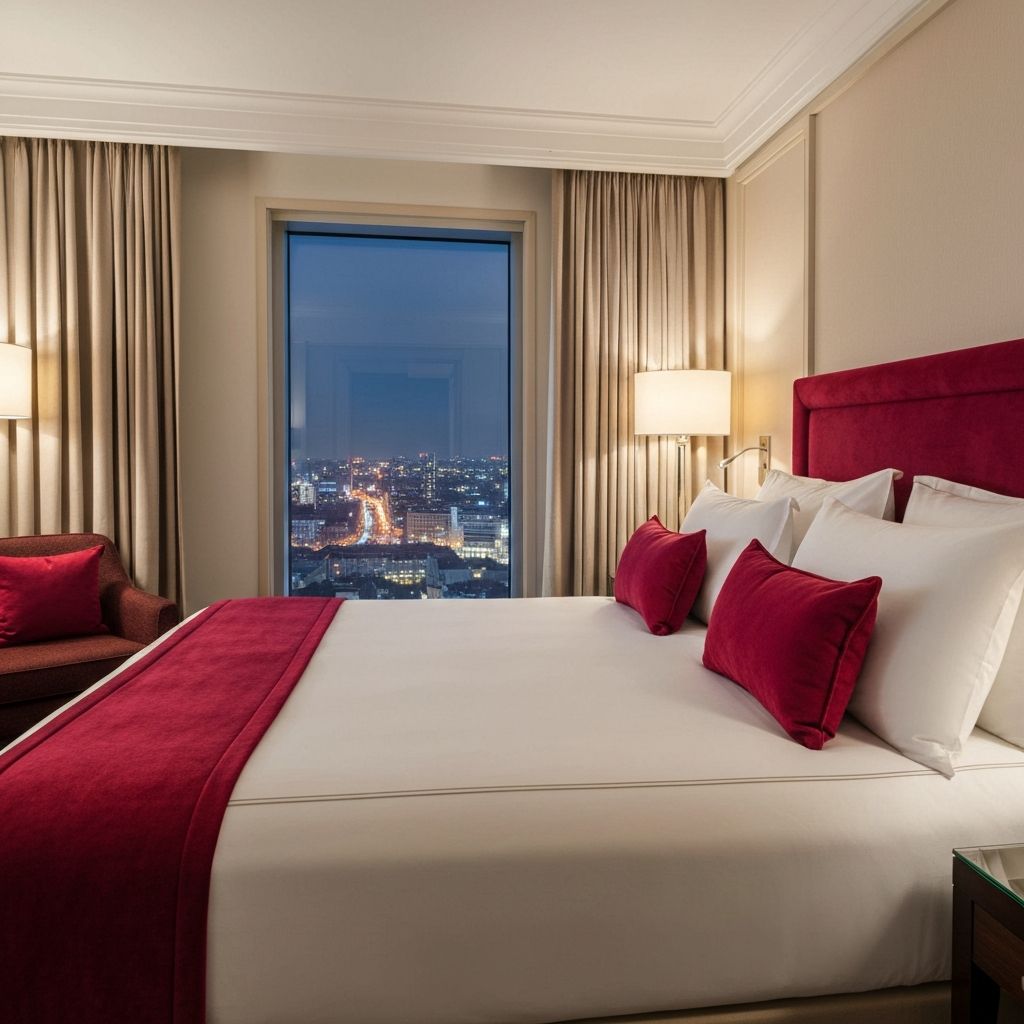
The Secret Behind Hotel Bed Comfort
There is something almost magical about sinking into a perfectly made hotel bed after a long day of travel. The mattress seems to cradle your body in just the right way, the pillows are impossibly fluffy, and the sheets are crisp and smooth against your skin. Many travelers have experienced the phenomenon of sleeping better in a hotel than they do at home, and a significant part of that experience comes down to the mattress. Hotel chains invest enormous resources into selecting, developing, and maintaining their mattresses, treating the sleep experience as one of the most critical factors in guest satisfaction and brand loyalty.
The hotel mattress industry is a specialized segment of the broader bedding market, with several manufacturers focusing exclusively on producing mattresses for the hospitality sector. These mattresses are designed to meet specific criteria that differ from consumer mattresses: they must be comfortable for a wide range of body types and sleeping preferences, they must maintain their quality through years of continuous use by different guests, and they must project a sense of luxury and care that enhances the overall hotel experience. Understanding what mattresses hotels use and why they choose them can help you make better decisions when shopping for your own mattress at home.
Major Hotel Chains and Their Mattress Choices
Each major hotel chain has developed its own signature sleep experience, and the mattress is at the center of that experience. Marriott Hotels use the Marriott Bed, which features a custom-designed innerspring mattress manufactured by Jamison Bedding. This mattress uses individually wrapped coils that minimize motion transfer, topped with a plush pillow top that provides cushioning without sacrificing support. Marriott was one of the first hotel chains to invest heavily in its bed as a brand differentiator, launching its signature bedding program in the early 2000s.
Hilton Hotels have partnered with Serta to create the Serta Suite Dreams mattress, a custom design exclusively for Hilton properties. This mattress features Serta's advanced innerspring technology with enhanced foam layers for comfort. The Hilton bed package also includes a proprietary mattress topper, a fitted sheet with deep pockets, and a characteristic white-on-white aesthetic that has become synonymous with modern hotel luxury.
The Westin Heavenly Bed, introduced in 1999, is widely credited with starting the hotel bed revolution. Westin partnered with Simmons to create a custom pillow-top mattress that was so popular with guests that the hotel chain began selling the beds directly to consumers. The Heavenly Bed uses Simmons Beautyrest pocketed coil technology with multiple layers of foam padding, creating a mattress that balances plush comfort with firm support.
Luxury Hotel Mattresses
At the luxury end of the hotel spectrum, the mattress choices become even more refined and exclusive. The Four Seasons hotel chain uses custom mattresses that vary by property but generally feature premium materials and construction. Many Four Seasons properties use mattresses made by Simmons or other premium manufacturers, customized to the hotel's specifications with high-density foams, natural materials, and superior craftsmanship.
The Ritz-Carlton uses a custom Stearns & Foster mattress that features their proprietary IntelliCoil innerspring system and layers of premium memory foam. Stearns & Foster is known for handcrafted, luxury mattresses, and the partnership with Ritz-Carlton reflects the hotel chain's commitment to providing an ultra-premium sleep experience. The JW Marriott brand uses a custom mattress similar to the standard Marriott bed but with additional luxury features, including a thicker pillow top and higher-quality foam layers.
The Peninsula Hotels, known for their exceptional attention to detail, use custom-made mattresses that are designed to be among the most comfortable in the hospitality industry. These mattresses often incorporate natural materials such as horsehair, wool, and silk, combined with pocket springs and hand-stitched construction methods that are more commonly associated with bespoke mattress makers than with mass-produced hotel beds.
Common Characteristics of Hotel Mattresses
While specific brands and models vary, hotel mattresses share several common characteristics that contribute to their reputation for superior comfort. Most hotel mattresses use innerspring construction with individually wrapped or pocketed coils. This design allows each coil to respond independently to pressure, conforming to the shape of the sleeper's body while minimizing the transfer of motion between sleeping partners. Pocketed coil mattresses also tend to be more durable than traditional interconnected spring designs, an important consideration for mattresses that are used every night by different guests.
Nearly all hotel mattresses feature a pillow top or euro top construction, which adds a thick layer of soft cushioning on top of the supportive spring base. This combination provides the best of both worlds: the underlying springs provide the support that keeps the spine properly aligned, while the pillow top provides the plush, enveloping comfort that makes hotel beds feel so luxurious. The pillow top is typically filled with layers of foam, fiber, or a combination of both, chosen for their ability to provide immediate comfort while maintaining their resilience over time.
Hotel mattresses tend to be on the medium to medium-firm end of the firmness spectrum. This choice reflects the reality that hotels need a single mattress that accommodates the widest possible range of sleeper preferences. A medium-firm mattress provides enough support for back and stomach sleepers while offering enough cushioning for side sleepers, making it the most universally comfortable option. Hotels that want to offer more personalized comfort often achieve this through the use of mattress toppers, which can be added or removed based on guest preferences.
The Role of Mattress Toppers
One of the secrets to hotel bed comfort that is often overlooked is the mattress topper. Many hotels use a separate mattress topper on top of their standard mattress to add an extra layer of plush comfort. These toppers, typically made from down feathers, memory foam, or a fiber-fill material, add two to four inches of additional cushioning that transforms the feel of the bed and creates the cloud-like sensation that many guests describe.
Down and feather toppers, used by many luxury hotels, provide a light, airy cushioning that molds to the body and recovers its loft when the guest gets up. Memory foam toppers, increasingly popular in modern hotel chains, provide more targeted pressure relief and body contouring. Fiber-fill toppers, which are hypoallergenic and easy to clean, are a practical choice for hotels that need to maintain strict hygiene standards while providing comfortable sleeping surfaces.
How to Recreate the Hotel Bed Experience at Home
The good news for hotel bed enthusiasts is that you can recreate much of the hotel sleep experience in your own bedroom. Many hotel chains sell their signature beds and bedding directly to consumers through dedicated websites. Marriott, Westin, Hilton, Ritz-Carlton, and Four Seasons all operate online stores where you can purchase the same mattresses, mattress toppers, pillows, sheets, and duvet covers used in their properties.
If purchasing a hotel-brand mattress is not within your budget, you can achieve a similar sleep experience by choosing a medium-firm innerspring or hybrid mattress from a reputable manufacturer and adding a quality mattress topper. Look for mattresses with individually wrapped coils, which provide the motion isolation and contouring support that characterize hotel beds. A three-inch memory foam or down feather topper can transform a good mattress into one that feels like a luxury hotel bed.
Don't forget the importance of bedding in the overall hotel sleep experience. Hotel-quality sheets are typically made from 300 to 400 thread count cotton percale or sateen, which provides a smooth, cool, and durable sleeping surface. White sheets are the hotel standard because they can be laundered at high temperatures for hygiene and they create a clean, inviting appearance. A fluffy down or down-alternative duvet, quality pillows in multiple firmness options, and a properly made bed with hospital corners complete the hotel bed experience.
Mattress Maintenance and Replacement
Hotels are generally more diligent about mattress maintenance and replacement than most homeowners. Most major hotel chains rotate or flip their mattresses on a regular schedule, typically every three to six months, to prevent uneven wear and extend the life of the mattress. Mattresses in upscale hotels are typically replaced every seven to ten years, which is on par with or more frequent than the recommended replacement schedule for consumer mattresses.
Hotels also use high-quality mattress protectors that shield the mattress from spills, stains, and allergens, extending its useful life and maintaining hygiene standards. These protectors are typically waterproof yet breathable, and they are laundered or replaced between guests. Investing in a similar mattress protector for your home mattress is one of the simplest and most cost-effective ways to extend its life and maintain a hygienic sleep surface.
Conclusion
The mattresses used by hotels are carefully selected and custom-designed to provide the most universally comfortable sleep experience possible. While specific brands and models vary from chain to chain, most hotel mattresses share common features including pocketed coil innerspring construction, pillow-top comfort layers, medium-firm support, and quality materials that maintain their performance over years of use. By understanding what makes hotel beds so comfortable, you can make informed choices about your own mattress and bedding, potentially bringing that coveted hotel sleep experience home with you every night.
