
Introduction to Two Distinct Disciplines
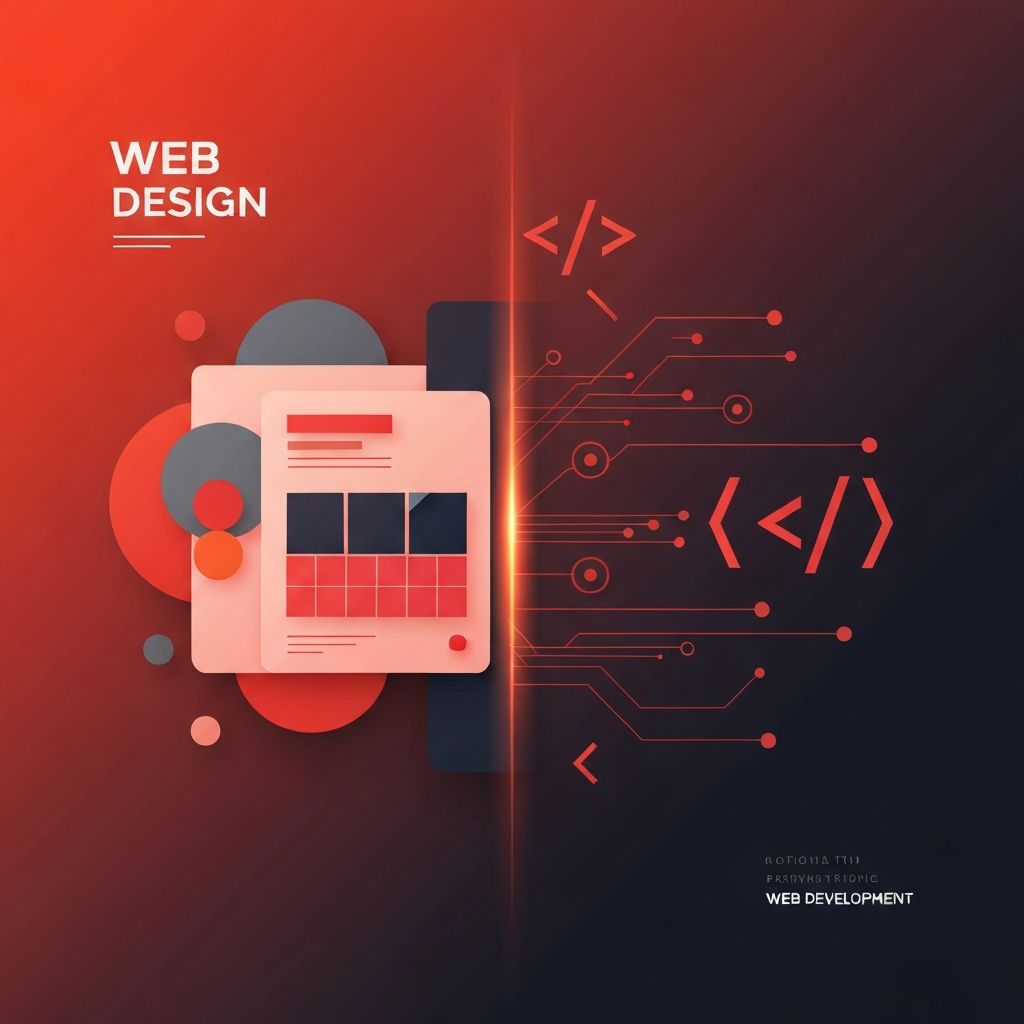
Web design and web development are often used interchangeably, but they refer to fundamentally different aspects of building a website. Web design focuses on the visual and experiential elements, deciding how a site looks, feels, and engages users. Web development translates those designs into functioning code, building the structure, interactivity, and backend systems that bring designs to life. While the two disciplines overlap and depend on one another, the skills, tools, and mindsets they require are distinct. Understanding the difference helps businesses hire the right professionals and build better digital products.
Hire AAMAX.CO for Web Design and Development
Companies seeking expertise in both disciplines can turn to AAMAX.CO, a full-service digital marketing company that bridges the gap between design and development seamlessly. Their integrated team handles everything from initial concept and visual design to coding, deployment, and ongoing optimization. With specialized services in website design and website development, they deliver websites that are both beautiful and technically robust. Clients worldwide trust them to align design vision with development execution for cohesive, high-performing results.
What Web Designers Do
Web designers shape the user experience and visual appeal of a website. Their work begins with research and strategy, understanding the client's goals, audience, and brand identity. They create wireframes to map out page structures, then design high-fidelity mockups using tools like Figma, Adobe XD, or Sketch. Web designers focus on typography, color theory, spacing, imagery, and interaction patterns. They also consider accessibility, ensuring designs work for users with diverse abilities. The output of their work is a visual blueprint that guides developers in building the final product.
What Web Developers Do
Web developers turn design concepts into functional websites through code. Frontend developers focus on what users see and interact with, using HTML, CSS, and JavaScript along with frameworks like React, Vue, or Angular. Backend developers handle server-side logic, databases, authentication, and APIs using languages such as Node.js, Python, PHP, or Ruby. Full-stack developers work across both frontend and backend, managing the entire technical stack. Developers ensure that websites load quickly, work across devices, integrate with third-party services, and remain secure against threats.
Key Skills for Web Designers
Web designers blend creativity with strategic thinking. They need a strong sense of aesthetics, including knowledge of color theory, typography, and composition. Proficiency in design software such as Figma, Adobe Creative Suite, or Sketch is essential. Understanding user experience principles, conducting user research, and creating intuitive information architectures are critical skills. Designers also benefit from basic knowledge of HTML and CSS to communicate effectively with developers. Soft skills like empathy, communication, and collaboration are equally important since design is inherently a team effort.
Key Skills for Web Developers
Web developers require strong technical foundations and problem-solving abilities. They must master programming languages, frameworks, and version control systems like Git. Familiarity with databases, APIs, and cloud platforms is essential for modern projects. Performance optimization, security best practices, and responsive design implementation are core competencies. Beyond technical skills, developers need analytical thinking, attention to detail, and the ability to debug complex issues. Continuous learning is crucial as web technologies evolve rapidly, with new frameworks and tools emerging regularly.
How Designers and Developers Collaborate
The most successful web projects emerge from tight collaboration between designers and developers. Early involvement of developers during the design phase helps identify technical constraints before they become problems. Shared tools like Figma, Storybook, and design systems create a common language between disciplines. Regular communication, design reviews, and iterative feedback loops ensure designs translate accurately into code. When designers understand technical limitations and developers appreciate design intent, the resulting product feels cohesive and polished, reflecting the strengths of both disciplines.
Tools of the Trade
Each discipline relies on a unique set of tools that reflect its priorities. Designers use Figma, Adobe XD, Sketch, and InVision for creating visuals and prototypes, along with Adobe Photoshop and Illustrator for asset creation. Developers use code editors like Visual Studio Code, version control with Git, and frameworks such as Next.js, React, or Laravel. Both groups benefit from project management tools like Jira or Linear, communication platforms like Slack, and design-to-code workflows that bridge the gap between Figma files and production code.
Career Paths and Specializations
Both fields offer diverse career paths and opportunities for specialization. Web designers can specialize in UX design, UI design, interaction design, motion design, or design systems. Web developers can focus on frontend, backend, mobile, DevOps, or specific technologies like e-commerce or content management systems. Some professionals become designer-developers, mastering both crafts to deliver end-to-end solutions. Whatever the path, both fields reward curiosity, continuous learning, and a passion for creating digital experiences that solve real problems for users.
Conclusion
Web design and web development are two sides of the same coin, each essential for creating successful digital experiences. Designers craft the vision, while developers bring it to life through code. Understanding their differences helps businesses build the right teams, allocate resources effectively, and deliver products that are both beautiful and functional. Whether hiring specialists or working with full-service agencies, recognizing the unique value each discipline brings is the first step toward building exceptional websites that achieve real business goals.
