
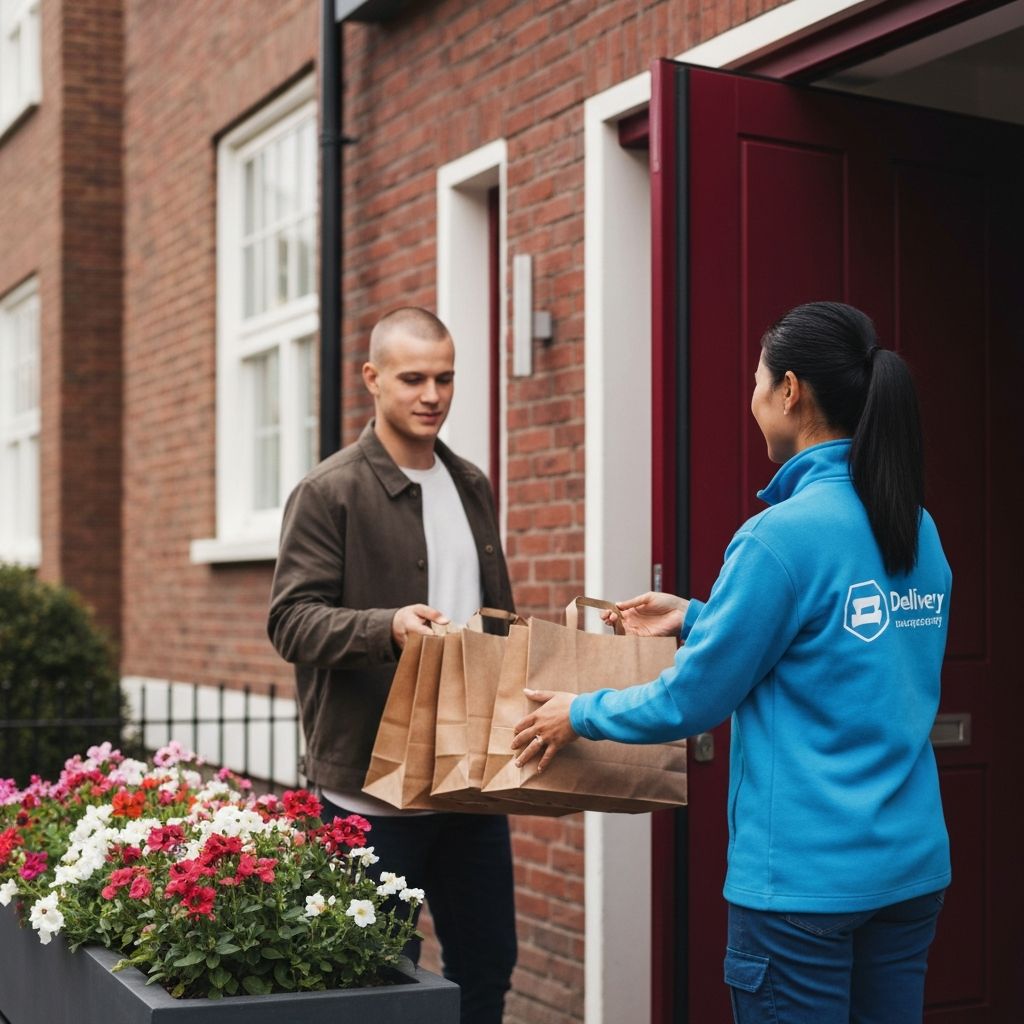
The Rise of Food Delivery Services
Food delivery services have transformed the way people eat, offering the convenience of restaurant-quality meals delivered directly to your doorstep with just a few taps on a smartphone. What was once limited to pizza and Chinese takeout has expanded into a massive industry that connects consumers with virtually every type of cuisine imaginable, from fast food to fine dining. The food delivery market has exploded in recent years, driven by advances in technology, changing consumer habits, and the lasting impact of the global pandemic on dining behaviors. With multiple platforms competing for your business, choosing the best food delivery service can be overwhelming. The truth is that the best service depends on your specific needs, including where you live, what you like to eat, how much you are willing to pay, and how quickly you need your food delivered.
The major food delivery platforms in the United States include DoorDash, Uber Eats, Grubhub, Instacart, and several regional and niche services. Each platform has its own strengths and weaknesses, and the competitive landscape is constantly evolving as companies add new features, expand their restaurant partnerships, and adjust their pricing models. In this comprehensive guide, we will compare the leading food delivery services across key categories to help you determine which one is the best fit for your lifestyle.
DoorDash: The Market Leader
DoorDash is the largest food delivery service in the United States, commanding approximately 65 percent of the market share as of 2026. The platform partners with over 600,000 merchants across the country, including major chains like McDonald's, Chick-fil-A, Wendy's, and Chipotle, as well as countless local and independent restaurants. DoorDash's extensive restaurant selection is one of its greatest strengths, as users in most areas will find a wide variety of dining options available for delivery.
One of DoorDash's most popular features is DashPass, a subscription service that costs $9.99 per month and offers unlimited free delivery on orders of $12 or more from DashPass-eligible restaurants, along with reduced service fees. For frequent users, DashPass can quickly pay for itself and make food delivery more affordable. DoorDash also offers pickup options, allowing users to order ahead and pick up their food without paying delivery fees.
DoorDash has expanded beyond restaurant delivery to include grocery delivery, convenience store delivery, alcohol delivery, and even pet supply delivery through its DashMart service. This diversification makes DoorDash a one-stop platform for various delivery needs. The app is user-friendly, with features like real-time order tracking, estimated delivery times, and the ability to schedule orders in advance. Delivery times are generally competitive, with most orders arriving within 30 to 45 minutes.
However, DoorDash is not without its drawbacks. Delivery fees, service fees, and small order fees can add up quickly, making the total cost of an order significantly higher than dining in or picking up the food yourself. Menu prices on DoorDash are often marked up 15 to 30 percent compared to in-restaurant prices, as restaurants pass along the commission fees they pay to DoorDash. Tipping is expected and adds further to the total cost.
Uber Eats: The Global Contender
Uber Eats is the second-largest food delivery service in the United States and one of the largest globally, operating in over 6,000 cities across 45 countries. Leveraging Uber's existing ride-sharing infrastructure and technology, Uber Eats offers a seamless delivery experience with a massive selection of restaurants and merchants. The platform is integrated with the main Uber app, making it convenient for users who already use Uber for transportation.
Uber Eats offers Uber One, a membership program priced at $9.99 per month (or $99.99 annually) that provides $0 delivery fees on orders of $15 or more, 5 percent discount on eligible orders, and priority delivery. Uber One also includes benefits for Uber rides, adding value for users who use both services. The integration between Uber Eats and Uber rides is a unique advantage that no other food delivery platform offers.
The Uber Eats app features a clean, intuitive interface with robust search and filter options. Users can filter restaurants by cuisine type, price range, delivery time, rating, and dietary preferences. The app also provides estimated delivery times, real-time GPS tracking of your delivery driver, and the ability to communicate directly with your driver. Uber Eats supports scheduled orders, group ordering, and in-app promotions that can help reduce costs.
Like DoorDash, Uber Eats charges delivery fees, service fees, and often includes menu markups. The total cost of an order can be 30 to 50 percent higher than the restaurant's dine-in or pickup prices. Delivery quality can vary depending on the individual driver, and some users report issues with food temperature, missing items, or long delivery times during peak hours.
Grubhub: The Original Pioneer
Grubhub is one of the original food delivery platforms, founded in 2004, well before the current food delivery boom. Now owned by Just Eat Takeaway, Grubhub has a strong presence in major metropolitan areas, particularly in the Northeast, Midwest, and along the East Coast. The platform partners with over 300,000 restaurants across the United States and offers a straightforward ordering experience.
Grubhub's subscription service, Grubhub+, costs $9.99 per month and provides unlimited free delivery on orders of $12 or more from Grubhub+ eligible restaurants, along with reduced service fees and exclusive deals. Amazon Prime members currently receive a complimentary Grubhub+ membership, which makes Grubhub an attractive option for the millions of Prime subscribers in the United States.
One area where Grubhub has traditionally excelled is in its relationships with independent and local restaurants. While all major platforms partner with both chains and independents, Grubhub has historically been seen as more supportive of local businesses, though this perception varies by market. The platform also offers catering services for larger orders, making it useful for office lunches, parties, and events.
Grubhub's main weaknesses include a smaller restaurant selection compared to DoorDash and Uber Eats in many markets, and a user interface that some find less polished than its competitors. Delivery times can also be longer in some areas, particularly during peak hours. However, for users in markets where Grubhub has strong restaurant partnerships, it remains a competitive and reliable option.
Factors to Consider When Choosing a Delivery Service
When evaluating food delivery services, several key factors should guide your decision. Restaurant selection is perhaps the most important factor, as the best platform for you is the one that offers the restaurants you actually want to order from. Restaurant availability varies significantly by location, so it is worth downloading multiple apps and comparing the options available in your area before committing to a subscription.
Pricing and fees are another critical consideration. All major food delivery platforms charge delivery fees, service fees, and often include menu markups. These costs can add 30 to 50 percent or more to the price of your food. Subscription services like DashPass, Uber One, and Grubhub+ can reduce these costs for frequent users, but they only make financial sense if you order often enough to offset the monthly fee. Calculate your typical monthly delivery spending to determine whether a subscription would save you money.
Delivery speed and reliability matter, especially when you are hungry and waiting for your meal. In general, all major platforms offer similar delivery times of 30 to 45 minutes for most orders, though times can vary significantly based on distance, restaurant preparation time, driver availability, and demand. Peak hours (lunch and dinner rushes, weekends, and during major events) typically result in longer wait times across all platforms.
Customer service and issue resolution are important but often overlooked factors. When something goes wrong with an order, whether it is missing items, wrong orders, cold food, or excessive delays, the quality of the platform's customer service can make a significant difference. All major platforms offer in-app support, refund options, and credits for order issues, but the ease and speed of resolution can vary. Reading recent reviews and checking consumer feedback for each platform in your area can give you insight into which service handles problems best.
Meal Kit and Grocery Delivery Alternatives
While restaurant delivery services are the most popular option for getting food delivered, meal kit services and grocery delivery represent alternative approaches that can offer better value and healthier options. Meal kit services like HelloFresh, Blue Apron, and Home Chef deliver pre-portioned ingredients and recipes to your door, allowing you to cook restaurant-quality meals at home for a fraction of the cost of food delivery. Meal kits typically cost $8 to $12 per serving and provide the satisfaction of home cooking with the convenience of pre-planned meals.
Grocery delivery services like Instacart, Walmart+, and Amazon Fresh deliver groceries and household essentials to your door, giving you the ingredients to cook whatever you want at home. These services are typically less expensive per meal than restaurant delivery and offer more control over nutrition and portion sizes. Many grocery delivery services also offer same-day or next-day delivery, making them a practical option for busy households.
For those who want the convenience of prepared food without restaurant delivery fees, many grocery stores and prepared food outlets now offer their own delivery services for items like rotisserie chickens, salads, sandwiches, and other ready-to-eat meals. These options can provide a middle ground between the cost of restaurant delivery and the effort of cooking from scratch.
Conclusion
The best food delivery service depends on your individual needs, location, and priorities. DoorDash offers the largest restaurant selection and widest availability across the United States. Uber Eats provides a global platform with seamless integration with Uber rides. Grubhub offers strong local restaurant partnerships and a free subscription for Amazon Prime members. Each platform has its strengths and weaknesses, and the best approach may be to try multiple services and determine which one offers the best combination of restaurant selection, pricing, delivery speed, and reliability in your specific area. Regardless of which platform you choose, being mindful of fees, using subscription services strategically, and taking advantage of promotions can help you get the most value from food delivery.
