
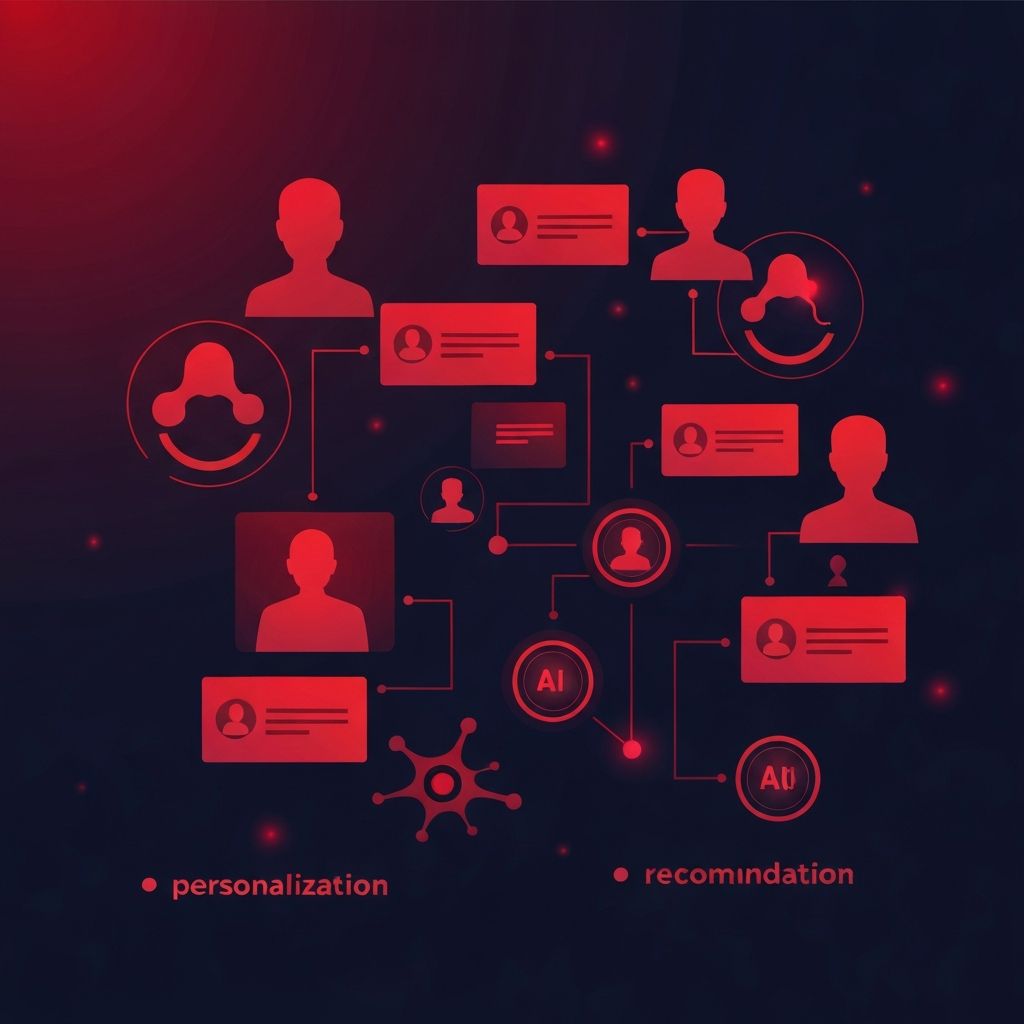
Defining Personalization in Digital Marketing
Personalization in digital marketing is the practice of tailoring messages, offers, and experiences to individual users based on their data and behavior. Instead of broadcasting the same message to every visitor, personalization meets each customer with content that feels relevant to who they are, what they want, and where they are in their journey. From product recommendations and dynamic landing pages to triggered emails and personalized ads, this approach increases engagement, conversion, and customer lifetime value across the board.
How AAMAX.CO Helps Brands Deliver Personalization at Scale
Brands seeking to implement personalization strategically can hire AAMAX.CO, a full-service digital marketing company offering web development, SEO, and customer-centric growth services worldwide. Their team designs personalization frameworks that align with business goals and respect customer privacy. They integrate data sources, configure personalization engines, build segmentation strategies, and craft tailored creative across channels. By combining technology, strategy, and creativity, they help brands turn personalization from a buzzword into a measurable growth driver.
Why Personalization Matters Today
Customers now expect brands to know them. Studies consistently show that consumers are more likely to buy from companies that offer relevant recommendations and respond to their preferences. Generic marketing not only underperforms but can also damage brand perception, since irrelevant messages signal that the brand does not understand its audience. In a crowded marketplace, personalization is one of the most reliable ways to stand out, build emotional connection, and earn long-term loyalty.
Levels of Personalization
Personalization exists on a spectrum. The most basic level uses inserted tokens, such as a first name in an email subject line. The next level segments audiences by demographics, behavior, or stage in the funnel and tailors messages accordingly. More advanced personalization uses real-time signals like current page, referral source, or cart contents to adapt content on the fly. The most sophisticated implementations use machine learning to predict what each user wants next, often before the user knows themselves.
Data Foundations for Personalization
Personalization relies on data. First-party data, gathered from the brand's own website, app, and CRM, is the most valuable and trustworthy source. Zero-party data, which customers willingly share through quizzes, preferences, or surveys, builds even deeper relationships. Marketers also use behavioral data, transactional data, and contextual signals such as device, location, or time of day. Strong data governance, consent management, and integration are essential to ensure that personalization is both effective and ethical.
Personalization Across Channels
Effective personalization spans every channel a customer touches. Websites adapt hero banners, navigation, and product recommendations. Emails send tailored content, dynamic offers, and triggered follow-ups. Apps surface relevant features and notifications. Even paid ads can be personalized through audience segmentation and dynamic creative. With strong digital marketing infrastructure, brands deliver consistent, personalized experiences whether the customer is researching, buying, or coming back for support.
The Role of AI and Machine Learning
Artificial intelligence has dramatically expanded what is possible in personalization. Machine learning models analyze enormous datasets to identify patterns no human could spot. They predict the next best product, the optimal send time, the most likely topic of interest, and the price sensitivity of each customer. Generative AI even creates customized creative variants automatically. Used responsibly, AI turns personalization from a manual, rule-based exercise into a dynamic, real-time capability that scales effortlessly across millions of customers.
Personalization in Ecommerce
Ecommerce is where personalization shines brightest. Product recommendation engines drive a significant percentage of revenue for major retailers. Personalized search results, dynamic pricing within the law, abandoned cart sequences, and tailored checkout experiences all lift conversion. Loyalty programs use personalization to deliver rewards that match each customer's preferences. Combined with smart social media marketing, ecommerce brands create cohesive experiences from discovery through repeat purchase.
Personalization in B2B Marketing
While often associated with consumer brands, personalization is equally powerful in business-to-business marketing. Account-based marketing tailors content, ads, and outreach to specific companies and decision makers. Dynamic websites greet visitors with industry-specific examples and case studies. Sales teams receive insights about prospect interests, helping them open conversations with relevance. The complexity of B2B buying journeys makes personalization especially valuable for shortening cycles and increasing deal sizes.
Privacy and Ethical Considerations
Personalization without permission is intrusion. Marketers must respect privacy, comply with regulations such as GDPR and CCPA, and give customers transparent control over their data. Ethical personalization avoids manipulating vulnerable users, exploiting biases, or creating filter bubbles. Done right, personalization feels helpful, not creepy. The most successful brands earn trust by being clear about what data they collect, how they use it, and how customers can adjust or revoke consent at any time.
Measuring Personalization Success
Personalization should be measured rigorously. Metrics include conversion rate, average order value, click-through rate, retention, and customer lifetime value. A/B tests compare personalized experiences against control experiences to confirm impact. Cohort analysis tracks how personalization influences long-term behavior. Without measurement, personalization can become a costly investment with unclear returns. The best teams treat personalization as an ongoing optimization program supported by clear data and continuous experimentation.
Conclusion
Personalization in digital marketing is no longer optional; it is a core expectation. From simple segmentation to AI-driven recommendations, personalization helps brands deliver experiences that feel custom-built for every customer. With the right data foundation, technology stack, and ethical mindset, brands can use personalization to deepen relationships, drive measurable growth, and stay relevant in a rapidly evolving digital landscape. The brands that embrace this discipline today will be the trusted leaders of tomorrow.
