
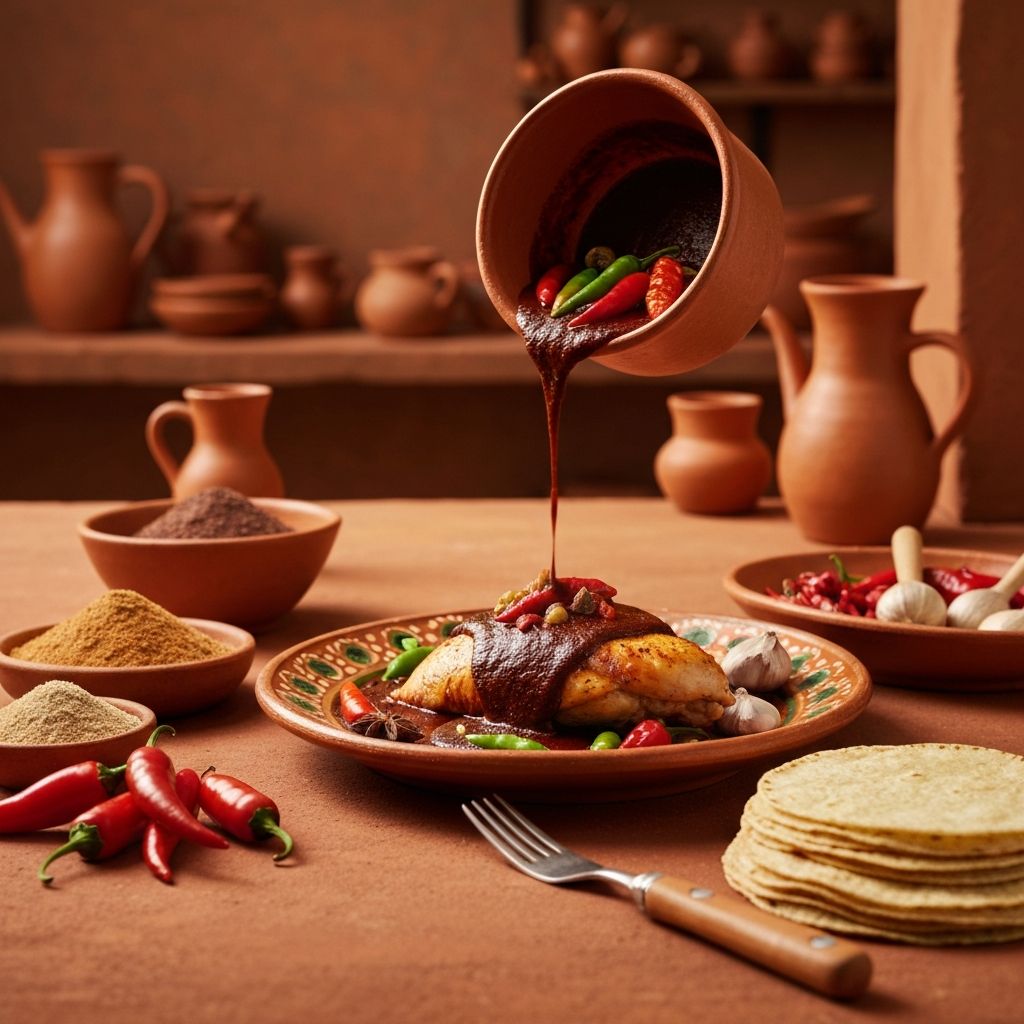
The Rich Heritage of Mexican Mole
Mole, pronounced MOH-leh, is one of the most celebrated and complex dishes in Mexican cuisine, representing centuries of culinary tradition, cultural fusion, and regional pride. Far more than just a sauce, mole is a culinary art form that embodies the very soul of Mexican cooking. With its intricate blend of chili peppers, spices, chocolate, nuts, seeds, and other ingredients, mole is a symphony of flavors that can take days to prepare using traditional methods.
The word mole comes from the Nahuatl word "molli" or "mulli," which simply means "sauce" or "concoction." Despite this humble linguistic origin, mole has evolved into one of the most sophisticated and revered preparations in the entire culinary world. Each region of Mexico boasts its own signature mole recipe, and within each region, individual families guard their own cherished variations passed down through generations.
The Ancient Origins of Mole
The history of mole stretches back to pre-Hispanic Mexico, where indigenous peoples, including the Aztecs and Maya, prepared complex sauces from chili peppers, tomatoes, and ground seeds. These early preparations laid the groundwork for what would eventually become the mole we know today. Archaeological evidence suggests that the Aztec emperor Montezuma served a primitive form of mole at royal feasts, combining chili peppers with chocolate and other local ingredients.
The most popular origin legend of modern mole centers on the Dominican friars of the Convent of Santa Rosa in Puebla during the colonial period. According to this tale, the nuns were expecting a visit from the archbishop and, in a frantic effort to prepare a worthy meal, combined every ingredient they had available into a single sauce. The result was mole poblano, the most famous variety of mole. While this story is likely more legend than fact, it speaks to the improvisational spirit that characterizes Mexican cooking.
Another origin story credits Fray Pascual, a friar in a Puebla monastery, who reportedly knocked a tray of spices into a pot of chili peppers and turkey that was being prepared for a visiting dignitary. Whatever its true origins, mole emerged from the creative collision of indigenous Mesoamerican culinary traditions and Spanish colonial influences, incorporating Old World ingredients like almonds, cinnamon, and cloves into the New World base of chili peppers, chocolate, and tomatoes.
The Seven Classic Moles of Oaxaca
The state of Oaxaca is often called the "Land of Seven Moles" because of its seven distinct regional mole varieties, each with its own unique flavor profile, color, and ingredient list. These seven moles represent the incredible diversity of the dish and demonstrate how different combinations of similar base ingredients can produce dramatically different results.
Mole negro, or black mole, is considered the most complex and prestigious of the Oaxacan moles. It features charred chilies, chocolate, multiple spices, and a burnt tortilla that contributes to its distinctive dark color and deep, smoky flavor. Mole negro can contain 30 or more ingredients and takes an experienced cook an entire day or more to prepare.
Mole rojo, or red mole, gets its vibrant color from ancho and guajillo chilies and is lighter and brighter in flavor than mole negro. Mole coloradito is a mild, slightly sweet red mole made with ancho chilies and chocolate. Mole amarillo, or yellow mole, is made with chilcostle and costeño amarillo chilies and is often served with chicken and chayote squash.
Mole verde, or green mole, stands apart from the others as it is made primarily from fresh green ingredients including tomatillos, herbs like epazote and hoja santa, green chilies, and pumpkin seeds. Chichilo is a dark, intensely flavored mole made with charred chili seeds and beef or pork bones. Manchamanteles, meaning "tablecloth stainer," is a fruit-based mole that incorporates pineapple, plantains, and sweet spices.
Mole Poblano: The Most Famous Variety
When most people think of mole, they picture mole poblano, the rich, dark, chocolate-infused sauce from the city of Puebla. Mole poblano is often considered the national dish of Mexico and is served at the most important celebrations, from weddings and quinceañeras to Day of the Dead feasts and Christmas gatherings.
A traditional mole poblano recipe calls for an impressive list of ingredients, typically including several varieties of dried chili peppers such as ancho, mulato, and pasilla. Mexican chocolate, which is grainier and more intensely flavored than regular chocolate, adds depth and a subtle sweetness. Nuts and seeds, including almonds, peanuts, and sesame seeds, contribute body and richness.
Spices such as cinnamon, cloves, black pepper, cumin, and oregano provide warm, aromatic notes. Raisins or other dried fruits add sweetness and complexity. Tomatoes and tomatillos form the liquid base, while stale bread or tortillas serve as thickening agents. Each ingredient is typically toasted, roasted, or fried separately before being combined and ground into a paste, which is then cooked slowly with broth until it reaches the desired consistency.
The chocolate in mole is perhaps its most misunderstood ingredient. Mole is not a chocolate sauce in the sweet, dessert sense. Rather, the chocolate serves as a background flavor that adds depth, rounds out the heat of the chilies, and creates a velvety richness. You wouldn't necessarily identify chocolate as a distinct flavor when tasting mole, but you would miss it if it were absent.
Key Ingredients That Define Mole
While mole recipes vary enormously across regions and families, several categories of ingredients are common to most varieties. Understanding these categories helps demystify this complex sauce and makes the idea of preparing mole at home more approachable.
Dried chili peppers are the foundation of most moles. Different varieties contribute different flavors, heat levels, and colors. Ancho chilies, dried poblano peppers, provide a mild, sweet, fruity flavor. Mulato chilies offer a chocolatey, slightly smoky taste. Pasilla chilies add depth with their berry-like notes. Guajillo chilies bring bright, tangy heat. Chipotle chilies add intense smokiness.
Chocolate, specifically Mexican chocolate containing cinnamon and sugar, is a signature ingredient in many moles, particularly mole poblano and mole negro. The chocolate doesn't make the sauce sweet but rather adds complexity and depth. In its absence, some cooks substitute a small amount of unsweetened cocoa powder mixed with a pinch of cinnamon.
Nuts and seeds serve multiple purposes in mole. Sesame seeds, pumpkin seeds, peanuts, and almonds add flavor, protein, and act as natural thickening agents when ground. They contribute a subtle nuttiness that balances the heat of the chilies and the sweetness of the chocolate. Toasting them before grinding releases their oils and intensifies their flavor.
Spices and aromatics round out the flavor profile. Cinnamon, cloves, black pepper, cumin, oregano, thyme, and garlic are common additions. Onions are typically roasted or charred before adding to the sauce. These aromatics create the warm, complex background flavor that makes mole so distinctive.
How Mole Is Traditionally Served
In Mexico, mole is traditionally served over turkey or chicken, which are considered the most appropriate proteins for this noble sauce. Turkey, in particular, has deep cultural significance, as it was the primary protein of pre-Hispanic Mexico and continues to be the traditional choice for the most important celebrations and family gatherings.
The meat is typically simmered until tender, and the mole sauce is ladled generously over the pieces. Traditional accompaniments include Mexican rice, warm tortillas for scooping up the sauce, and refried beans. A sprinkling of toasted sesame seeds over the finished dish adds both visual appeal and a subtle nutty crunch.
Mole is also used in enchiladas, where tortillas are dipped in the sauce, filled with shredded chicken, rolled up, and topped with more mole and garnishes. Enmoladas, as they are called, are a beloved weeknight dinner and a delicious way to use leftover mole. Tamales filled with mole and meat are another traditional preparation, particularly popular during holidays and celebrations.
In contemporary Mexican cuisine, chefs have found innovative ways to use mole. It appears as a glaze on grilled meats, a sauce for vegetables, a flavoring for ice cream and chocolate truffles, and even as a unique pizza sauce. These modern interpretations honor the traditional flavors while making mole accessible to new audiences and dining contexts.
Making Mole at Home
While traditional mole preparation can be a multi-day process involving dozens of ingredients, making mole at home is entirely achievable with some planning and patience. Many Mexican home cooks prepare mole only for special occasions, spending hours toasting, grinding, and simmering ingredients to create the perfect batch. The process is often a communal activity, with family members contributing to different stages of preparation.
For home cooks new to mole, starting with a simplified recipe that captures the essential flavors without requiring 30 ingredients is a practical approach. A basic mole can be made with as few as 10 to 15 ingredients while still delivering an authentic and satisfying result. As you become more comfortable with the flavors and techniques, you can gradually add complexity to your recipe.
Mole paste, available at many Latin grocery stores and increasingly at mainstream supermarkets, offers a convenient shortcut. These commercially prepared pastes capture the essence of traditional mole and simply need to be dissolved in broth and simmered. While not a substitute for from-scratch mole, good quality mole paste can produce a respectable sauce with minimal effort.
Cultural Significance of Mole
Mole transcends its role as a mere culinary preparation to occupy a central place in Mexican cultural identity. Preparing mole is an act of love, tradition, and community. In many families, the mole recipe is a closely guarded secret passed from mother to daughter, with each generation adding their own subtle refinements while preserving the core character of the family's version.
Mole is inseparable from celebration in Mexican culture. No important occasion is complete without mole. It is the dish that brings families together, that marks life's milestones, and that connects the present to the past. The laborious preparation process itself becomes a celebration, with family members and friends gathering to help roast chilies, grind spices, and stir the simmering pot.
In 2010, traditional Mexican cuisine, of which mole is a cornerstone, was designated as an Intangible Cultural Heritage of Humanity by UNESCO. This recognition acknowledged the cultural importance of Mexican culinary traditions and the role they play in maintaining community bonds and cultural identity.
Conclusion
Mole is far more than just a sauce; it is a living testament to Mexico's rich culinary history, cultural diversity, and creative spirit. From the ancient kitchens of the Aztec empire to modern restaurants around the world, mole continues to captivate and inspire food lovers with its extraordinary complexity, depth of flavor, and cultural significance. Whether you experience it at a family celebration in Oaxaca or prepare a simple version in your own kitchen, mole offers a taste of one of the world's greatest culinary traditions.
