
The Essential Ingredients of Ice Cream
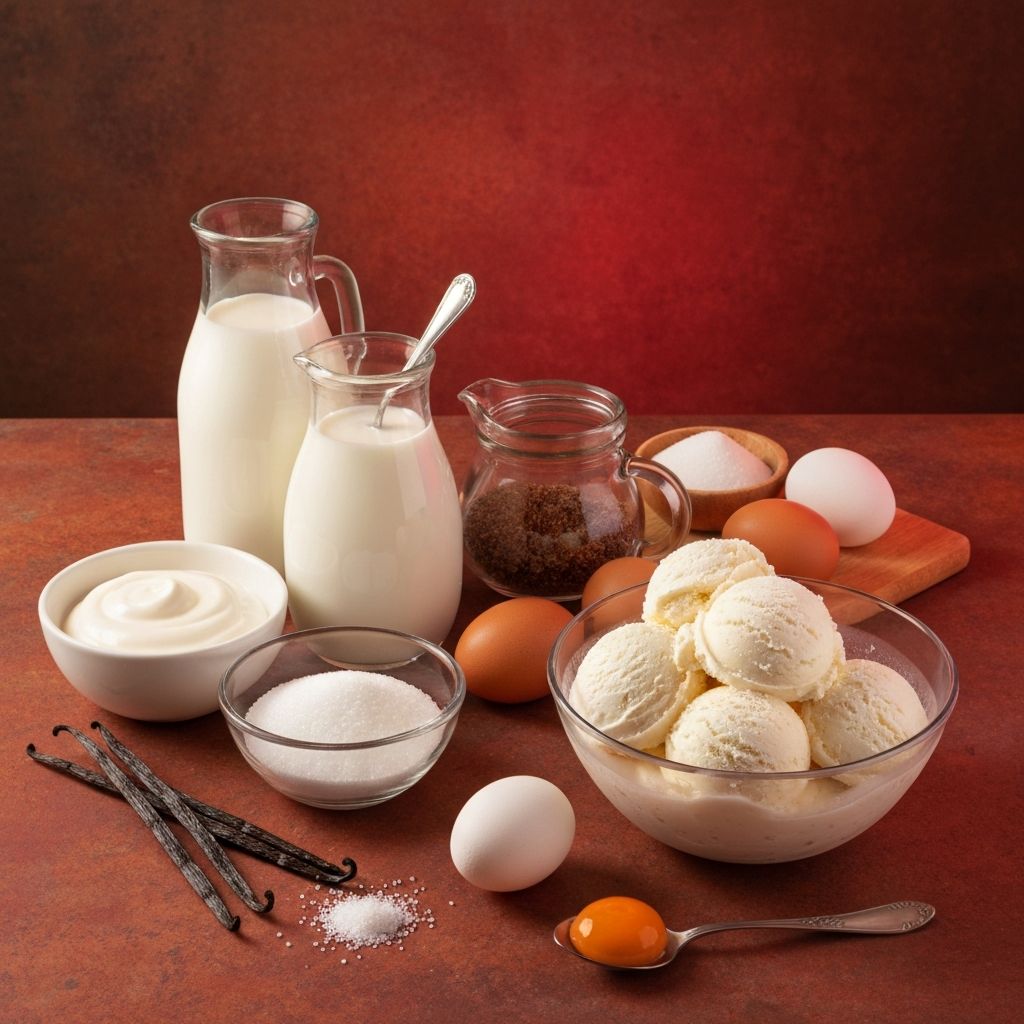
Ice cream is one of the world's most beloved desserts, enjoyed by people of all ages across virtually every culture. But what exactly goes into making this creamy, frozen treat? At its most basic level, ice cream is made from a handful of simple ingredients: cream, milk, sugar, and flavorings. However, the science behind combining these ingredients to create the smooth, scoopable texture we know and love is surprisingly complex. Understanding the role each ingredient plays in ice cream production can deepen your appreciation for this frozen delicacy and help you make better choices when buying or making ice cream at home.
The FDA defines ice cream as a frozen food made from a combination of dairy ingredients that contains at least 10 percent milkfat by weight and weighs at least 4.5 pounds per gallon. Products that do not meet these standards may be labeled as frozen dessert, frozen dairy dessert, or other terms, but they cannot legally be called ice cream. This regulatory definition helps ensure that products labeled as ice cream meet certain quality standards, though there is still a wide range of quality within the category.
Cream and Milk: The Dairy Foundation
Cream is the primary ingredient that gives ice cream its rich, velvety texture and indulgent flavor. Heavy cream, also known as heavy whipping cream, typically contains between 36 and 40 percent milkfat. This fat content is crucial for ice cream's texture because fat globules interfere with the formation of ice crystals, resulting in a smoother, creamier product. Higher fat content generally means smoother, richer ice cream, which is why premium ice cream brands typically have a higher milkfat content than standard varieties.
Milk is the other essential dairy component of ice cream, providing water, proteins (primarily casein and whey), lactose (milk sugar), and additional minerals. The proteins in milk play several important roles in ice cream: they help stabilize the air bubbles that are incorporated during churning, contribute to the body and texture of the finished product, and enhance the flavor. Whole milk, skim milk, or a combination of the two may be used, depending on the desired fat content of the final product.
The ratio of cream to milk in an ice cream recipe significantly affects the final product. A higher proportion of cream produces a richer, denser ice cream, while a higher proportion of milk results in a lighter, icier product. Premium ice cream brands typically use a higher cream-to-milk ratio, which contributes to their characteristically rich and creamy texture. Some artisanal ice cream makers use only cream and no milk, creating an extremely rich and dense product.
Sugar: More Than Just Sweetness
Sugar is a critical ingredient in ice cream that does much more than provide sweetness. From a technical standpoint, sugar plays several essential roles in ice cream production. It lowers the freezing point of the ice cream base, which prevents the mixture from freezing into a solid block and instead creates the soft, scoopable texture we expect from ice cream. Without sufficient sugar, ice cream would freeze too hard and be difficult to scoop and eat.
The most common sugar used in ice cream is granulated white sugar (sucrose), though other sweeteners are also used. Corn syrup and corn syrup solids are frequently added to commercial ice cream because they help control ice crystal growth and improve texture. Dextrose and fructose may also be used, either alone or in combination with sucrose, to fine-tune the sweetness and freezing properties of the ice cream.
The amount of sugar in ice cream typically ranges from 12 to 16 percent of the total mix by weight. Too little sugar results in a hard, icy product, while too much sugar prevents the ice cream from freezing properly, resulting in a soft, soupy consistency. Balancing the sugar content is one of the key challenges in ice cream formulation, as it must be optimized for both taste and texture.
Eggs and Egg Yolks
Egg yolks are a traditional ingredient in many ice cream recipes, particularly in French-style or custard-based ice creams. Egg yolks contain lecithin, a natural emulsifier that helps blend the fat and water components of the ice cream base into a smooth, homogeneous mixture. They also contain proteins that contribute to the body and richness of the ice cream, and fats that enhance the creamy texture.
When egg yolks are used, the ice cream base is typically cooked into a custard before churning. This process, known as making a creme anglaise, involves heating the milk, cream, sugar, and egg yolks together while stirring constantly until the mixture thickens enough to coat the back of a spoon. The cooked custard is then cooled, flavored, and churned in an ice cream maker. This custard base produces an exceptionally smooth and rich ice cream with a characteristic golden color.
Not all ice cream contains eggs. Philadelphia-style or American-style ice cream is made without eggs, relying on cream and milk alone for richness. This style of ice cream tends to have a cleaner, more direct flavor and a slightly lighter texture compared to custard-based varieties. Both styles have their merits, and the choice between them often comes down to personal preference and the specific flavor being made.
Flavorings: From Vanilla to Exotic Combinations
Flavorings are what transform the basic ice cream base into the endless variety of flavors available today. Vanilla is by far the most popular ice cream flavor worldwide and serves as the foundation for many other flavors. High-quality vanilla ice cream uses real vanilla beans or pure vanilla extract, which provides a complex, aromatic flavor that artificial vanillin cannot replicate. The tiny black specks visible in premium vanilla ice cream are seeds from the vanilla bean pod, a visual indicator of quality.
Chocolate ice cream is the second most popular flavor and is made by adding cocoa powder, melted chocolate, or a combination of both to the ice cream base. The type and quality of chocolate used significantly affects the flavor; Dutch-processed cocoa produces a milder, darker flavor, while natural cocoa provides a more intense, slightly bitter chocolate taste. Premium chocolate ice creams often use a blend of cocoa and melted chocolate for maximum flavor complexity.
Fruit flavors are created by adding fruit purees, juices, or extracts to the ice cream base. Fresh or frozen fruits are commonly used for flavors like strawberry, peach, mango, and raspberry. The natural acidity and water content of fruit can affect the freezing properties and texture of ice cream, so fruit-flavored varieties often require adjustments to the base recipe to maintain proper consistency.
Beyond traditional flavors, modern ice cream makers experiment with an incredible range of ingredients, from herbs and spices (lavender, cinnamon, ginger) to savory elements (olive oil, blue cheese, bacon) to cultural ingredients (matcha, ube, dulce de leche). The versatility of the ice cream base allows for virtually unlimited flavor possibilities.
Stabilizers and Emulsifiers
Commercial ice cream typically contains small amounts of stabilizers and emulsifiers that improve texture, extend shelf life, and maintain quality throughout the distribution chain. While these ingredients may sound artificial, many of them are derived from natural sources and are used in very small quantities.
Common stabilizers include guar gum, locust bean gum, carrageenan, and cellulose gum. These ingredients work by binding water molecules in the ice cream mix, which slows ice crystal growth during storage and helps maintain a smooth texture even after the ice cream has been through temperature fluctuations (such as being taken out of the freezer and put back). Without stabilizers, ice cream tends to develop a coarse, icy texture relatively quickly after production.
Emulsifiers, such as mono- and diglycerides and polysorbate 80, help maintain the even distribution of fat throughout the ice cream and promote the incorporation of air during churning. Egg yolks serve as a natural emulsifier in custard-based ice creams, but commercial producers often use additional emulsifiers for consistency and efficiency. These ingredients also contribute to the smooth, creamy mouthfeel of the finished product.
Air: The Invisible Ingredient
One of the most important components of ice cream is not an ingredient at all; it is air. During the churning process, air is incorporated into the ice cream base, a factor known as overrun. Overrun is expressed as a percentage: 100 percent overrun means that the volume of the ice cream has doubled due to the incorporation of air. This might sound like a way to shortchange consumers, but air is actually essential for ice cream's texture. Without it, ice cream would be a dense, hard-to-scoop frozen block.
The amount of air incorporated into ice cream varies widely between products. Premium ice cream brands typically have lower overrun (25 to 50 percent), resulting in a denser, richer product. Standard commercial ice cream usually has higher overrun (60 to 100 percent), making it lighter and softer. Economy ice cream brands may have overrun as high as 100 to 120 percent, resulting in a very light, airy product that melts quickly. The overrun is one of the main factors that differentiate premium ice cream from standard and economy products.
Conclusion
Ice cream is made from a carefully balanced combination of cream, milk, sugar, eggs (in some varieties), flavorings, and small amounts of stabilizers and emulsifiers. Air, incorporated during the churning process, is the invisible ingredient that gives ice cream its characteristic scoopable texture. Each ingredient plays a specific role in creating the flavor, texture, and quality of the final product. Understanding these components can help you appreciate the craft of ice cream making and make more informed choices whether you are buying ice cream at the store or making it at home.
