
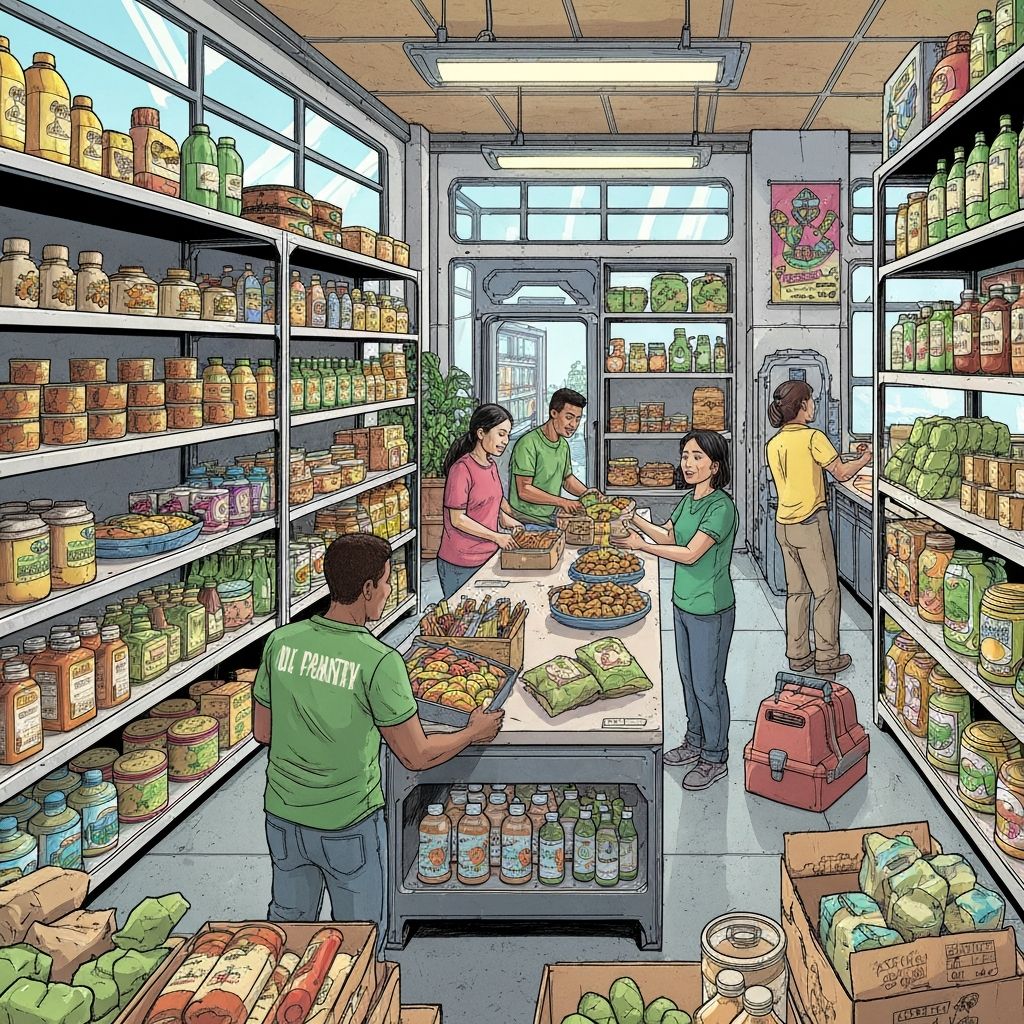
Understanding Food Banks and Their Mission
A food bank is a nonprofit organization that collects, stores, and distributes food to people who cannot afford to purchase enough to avoid hunger. Unlike food pantries, which typically serve individuals directly, food banks operate as large-scale warehouses that supply food to a network of partner agencies, including food pantries, soup kitchens, shelters, and other community organizations.
The concept of the modern food bank was pioneered by John van Hengel in 1967 in Phoenix, Arizona. Van Hengel recognized that vast quantities of perfectly edible food were being discarded by grocery stores, restaurants, and food manufacturers while many people in the community went hungry. He established St. Mary's Food Bank, creating a system to rescue this surplus food and distribute it to those in need. This model has since been replicated thousands of times across the globe.
Today, food banks operate in nearly every country and serve as critical infrastructure in the fight against hunger. In the United States alone, the Feeding America network comprises over 200 food banks that collectively provide food to approximately 40 million people each year through a network of more than 60,000 partner agencies.
How Food Banks Operate
Food banks function through a sophisticated logistics operation that involves sourcing, sorting, storing, and distributing large quantities of food. Understanding this process helps illustrate the complexity and importance of these organizations.
Food sourcing is the first and most critical step. Food banks receive donations from a wide variety of sources, including food manufacturers, distributors, retailers, farmers, and individual donors. Many food banks also participate in government commodity programs that provide surplus agricultural products. Additionally, food banks may purchase food at deeply discounted prices from wholesalers to fill gaps in their inventory.
Once food arrives at the food bank, it must be sorted, inspected, and stored properly. Trained staff and volunteers examine donations to ensure they meet safety and quality standards. Items that are damaged, expired, or otherwise unsuitable for consumption are removed. The remaining food is categorized and stored in temperature-appropriate conditions, including refrigerated and frozen storage for perishable items.
Distribution is the final step in the food bank's operations. Partner agencies place orders based on the needs of their communities, and the food bank assembles and delivers these orders on a regular schedule. Some food banks also operate mobile pantries that bring food directly to underserved areas, and many have developed home delivery programs for homebound individuals.
Who Do Food Banks Serve?
Contrary to common misconceptions, food bank clients come from all walks of life. While chronic poverty is a significant driver of food insecurity, many food bank clients are working individuals and families who simply do not earn enough to cover all of their basic expenses. A single unexpected event, such as a medical emergency, job loss, car breakdown, or natural disaster, can push otherwise stable families into food insecurity.
Children are disproportionately affected by food insecurity, with millions of children in the United States alone relying on food banks and related programs for regular meals. Many food banks operate special programs targeting childhood hunger, including backpack programs that send food home with children on weekends and school breaks, and summer meal programs that fill the gap when school cafeterias are closed.
Elderly individuals represent another vulnerable population served by food banks. Many seniors live on fixed incomes and face difficult choices between purchasing food, medication, and other necessities. Food banks often partner with senior centers and meal delivery programs to ensure that older adults have access to nutritious food.
Veterans, people with disabilities, and individuals experiencing homelessness are also significant populations served by food banks. Each of these groups faces unique challenges in accessing adequate nutrition, and food banks work to develop targeted programs that address their specific needs.
The Difference Between Food Banks and Food Pantries
While the terms "food bank" and "food pantry" are often used interchangeably, they refer to different types of organizations with distinct roles in the hunger relief ecosystem. Understanding this distinction can help individuals who want to seek assistance or volunteer their time and resources more effectively.
A food bank is a large-scale distribution center that acts as a clearinghouse for donated and purchased food. Food banks typically do not serve clients directly but instead supply food to a network of smaller partner agencies. They operate large warehouses, maintain fleets of refrigerated trucks, and employ professional staff to manage their operations.
A food pantry, on the other hand, is a smaller, community-based organization that distributes food directly to individuals and families. Food pantries may be standalone nonprofits or operate as programs within churches, community centers, schools, or other institutions. They receive much of their food supply from food banks but may also accept direct donations from the community.
Soup kitchens, which prepare and serve meals on-site, represent another component of the hunger relief network. Like food pantries, soup kitchens often receive their ingredients from food banks. Together, these three types of organizations form a comprehensive system for addressing food insecurity at every level.
How to Support Your Local Food Bank
There are numerous ways individuals and businesses can support their local food banks and contribute to the fight against hunger. Financial donations are often the most impactful form of support, as food banks can leverage their buying power to purchase significantly more food with monetary donations than individuals can with retail purchases. Many food banks can provide four to six meals for every dollar donated.
Food drives remain a popular and effective way to collect donations for food banks. When organizing or contributing to a food drive, focus on donating shelf-stable items that are nutritious and in high demand. These include canned proteins such as tuna, chicken, and beans, whole grain cereals and pasta, peanut butter, canned fruits and vegetables, and cooking oils. Avoid donating items that are expired, opened, or in damaged packaging.
Volunteering your time is another valuable way to support food banks. Volunteers are needed for sorting and packing food, loading and unloading deliveries, staffing distribution events, and providing administrative support. Many food banks also need volunteers with specialized skills such as marketing, fundraising, grant writing, and logistics management.
Businesses can partner with food banks through corporate sponsorships, employee volunteer programs, cause marketing campaigns, and food rescue partnerships. Restaurants, grocery stores, and food manufacturers can arrange for regular donations of surplus food that would otherwise go to waste, simultaneously reducing their disposal costs and supporting their communities.
The Impact of Food Banks on Communities
The impact of food banks extends far beyond simply providing meals. By addressing food insecurity, food banks contribute to improved health outcomes, better educational performance, reduced healthcare costs, and stronger communities overall.
Research has consistently shown that food insecurity is associated with higher rates of chronic diseases, including diabetes, hypertension, and heart disease. By providing access to nutritious food, food banks help reduce the incidence and severity of these conditions, leading to improved quality of life and reduced healthcare expenditures.
For children, access to adequate nutrition through food bank programs has been linked to better school attendance, improved academic performance, and fewer behavioral problems. When children are not distracted by hunger, they can focus on learning and developing the skills they need to succeed in life.
Food banks also play a crucial role in reducing food waste, an environmental issue of growing concern. By rescuing surplus food that would otherwise end up in landfills, food banks help reduce greenhouse gas emissions associated with food decomposition and contribute to a more sustainable food system.
Challenges Facing Food Banks Today
Despite their critical importance, food banks face numerous challenges that threaten their ability to meet growing demand. The COVID-19 pandemic dramatically increased the number of people seeking food assistance, and many food banks continue to serve significantly more clients than they did before the pandemic.
Supply chain disruptions, inflation, and rising food costs have made it more expensive for food banks to acquire the food they need. At the same time, donations from food manufacturers and retailers have decreased in some areas as these businesses have become more efficient at managing their inventory and reducing surplus.
Staffing challenges, limited warehouse space, and aging infrastructure also constrain food banks' capacity to serve their communities effectively. Many food banks are actively working to expand their facilities, upgrade their technology, and develop new partnerships to address these challenges and ensure that no one in their community goes hungry.
