
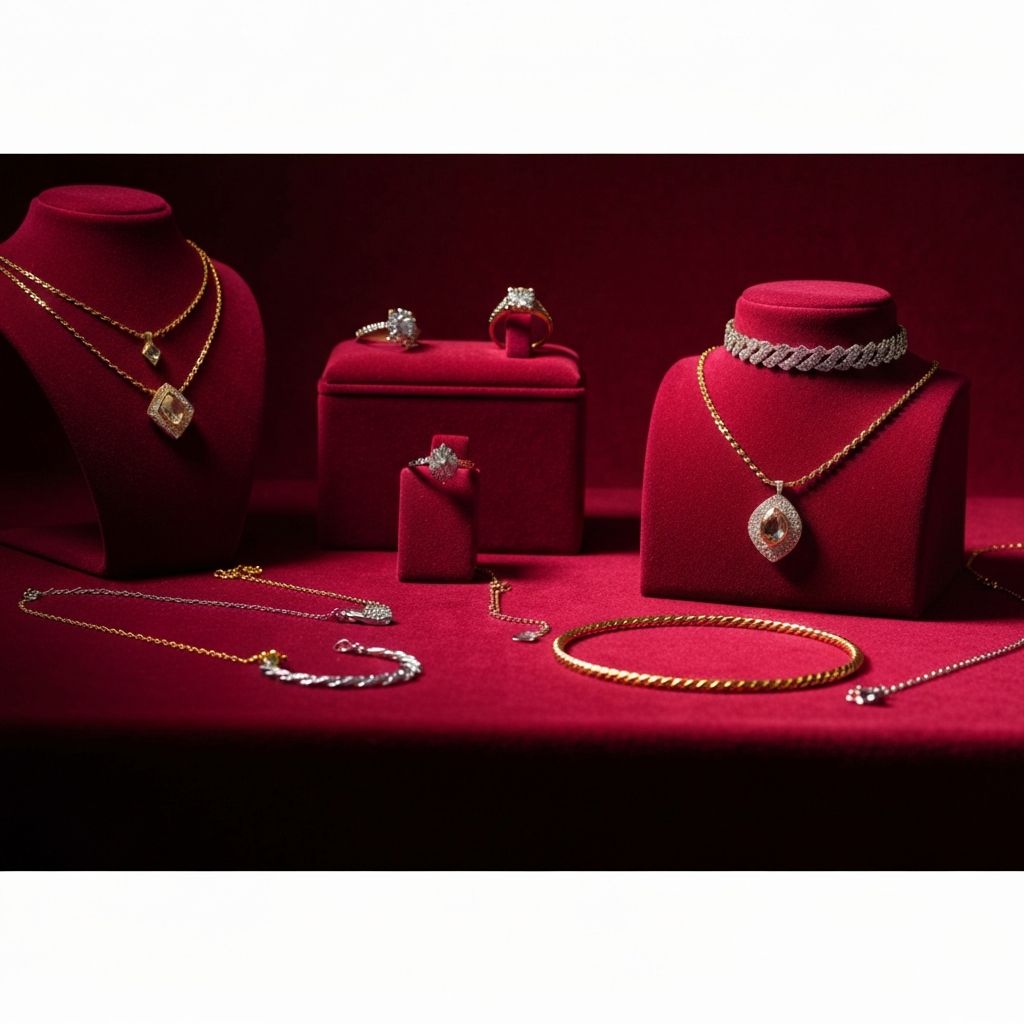
Why Jewelry Color Matters More Than You Think
Choosing the right color of jewelry can transform your entire look. The right metal tone can brighten your complexion, complement your outfit, and tie your whole appearance together in a way that feels effortless and polished. Conversely, the wrong jewelry color can clash with your skin tone, compete with your clothing, and make even expensive pieces look out of place. Understanding which jewelry colors work best for you is one of the simplest ways to elevate your personal style.
The good news is that choosing jewelry color is not as complicated as it might seem. While there are some general guidelines based on skin tone, undertone, and color theory, personal preference and current fashion trends also play a significant role. This guide will walk you through the key factors to consider when selecting jewelry colors, helping you build a versatile collection that works for every occasion.
Understanding Your Skin Undertone
The most reliable way to determine which jewelry color looks best on you is to identify your skin undertone. Your undertone is the subtle hue beneath the surface of your skin that remains consistent regardless of tanning, blushing, or other temporary changes. There are three main undertone categories: warm, cool, and neutral.
Warm undertones have a golden, peachy, or yellowish cast to the skin. If you tan easily, have green or hazel eyes, and your veins appear greenish when you look at your wrist, you likely have a warm undertone. People with warm undertones tend to look stunning in gold, rose gold, brass, and copper jewelry. These warm metals echo the golden tones in your skin and create a harmonious, glowing effect.
Cool undertones have a pink, red, or bluish cast to the skin. If you burn easily in the sun, have blue or gray eyes, and your veins appear blue or purple, you likely have a cool undertone. Silver, white gold, platinum, and other cool-toned metals tend to look best on people with cool undertones. These metals complement the pink and blue tones in your skin without adding unwanted warmth.
Neutral undertones are a balanced mix of warm and cool tones. If you are not sure whether your veins look green or blue, or if you seem to tan and burn equally, you probably have a neutral undertone. The great news for neutral-toned individuals is that virtually every jewelry color looks good on you. You can wear gold, silver, rose gold, and mixed metals with equal confidence.
Gold Jewelry: Who Should Wear It and When
Gold jewelry has been prized for thousands of years for its warm, lustrous appearance and its ability to complement a wide range of skin tones. While gold is traditionally associated with warm undertones, it has become increasingly popular across all skin tones in recent years, thanks in part to fashion trends that have embraced mixing metals and breaking traditional rules.
Yellow gold looks particularly stunning on warm and deep skin tones, where it creates a rich, luminous effect. On medium to dark skin, gold jewelry appears to glow from within, creating a striking contrast that is both elegant and eye-catching. On lighter warm-toned skin, gold adds warmth and radiance without overwhelming the complexion.
Rose gold is a versatile option that works well on both warm and cool skin tones. Its pink undertones make it flattering for cool-toned individuals, while its golden base complements warm tones beautifully. Rose gold has surged in popularity over the past decade and has become a go-to choice for engagement rings, watches, and everyday jewelry. It is particularly flattering on fair to medium skin tones, where it adds a soft, romantic warmth.
When choosing gold jewelry, also consider the karat. Higher karat gold, such as 18K or 22K, has a richer, more saturated color than 14K or 10K gold. Higher karat gold is softer and more prone to scratching, but its deeper color can be more flattering for certain skin tones. Lower karat gold has a lighter, more subtle color that some people prefer for everyday wear.
Silver Jewelry: The Cool Classic
Silver jewelry has a clean, modern appeal that works beautifully with cool skin undertones. Sterling silver, white gold, and platinum all fall into the cool metal category and share a similar aesthetic, though they differ in durability, price, and luster. Silver metals reflect light in a crisp, bright way that complements pink and blue undertones in the skin.
Sterling silver is the most affordable option and is perfect for fashion jewelry, casual pieces, and everyday wear. It does require some maintenance, as it can tarnish over time, but regular polishing keeps it looking bright and beautiful. White gold offers the look of silver with greater durability and is often used for fine jewelry and engagement rings. Platinum is the most premium option, prized for its density, durability, and naturally white color that never fades or tarnishes.
Silver jewelry looks particularly striking against deep skin tones, where it creates a bold, high-contrast look. On lighter cool-toned skin, silver has a more subtle, understated effect that feels elegant and refined. If you have cool undertones but want to experiment with warmer metals, consider pieces that mix silver and gold for a balanced, contemporary look.
Choosing Jewelry Color Based on Your Outfit
Beyond skin tone, the color of your clothing plays a significant role in determining which jewelry color will look best. As a general rule, warm-colored outfits like red, orange, yellow, brown, and olive pair well with gold jewelry, while cool-colored outfits like blue, purple, green, gray, and pink pair well with silver jewelry. Neutral colors like black, white, navy, and beige work with both gold and silver.
Black outfits are a special case because virtually every jewelry color looks stunning against black fabric. Gold against black creates a luxurious, glamorous effect that is perfect for evening events. Silver against black has a more modern, edgy feel. Rose gold against black is romantic and contemporary. When wearing black, choose your jewelry color based on the mood you want to create rather than any strict rules.
White and cream outfits also work with multiple jewelry colors but tend to look best with gold or rose gold. The warmth of gold complements the softness of white and cream fabrics, creating an effortlessly elegant look. Silver can sometimes look too stark against white, though this can be exactly the effect you are going for in a modern, minimalist outfit.
Matching Jewelry to the Occasion
The occasion also influences which jewelry color is most appropriate. For formal events like weddings, galas, and black-tie affairs, gold and platinum jewelry convey luxury and sophistication. Diamonds and gemstones set in gold or platinum are classic choices for formal occasions and never go out of style.
For professional settings, understated jewelry in either gold or silver works well. The key is to keep pieces small and elegant, avoiding anything too flashy or distracting. Simple stud earrings, a delicate pendant necklace, or a classic watch in your preferred metal are all excellent choices for the workplace.
For casual and everyday wear, you have the most freedom to experiment with different jewelry colors and styles. This is a great opportunity to try mixed metals, colorful gemstones, or trendy pieces that you might not wear to more formal occasions. Layering different metal colors has become a popular styling technique that adds visual interest and allows you to wear your favorite pieces regardless of their metal color.
Breaking the Rules: Mixing Metals and Personal Expression
While understanding traditional guidelines about jewelry color is helpful, the most important rule is that there are no rules. Fashion has moved decisively toward mixing metals, and many of the most stylish people intentionally combine gold, silver, and rose gold in a single look. The key to mixing metals successfully is to do it with intention rather than by accident.
One effective approach is to choose a dominant metal and use a secondary metal as an accent. For example, you might wear mostly gold jewelry but add one silver bracelet or ring for contrast. Another approach is to wear pieces that already combine multiple metals, which creates a unified look even though different colors are present.
Ultimately, the best jewelry color is the one that makes you feel confident and beautiful. Trust your instincts, experiment with different options, and pay attention to what draws compliments and makes you feel your best. Building a jewelry collection that includes pieces in multiple metal colors gives you the flexibility to match any outfit, occasion, or mood.
