
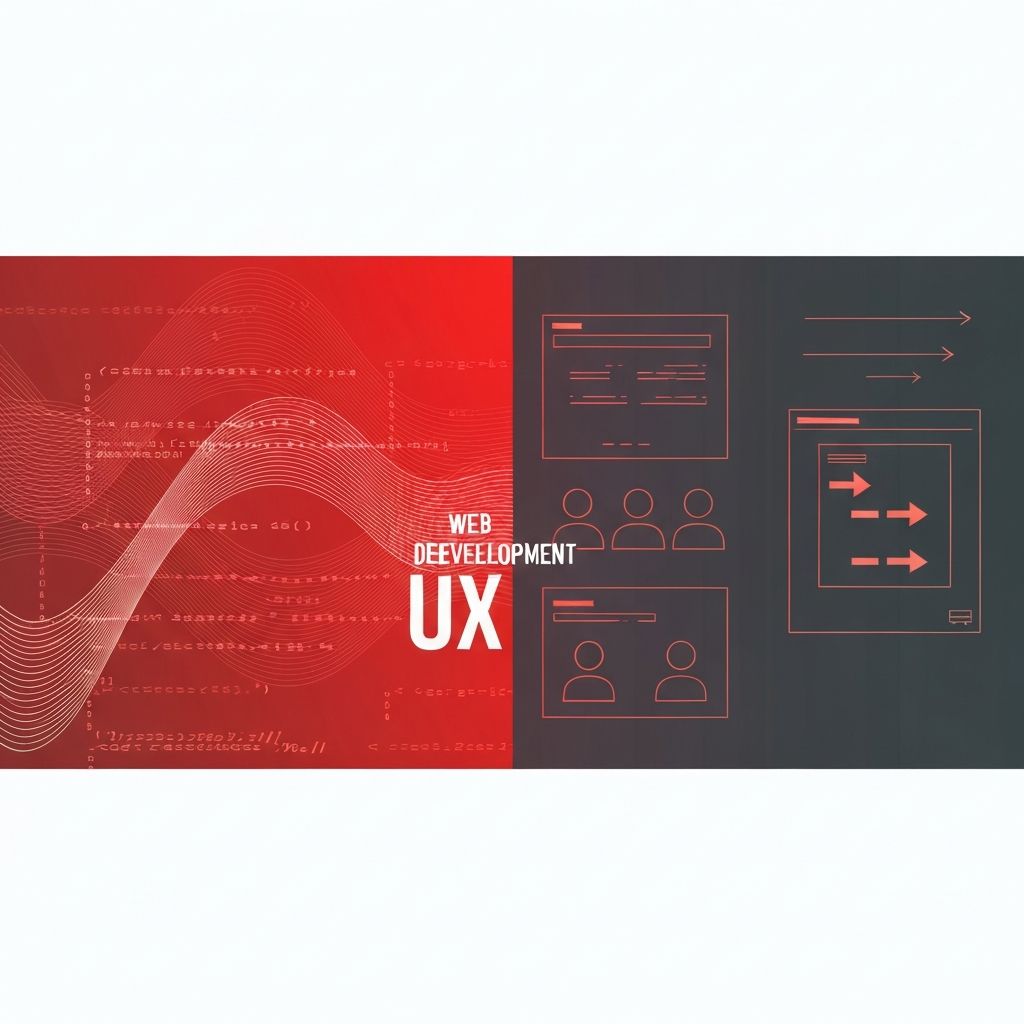
Web Development or UX Design: Which Path Matters More?
Web development or UX design is a question that comes up often, whether you are choosing a career, planning a new project, or deciding where to invest resources. Both disciplines are essential to building successful websites and digital products, but they serve different purposes. Understanding their similarities, differences, and how they complement each other will help you make smarter decisions whether you are a student, business owner, or team leader.
Combine Web Development and UX Design with AAMAX.CO
For businesses that want the best of both worlds, AAMAX.CO brings web development and UX design together under one roof. They are a full-service digital marketing company offering Website Development, Website Design, SEO, and Digital Marketing services. Their team blends technical excellence with user-centered design to create websites and applications that are as functional as they are delightful to use.
What Is Web Development?
Web development is the technical discipline of building websites and applications. It involves writing code that transforms designs into interactive digital products. Web development is divided into front-end, which deals with what users see, and back-end, which handles servers, databases, and business logic. Developers must understand programming languages, frameworks, performance optimization, security, and deployment strategies. Their work ensures websites function correctly, load fast, and scale reliably.
What Is UX Design?
UX design stands for user experience design. It focuses on how people interact with a product and how they feel while using it. UX designers conduct user research, create personas, map user journeys, wireframe layouts, build prototypes, and run usability tests. Their goal is to make digital products easy to use, meaningful, and enjoyable. UX design blends psychology, design principles, and business strategy to create experiences that drive results.
Key Differences Between the Two
Web development is primarily technical, while UX design is primarily experiential. Developers use programming languages and technical tools. UX designers use research methods and design tools like Figma, Adobe XD, and prototyping platforms. Developers ensure things work. UX designers ensure things work well for people. Although the skills differ, both roles are critical and often overlap during real projects.
Skills Required for Web Developers
Developers need to master HTML, CSS, JavaScript, and a range of frameworks. They must understand databases, APIs, version control, testing, and deployment. Soft skills like problem-solving, attention to detail, and collaboration are equally important. Modern developers also work with cloud services, serverless functions, and AI integrations. Continuous learning is part of the job because the tech stack evolves quickly.
Skills Required for UX Designers
UX designers need strong empathy, research skills, and visual design sensibility. They must understand user psychology, accessibility, information architecture, and interaction patterns. They often work with tools like Figma, Miro, and analytics platforms. Good UX designers also have strong communication skills because they must advocate for users in meetings with stakeholders and developers. Data analysis and strategic thinking are increasingly critical in this role.
Career Outlook for Both Paths
Both web development and UX design offer strong career opportunities in 2026. Developers remain in high demand, with specializations in front-end, back-end, full-stack, DevOps, and AI integration. UX design is also growing rapidly because businesses now recognize that user experience directly affects revenue. Senior roles in UX often lead to strategic positions in product management and design leadership. Salaries in both fields are competitive, with seniors often earning six-figure incomes.
Which One Should You Choose as a Career?
If you enjoy solving technical problems, writing code, and building things that work under the hood, web development is a natural fit. If you love understanding people, observing behavior, and crafting user-centered solutions, UX design will be more satisfying. Many professionals start with one and gradually cross over into the other. Hybrid roles like design engineers and UX engineers combine both skill sets and are becoming highly sought after.
Which Should You Prioritize in Your Project?
For a business project, the answer is not one or the other. Both are essential. However, the order of investment can vary. Start with UX design to understand your users, define the right solution, and plan the structure. Then engage developers to build it correctly. Skipping UX often leads to wasted development cycles. Skipping quality development leads to slow, buggy products that frustrate users. The best results come from treating both disciplines as equally important.
How Developers and UX Designers Collaborate
Successful teams ensure developers and UX designers work closely from day one. Designers should understand basic development constraints, while developers should appreciate user goals. Shared tools like design systems, component libraries, and live prototypes make collaboration smoother. Regular communication, shared goals, and mutual respect are what turn good teams into great ones.
The Future of Both Disciplines
The future of web development and UX design is increasingly connected. AI tools are automating routine tasks, allowing developers and designers to focus on higher-value strategic work. No-code and low-code platforms are shifting some tasks, but true expertise in both fields remains essential. Specialists who combine strong technical skills with user empathy will lead the industry in the years ahead.
Final Thoughts
Web development or UX design is not really a competition but a partnership. Both disciplines build the modern internet together. Whether you are choosing a career path or planning a project, respect for both sides will lead to better outcomes. With the right balance of technical skill and user-focused design, your digital products will stand out, perform well, and create lasting value for your audience.
