
Why Branding Belongs at the Center of Web Development
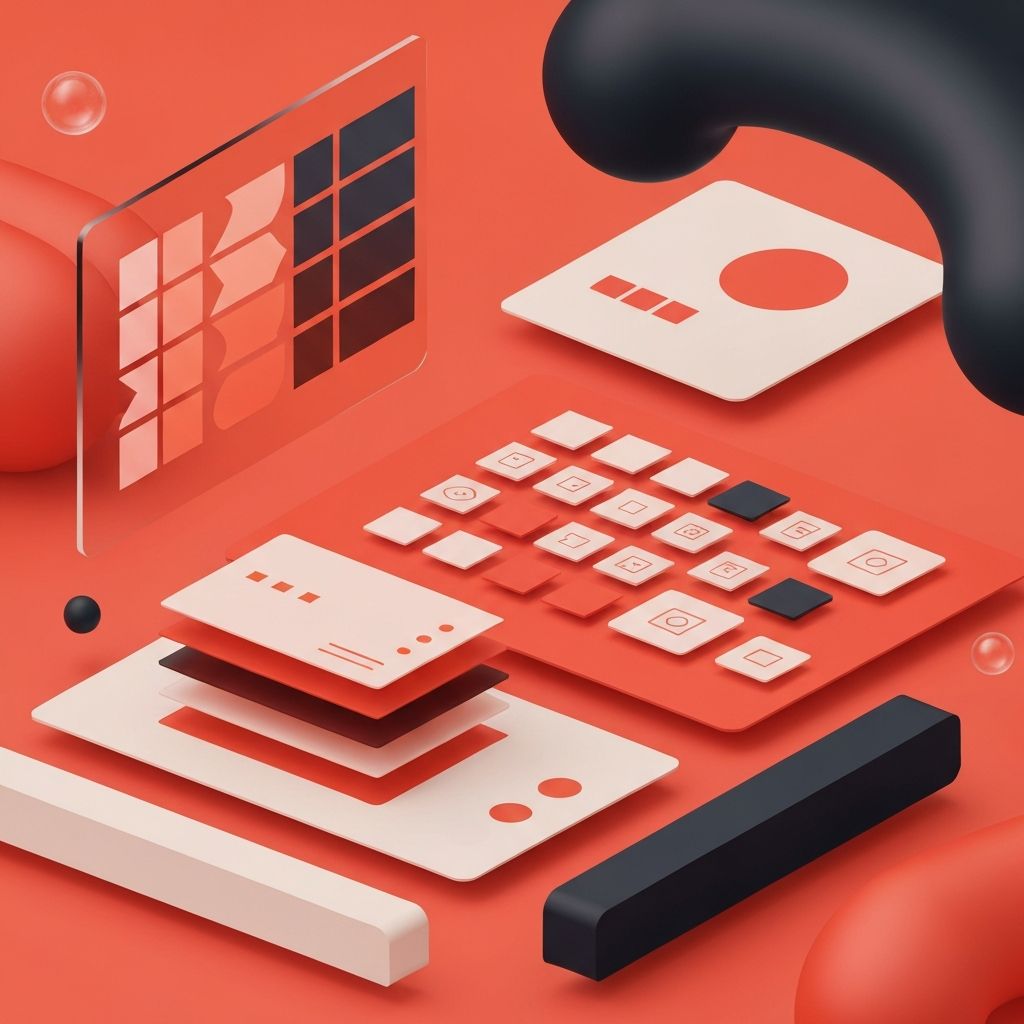
For too long, branding and web development were treated as separate disciplines. Designers built brands, developers built websites, and the result was often a beautiful identity loosely bolted onto a generic site. Today, the most successful digital experiences blur this line. Web development branding is the practice of weaving brand identity directly into the structure, behavior, and detail of a website, so that every interaction reinforces a business's promise to its audience.
From the first hero section to the smallest hover state, branding influences how users feel about a product. A site that looks polished but feels generic will not stand out. A site that breathes the brand at every level becomes unforgettable, builds trust, and converts more effectively. In a saturated market, branded experiences are no longer optional; they are a competitive necessity.
How AAMAX.CO Supports End-to-End Branded Web Experiences
Building a branded digital experience requires more than design files and a developer. It requires a partner who understands how brand strategy, design, copy, and code come together. AAMAX.CO is a full-service digital marketing company that delivers website design, web development, SEO, and digital marketing services worldwide. They help businesses turn brand strategy into living websites, with consistent typography, color systems, and interaction patterns that reflect the brand's true character.
Core Elements of Web Development Branding
Strong web development branding starts with a clear visual identity. This includes a defined color palette, typography hierarchy, iconography, photography style, and motion principles. These elements should be documented in a design system that developers and designers can share. When the design system is solid, every new page or feature feels like a natural extension of the brand rather than a one-off creation.
Beyond visuals, branding shapes voice and tone. Headlines, micro-copy, error messages, and even loading states all carry the brand's personality. A playful brand might use friendly language and quick animations, while a luxury brand might rely on understated typography and quiet, deliberate transitions. Every word and every motion is an opportunity to reinforce who the brand is.
Translating Brand Guidelines Into Code
Translating brand guidelines into code is where many websites fall short. Colors must be implemented as design tokens, not scattered hex values. Typography must use a consistent type scale, not arbitrary sizes. Spacing, radius, shadows, and motion should all be defined as variables and reused everywhere. Modern frameworks and CSS custom properties make this easier than ever, but it still requires intentional planning.
Component libraries are another crucial layer. Buttons, forms, cards, and navigation should all share a consistent look and behavior. When components are built once and reused across the site, the brand expression stays cohesive even as the product grows. Without this discipline, websites drift, and the brand quickly loses its visual integrity.
Performance and Accessibility as Brand Values
Branding is not only about how a site looks. It is also about how it performs and who it includes. A slow site signals a brand that does not respect its users' time. An inaccessible site signals a brand that overlooks parts of its audience. Performance and accessibility, therefore, become part of the brand promise. Fast load times, smooth interactions, keyboard navigation, and proper contrast ratios all reinforce trust and respect.
Brands that take performance and accessibility seriously stand out in a market where many competitors still treat them as afterthoughts. These quiet qualities often shape long-term loyalty, even if users cannot articulate why they prefer one site over another.
Storytelling Through Layout and Motion
Layout and motion are powerful storytelling tools. Strategic use of whitespace, asymmetry, and scroll-driven reveals can guide users through a brand's narrative. Subtle animations can highlight key moments, while overuse can feel chaotic and undermine the brand. The goal is not to impress but to direct attention and reinforce meaning. Every animation should answer the question: what is this saying about the brand?
Maintaining Brand Consistency Over Time
Brand consistency is not a one-time achievement. As products evolve, new pages appear, new campaigns launch, and new team members join. Without strong systems, brand expression drifts. Documented design systems, shared component libraries, and brand-aware code reviews keep things on track. Regular audits also help identify pages that have slipped away from the brand's standards.
Final Thoughts
Web development branding is the discipline of making sure a website does not just represent a brand but truly embodies it. By combining clear identity, thoughtful design systems, performant code, accessible experiences, and intentional storytelling, businesses can build websites that feel like the brand at every level. In an era when users compare experiences in seconds, branded web development is one of the most powerful investments a company can make to stand out, build trust, and grow with confidence.
