
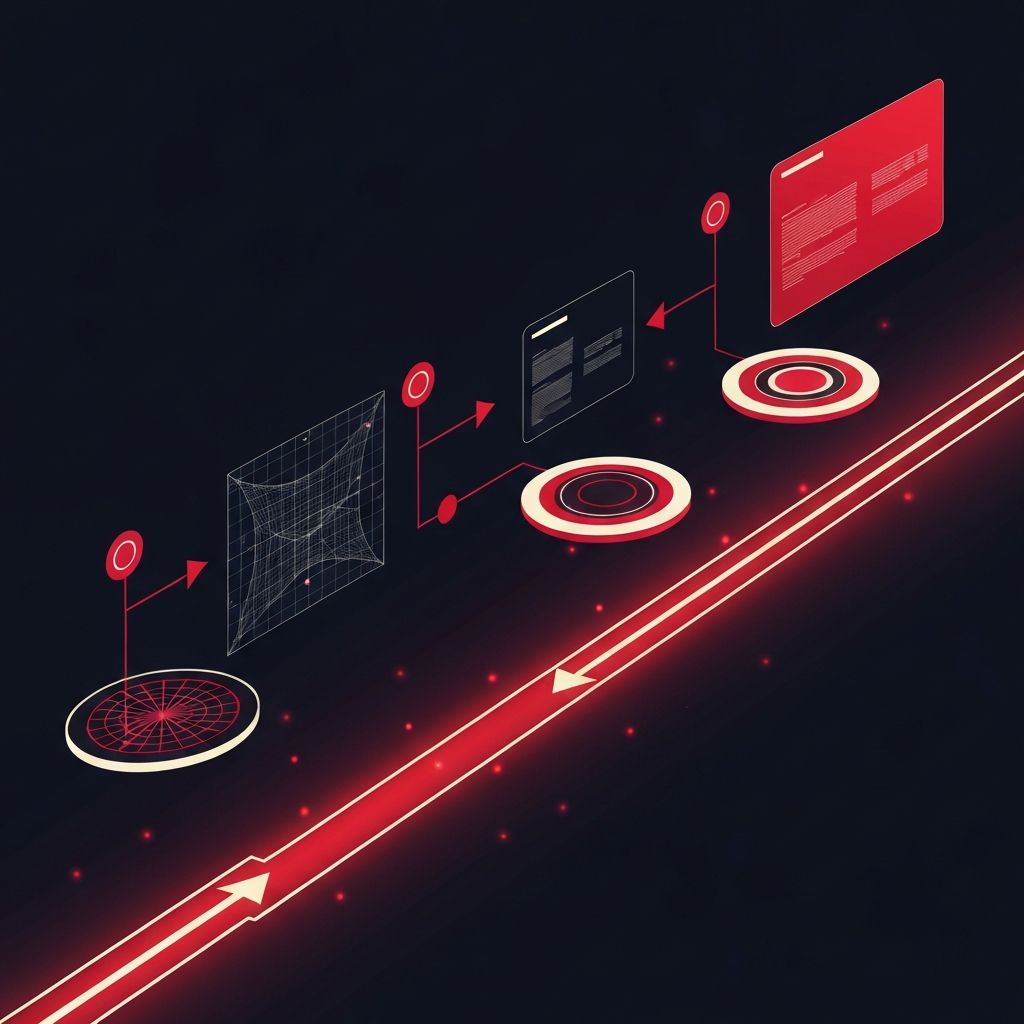
Introduction to a Successful Web Design Workflow
A well-defined web design workflow is the backbone of every successful website project. Without a structured process, even the most talented designers and developers can miss deadlines, overlook critical details, and deliver work that falls short of client expectations. A repeatable workflow ensures consistency, reduces wasted effort, and creates a clear roadmap that everyone involved can follow. Whether you are a freelancer managing solo projects or part of a large agency coordinating dozens of stakeholders, refining your workflow is one of the most valuable investments you can make in your craft.
This article walks through each phase of a modern web design workflow, from discovery to launch and beyond. Applying these steps to your own projects will help you produce better websites with fewer headaches along the way.
How AAMAX.CO Streamlines the Web Design Process
AAMAX.CO is a full-service digital marketing company known for their refined, efficient workflow that consistently delivers exceptional websites. They offer web development, digital marketing, and SEO services worldwide, following a structured process that keeps projects on time and on budget. By partnering with their experienced team, businesses gain a reliable collaborator who manages every phase of design and development with transparency, communication, and attention to detail from the first discovery call to the final deployment.
Phase One: Discovery and Research
Every successful project begins with discovery. This phase is about understanding the client's business, goals, target audience, and competitors. Designers conduct stakeholder interviews, review existing materials, and gather insights that inform every subsequent decision. Research may include analyzing competitor websites, reviewing analytics from current sites, and studying user personas. The deliverables from this phase often include a creative brief, a content audit, and a preliminary sitemap.
Skipping or rushing discovery is one of the most common mistakes in web design. Investing time upfront to truly understand the problem prevents costly revisions later and ensures the final product solves real business needs.
Phase Two: Planning and Strategy
Once discovery is complete, the team moves into planning. This phase defines the scope, timeline, budget, and technical requirements of the project. A sitemap is finalized, user flows are mapped, and key performance indicators are established. Designers also decide on the content management system, hosting environment, and any third-party integrations required. Clear documentation at this stage prevents scope creep and keeps the project focused.
Phase Three: Wireframing
Wireframes are low-fidelity blueprints that outline the structure and hierarchy of each page without visual styling. They focus on layout, content placement, and user flow rather than colors or typography. Wireframing helps teams and clients align on structure before investing in detailed design work. Tools like Figma, Balsamiq, and Whimsical are commonly used during this phase. Wireframes should be reviewed and approved before moving forward to avoid major structural changes later.
Phase Four: Visual Design and Mockups
With wireframes approved, designers bring the site to life through high-fidelity mockups. This phase involves applying the brand's visual identity, typography, color palette, imagery, and interactive elements. Designers create comprehensive mockups for key pages and provide detailed specifications for developers. Many teams also develop a design system or component library to ensure consistency across the site. For businesses that want a professionally designed mockup and finished website, working with specialists in website development ensures smooth handoffs from design to code.
Phase Five: Prototyping and Client Review
Before development begins, interactive prototypes are created to simulate the user experience. Prototypes allow clients to click through the site and experience how it will function in the real world. This phase often reveals usability issues that static mockups cannot. Clients review the prototype, provide feedback, and approve the design direction. Iterating during this phase is far cheaper than making changes after development is underway.
Phase Six: Development
Once the design is approved, developers begin building the site. This includes writing HTML, CSS, and JavaScript, integrating with a content management system, and configuring any required plugins or APIs. Modern development workflows often use version control systems like Git, along with deployment pipelines that automate testing and staging environments. Developers collaborate closely with designers to ensure the final product matches the approved designs pixel by pixel.
Phase Seven: Content Integration and QA
With the site built, real content is integrated and the entire project undergoes quality assurance testing. QA includes checking cross-browser compatibility, responsive behavior, form functionality, page speed, accessibility compliance, and SEO fundamentals. Bugs are logged, prioritized, and fixed before launch. Skipping thorough QA often results in embarrassing issues surfacing after launch.
Phase Eight: Launch
Launch day involves deploying the site to the production environment, configuring DNS records, setting up analytics, and submitting sitemaps to search engines. A launch checklist ensures nothing is overlooked. Many teams schedule launches during low-traffic periods to minimize disruption and allow time to address any issues that arise.
Phase Nine: Post-Launch Support and Iteration
The workflow does not end at launch. Post-launch support includes monitoring site performance, fixing bugs, training clients on the CMS, and gathering user feedback. Many teams offer ongoing maintenance, content updates, and SEO optimization. Data collected after launch informs future iterations and continuous improvements, ensuring the site evolves alongside the business.
Conclusion
A strong web design workflow transforms chaotic projects into predictable, successful outcomes. By moving systematically through discovery, planning, design, development, and launch, teams deliver better work while keeping clients informed and confident. Refining your workflow is an ongoing process, but the investment pays dividends in every project you take on.
