
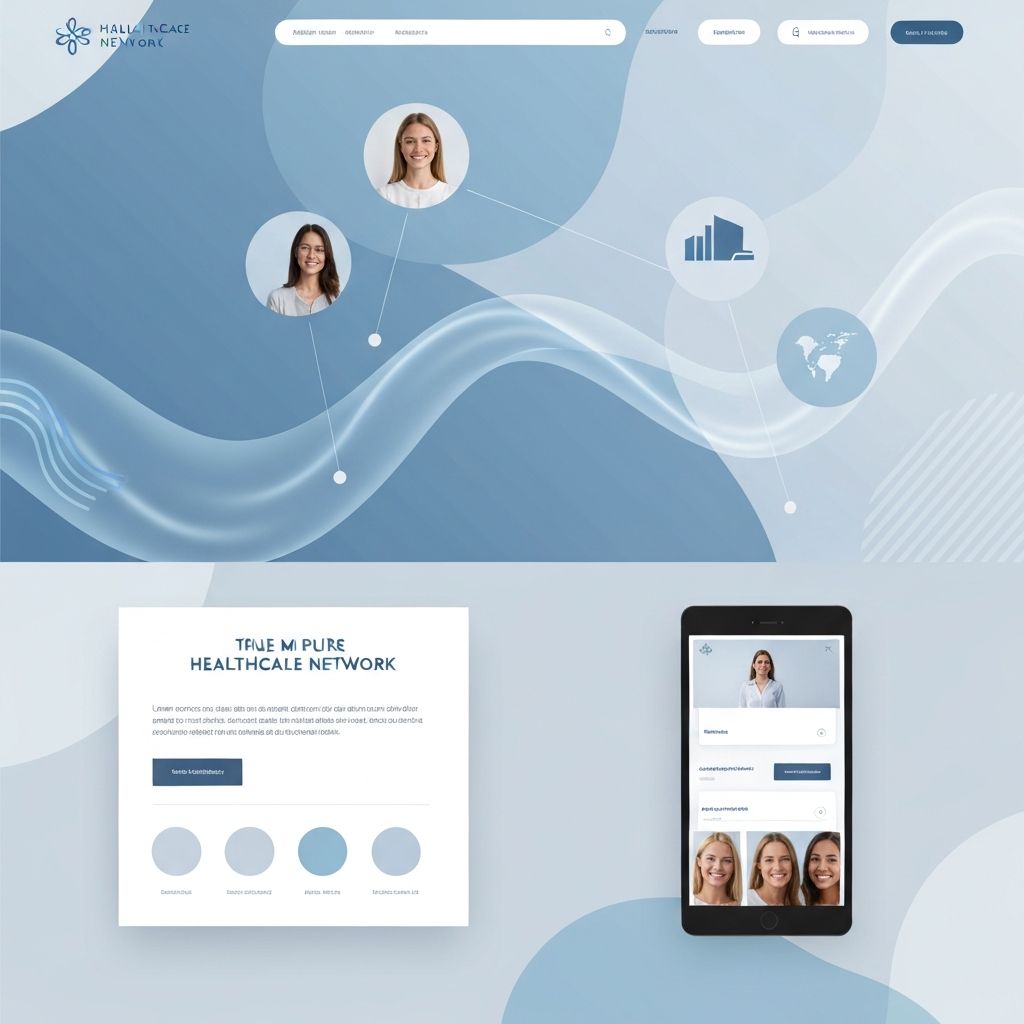
Introduction to Web Design for Multi-Location Clinics
Managing the digital presence for multiple clinic locations presents unique challenges and opportunities. Whether you operate a network of urgent care centers, a multi-specialty medical group, or a chain of dental practices, your website must serve diverse patient populations while maintaining brand consistency across all locations. Effective web design for clinics with multiple facilities requires thoughtful architecture, location-specific content, and streamlined user experiences.
Patients searching for healthcare services often look for convenient locations near their home or workplace. Your website must make it easy for them to find the nearest clinic, understand what services are available at each location, and book appointments seamlessly. A well-structured multi-location website not only improves patient acquisition but also strengthens brand recognition and trust across your entire network.
How AAMAX.CO Supports Multi-Location Healthcare Networks
Creating an effective website for multiple clinic locations requires expertise and strategic planning. AAMAX.CO specializes in developing comprehensive web solutions for healthcare organizations of all sizes. They are a full-service digital marketing company offering Website Development, Digital Marketing, and SEO Services worldwide. Their team has extensive experience in creating scalable website architectures that accommodate multiple locations while maintaining consistent branding and user experience across the entire network.
Website Architecture for Multiple Clinic Locations
The foundation of a successful multi-location clinic website lies in its architecture. Each location should have its own dedicated page or section with specific information including address, phone number, hours of operation, available services, and provider profiles. This location-specific content helps with local SEO and ensures patients find accurate information for the clinic they're interested in.
A centralized location finder or interactive map is essential for helping patients discover nearby clinics. Advanced filtering options allow users to search by service type, insurance acceptance, languages spoken, or provider specialty. The architecture should support easy content updates for individual locations without affecting the overall site structure.
Consistent Branding Across All Locations
While each clinic location may have unique characteristics, maintaining consistent branding across your website creates a cohesive patient experience. Visual elements such as color schemes, typography, imagery style, and logo placement should remain uniform throughout the site. This consistency reinforces brand recognition and assures patients that they'll receive the same quality of care regardless of which location they visit.
Brand guidelines should extend to content tone and messaging as well. Whether a patient is reading about services at your downtown location or suburban clinic, the voice and values communicated should feel familiar and aligned with your organization's mission. Templates for location pages ensure consistency while allowing for necessary customization.
Location-Specific SEO Strategies
Each clinic location requires its own local SEO strategy to appear in relevant local searches. This involves optimizing individual location pages with location-specific keywords, maintaining accurate Google Business Profiles for each facility, and building location-specific citations across online directories. Local content such as community involvement, local provider profiles, and area-specific health information further strengthens local search visibility.
Schema markup for local businesses should be implemented on each location page to help search engines understand the relationship between your organization and its individual facilities. This structured data enhances how your clinics appear in search results and can improve click-through rates from local searches.
Centralized Appointment Scheduling Systems
For multi-location clinics, a centralized scheduling system that spans all facilities provides significant benefits for both patients and administrators. Patients should be able to search for available appointments across locations, filter by provider or service type, and book with their preferred clinic seamlessly. This flexibility increases the likelihood of converting website visitors into patients by offering more scheduling options.
The scheduling system should integrate with practice management software used across all locations, ensuring real-time availability updates and avoiding double-bookings. Administrative dashboards that provide insights into scheduling patterns across locations help optimize staffing and identify opportunities for improvement.
Provider Directories and Profiles
A comprehensive provider directory is essential for multi-location clinic websites. Patients often search for specific providers or specialists, and your website should make it easy to find providers by name, specialty, location, or other criteria. Individual provider profiles should include professional photos, credentials, areas of expertise, languages spoken, and patient reviews.
Provider profiles can also indicate which locations each provider practices at, helping patients find convenient options for seeing their preferred healthcare professional. Integration with the scheduling system allows patients to book directly from provider profiles, streamlining the patient journey.
Patient Portal Integration Across Locations
A unified patient portal that works across all clinic locations enhances the patient experience for those who visit multiple facilities within your network. Patients should be able to access their medical records, communicate with providers, view test results, and manage appointments regardless of which location they're associated with.
Single sign-on functionality ensures patients don't need separate credentials for each location, reducing friction and improving portal adoption rates. The portal should clearly display information organized by location when relevant, such as upcoming appointments at different clinics or messages from providers at various facilities.
Mobile Experience for On-the-Go Patients
Mobile optimization is particularly important for multi-location clinics, as patients often search for nearby healthcare services while on the move. Location-aware features can automatically suggest the nearest clinic based on the user's current location. Mobile-optimized maps, click-to-call buttons, and directions integration make it easy for patients to find and contact the most convenient location.
The mobile experience should maintain full functionality including appointment scheduling, patient portal access, and provider search capabilities. Fast loading times are critical, especially for patients seeking urgent care who need quick access to location and service information.
Analytics and Performance Tracking
Understanding how patients interact with your multi-location website provides valuable insights for optimization and business decisions. Analytics should track performance metrics at both the organizational and individual location levels, including traffic sources, popular pages, conversion rates, and scheduling patterns. This data helps identify which locations may need additional marketing support or website improvements.
Heat mapping and user behavior analysis reveal how patients navigate between location pages and where they may encounter friction in the booking process. Regular review of these analytics ensures your website continues to evolve to meet patient needs across all your clinic locations.
Conclusion
Designing an effective website for multiple clinic locations requires balancing consistency with customization, ensuring each facility has the visibility it needs while maintaining a cohesive brand experience. By implementing thoughtful architecture, location-specific SEO strategies, centralized scheduling systems, and comprehensive provider directories, multi-location healthcare organizations can create websites that serve patients effectively across their entire network. Investing in professional Website Design that accounts for the complexities of multi-location healthcare ensures your organization presents a unified, professional image that instills confidence in patients regardless of which clinic they choose to visit.
