
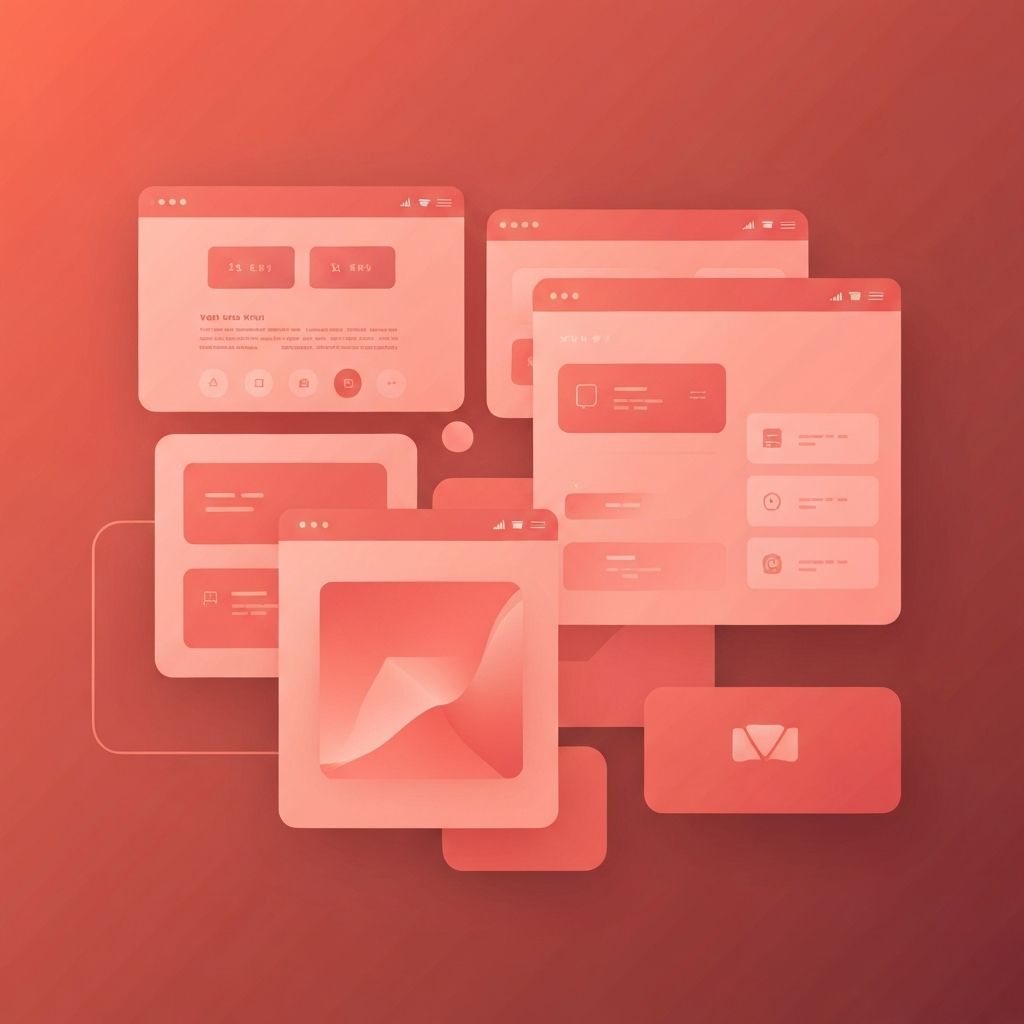
The Convergence of Web and Application Design
The boundaries between web design and application design have blurred significantly in recent years. Modern businesses often need cohesive digital ecosystems that include marketing websites, web applications, mobile apps, and various digital touchpoints that work together seamlessly. Understanding how to approach web and application design holistically ensures consistent user experiences and efficient development processes across all your digital properties.
Progressive web applications, responsive design principles, and evolving user expectations have created an environment where the skills and strategies used for websites and applications increasingly overlap. Designers and developers must now think in terms of comprehensive digital experiences rather than isolated products, considering how users move between platforms and how brand consistency can be maintained across diverse contexts.
How AAMAX Can Help with Your Web Design Needs
For businesses requiring integrated web and application solutions, AAMAX.CO offers comprehensive web application development services alongside their website design and digital marketing expertise. As a full-service digital marketing company operating worldwide, they bring a holistic perspective to digital design challenges. Their team can develop cohesive design systems that maintain brand consistency while optimizing user experience across websites, web applications, and other digital platforms.
Establishing a Unified Design System
A design system serves as the foundation for consistent web and application design. This comprehensive collection of reusable components, patterns, and guidelines ensures visual and functional consistency across all digital products. Design systems include typography scales, color palettes, spacing systems, component libraries, and interaction patterns that can be applied whether you're building a marketing website or a complex application interface.
Creating a design system requires upfront investment but pays dividends as your digital ecosystem grows. Designers work more efficiently when they can draw from established patterns, developers implement faster with standardized components, and users benefit from consistent, predictable experiences regardless of which part of your digital presence they're engaging with.
User Experience Across Platforms
While visual consistency matters, user experience considerations may differ between websites and applications. Marketing websites typically guide visitors through information and toward conversions, with user journeys measured in minutes. Applications often support ongoing tasks and workflows, with user sessions lasting much longer and involving more complex interactions.
Understanding these contextual differences allows designers to optimize experiences appropriately. A website might prioritize scannable content and prominent calls-to-action, while an application might emphasize efficiency, customization, and feature discoverability. The underlying design language remains consistent, but its application adapts to each context's specific needs.
Responsive and Adaptive Design Principles
Both websites and applications must work across devices and screen sizes. Responsive design principles—fluid grids, flexible images, and media queries—ensure that layouts adapt gracefully to different viewports. However, application design may also require adaptive approaches where functionality itself changes based on device capabilities or context.
Consider how features should manifest on different devices. A complex dashboard might show full data visualizations on desktop but prioritize key metrics and simplified navigation on mobile. Touch interfaces require different interaction patterns than mouse-driven interfaces. Thoughtful adaptation ensures excellent experiences regardless of how users access your digital products.
Performance Optimization
Performance expectations are high across both websites and applications. Users abandon slow-loading sites and become frustrated with laggy applications. Optimization strategies include efficient code, optimized assets, strategic caching, and appropriate use of content delivery networks. For applications, additional considerations include offline functionality, background processing, and state management efficiency.
Progressive web application technologies allow web-based applications to offer near-native experiences, including offline access, push notifications, and home screen installation. These capabilities blur the line between web and native applications, often providing the best of both worlds without requiring users to download from app stores.
Accessibility in Web and Application Design
Accessibility requirements apply equally to websites and applications. Following WCAG guidelines ensures that users with disabilities can effectively use your digital products. This includes proper semantic markup, keyboard navigation support, screen reader compatibility, appropriate color contrast, and consideration for various cognitive and motor impairments.
Accessible design benefits all users, not just those with disabilities. Clear navigation, readable typography, and intuitive interactions improve experiences for everyone. Building accessibility into your design system from the start is far more efficient than retrofitting existing products.
Integration and Data Consistency
Modern digital ecosystems often share data across multiple platforms. User accounts, preferences, and activity should synchronize seamlessly between your website and applications. API-driven architecture enables this integration while allowing each platform to optimize its interface for its specific context.
Consider the full user journey across your digital properties. Someone might discover your brand through your website, sign up for your service, use your web application for core tasks, and access your mobile app for on-the-go needs. Each transition should feel smooth, with data and context carrying across platforms appropriately.
Iterative Design and Continuous Improvement
Digital products are never truly finished. Analytics, user feedback, and evolving requirements drive ongoing refinement. Building processes for continuous improvement—regular usability testing, A/B testing, performance monitoring, and feedback collection—ensures your digital ecosystem remains effective over time.
Your design system should evolve as you learn from user behavior and as design trends and technologies advance. Regular audits help identify inconsistencies that may have crept in and opportunities to improve components that underperform. This iterative approach to web and application design keeps your digital presence competitive and effective.
Choosing the Right Development Approach
Decisions about technology stacks, frameworks, and development approaches significantly impact both the design process and the final products. Understanding the tradeoffs between native applications, hybrid approaches, progressive web applications, and traditional web development helps align technical decisions with business goals and user needs.
By approaching web and application design with a unified strategic perspective, businesses can create digital ecosystems that deliver consistent, high-quality experiences while maintaining the flexibility to optimize each platform for its specific context and user needs.
