
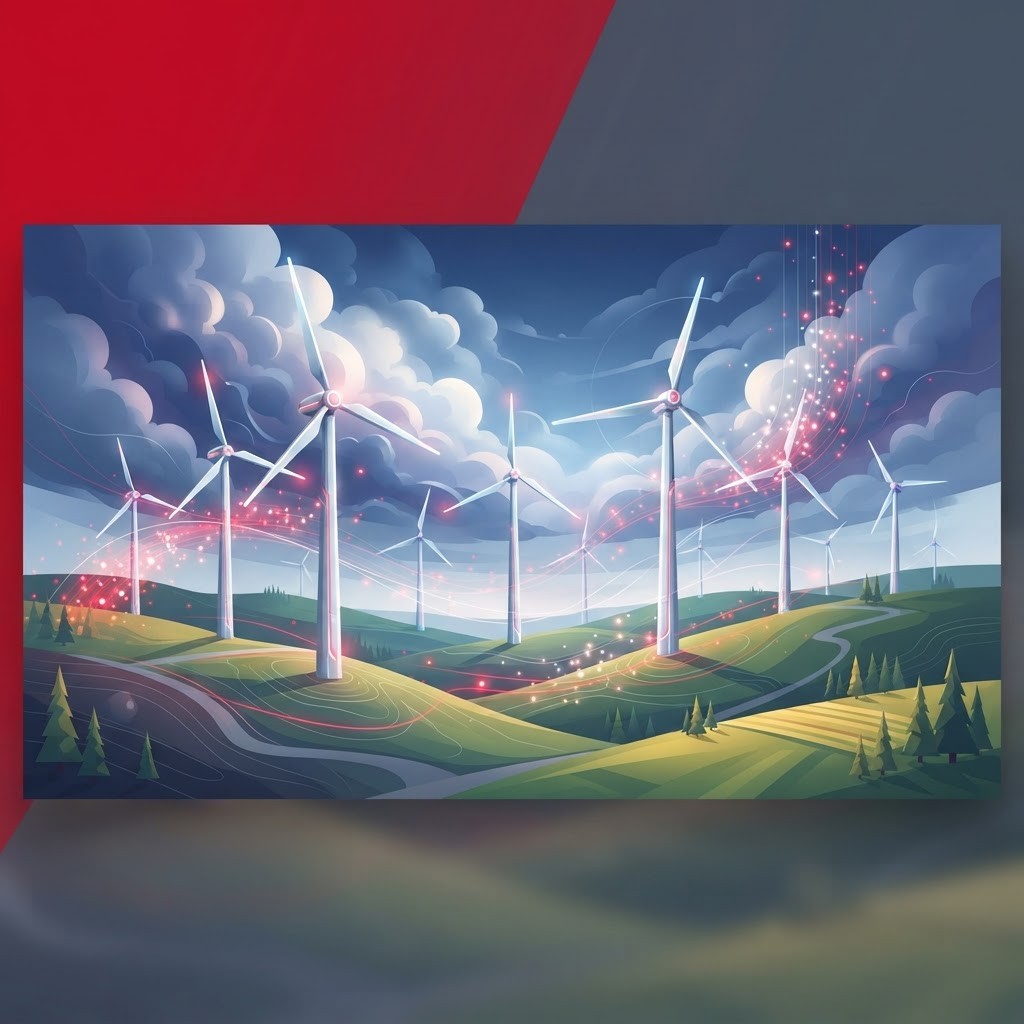
The Rise of Wind Energy in Belarus
Belarus has traditionally relied on natural gas and imported fuels for the majority of its electricity generation, but the country is increasingly turning its attention to renewable sources. Wind energy, in particular, has emerged as a promising avenue for diversifying the national energy portfolio and reducing dependence on external suppliers. The rolling plains and open agricultural landscapes across regions such as Grodno, Minsk, and Novogrudok offer favorable conditions for wind turbine installations, and both state-backed initiatives and private developers are seizing the opportunity.
Over the past decade, government support programs, feed-in incentives, and international cooperation have encouraged the development of wind farms. The Novogrudok wind farm, one of the most recognizable projects in the country, has become a symbol of the nation's renewable ambitions. As the sector matures, a handful of companies have distinguished themselves through engineering expertise, project execution, and long-term commitment to sustainable power.
Leading Wind Energy Companies
Belenergo stands as the central player in the Belarusian power landscape. As the state energy concern, it oversees the integration of wind capacity into the national grid and coordinates large-scale renewable projects. Its involvement ensures that wind output is balanced with conventional generation, providing stability as the share of clean energy grows.
Grodno Azot Energy Division has explored wind installations to power industrial operations, reflecting a broader trend of manufacturers investing in on-site renewable capacity. By generating clean electricity for their own consumption, such enterprises reduce operating costs and demonstrate environmental leadership.
Enertrag Belarus, connected to European wind development expertise, has contributed technical know-how to turbine siting and installation. Companies with international partnerships bring valuable experience in maximizing energy yield and maintaining turbines in variable climate conditions.
VetroTechInvest represents the private developer segment, focusing on mid-sized wind projects that supply regional grids. These developers often act as pioneers, testing new sites and proving the commercial viability of wind power in areas previously considered marginal.
Industry Trends and Innovations
The Belarusian wind sector is benefiting from several global trends. Modern turbines feature taller towers and longer blades, allowing them to capture wind at higher altitudes where speeds are more consistent. This technological progress has made it economically feasible to develop sites that would have been uneconomical just a few years ago.
Grid modernization is another important development. As more intermittent renewable capacity comes online, sophisticated forecasting and energy storage solutions become essential. Companies investing in smart grid technology and battery systems are positioning themselves to manage the variability of wind generation effectively.
International cooperation continues to shape the market. Partnerships with European and Chinese turbine manufacturers give Belarusian developers access to cutting-edge equipment and financing structures. These relationships help lower the upfront costs that have historically been a barrier to renewable expansion.
Benefits of Wind Power for Belarus
Wind energy offers Belarus a path toward greater energy independence. Every megawatt generated domestically reduces the need for imported fuel, strengthening the national economy and insulating consumers from volatile global commodity prices. This strategic benefit is a key motivator behind continued government support.
Environmental advantages are equally compelling. Wind turbines produce electricity without emitting greenhouse gases or air pollutants, contributing to cleaner air and helping the country meet its climate commitments. As global attention to sustainability intensifies, a strong renewable portfolio also enhances Belarus's international standing.
Wind projects also stimulate rural economies. Construction and maintenance create local jobs, while landowners who host turbines receive lease income. The presence of modern energy infrastructure can attract further investment and support broader regional development.
Choosing the Right Wind Energy Partner
For businesses and municipalities considering wind power, selecting the right development partner is critical. Experience in site assessment, permitting, and grid connection can make the difference between a successful project and a costly delay. Established companies with a track record of completed installations offer reassurance and reduce risk.
It is also worth evaluating a company's approach to long-term maintenance. Turbines are significant investments expected to operate for two decades or more, so reliable service agreements and access to spare parts are essential considerations. Firms that provide comprehensive lifecycle support tend to deliver better returns over time.
The Future of Wind Energy in Belarus
Looking ahead, the outlook for wind energy in Belarus is optimistic. As turbine costs continue to fall and public awareness of sustainability grows, wind is likely to claim a larger share of the national energy mix. Ambitious renewable targets, combined with the natural advantages of the Belarusian landscape, create fertile ground for expansion.
The companies profiled here are at the forefront of this transformation, each contributing engineering skill, capital, and vision to a cleaner energy future. Whether through large state-coordinated efforts or nimble private ventures, they are helping Belarus harness the power of the wind. For anyone interested in the country's evolving energy story, these organizations represent the driving force behind a more sustainable and self-reliant tomorrow.
