
The Strategic Importance of Warehousing
Warehousing forms the critical link between production, distribution, and consumption in Ecuador's economy. Whether storing export commodities awaiting shipment, holding imported goods for domestic distribution, or fulfilling the rising tide of e-commerce orders, warehouses keep products flowing smoothly through the supply chain. The best warehousing companies provide far more than space; they deliver organization, security, and efficiency that businesses depend on every day.
Ecuador's strategic location and export-driven economy place particular demands on warehousing infrastructure. Facilities near the port of Guayaquil and the country's major airports play a vital role in consolidating and staging cargo for international trade. Meanwhile, distribution centers throughout the Sierra and Costa regions support the retail and manufacturing sectors that serve the domestic market.
Modern Facilities and Infrastructure
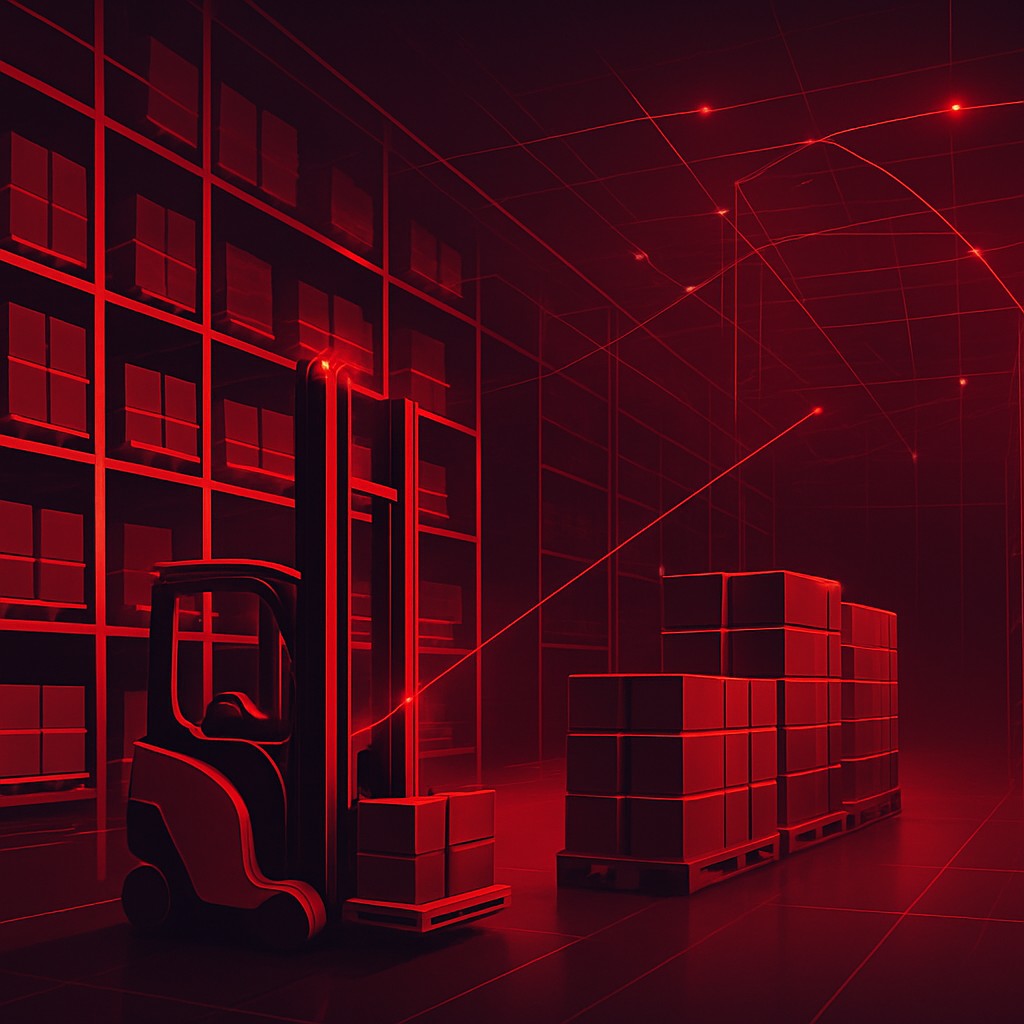
Leading warehousing companies invest in modern facilities designed for efficiency and flexibility. High ceilings, optimized racking systems, wide loading docks, and ample maneuvering space allow goods to move quickly and safely. Well-designed warehouses maximize storage density while maintaining easy access to inventory, reducing handling times and operating costs.
Location is a key competitive advantage. Facilities positioned near ports, airports, and major highways minimize transport costs and transit times. The best companies select strategic sites that connect seamlessly to Ecuador's trade gateways and distribution networks, giving their clients faster, more economical access to markets.
Specialized Storage Solutions
Different products require different storage conditions, and top warehousing firms offer specialized solutions to match. Temperature-controlled and refrigerated warehouses are essential for Ecuador's perishable exports and food distribution, preserving quality from arrival to dispatch. Dry storage, bonded warehouses for goods awaiting customs clearance, and secure areas for high-value items round out comprehensive service offerings.
Bonded warehousing is especially valuable for importers and exporters, allowing goods to be stored without immediate payment of duties. This flexibility improves cash flow and simplifies trade logistics. Companies that offer a full range of storage options can serve diverse industries, from agriculture and pharmaceuticals to electronics and consumer goods.
Advanced Inventory Management
Modern warehousing is as much about information as physical space. Leading companies deploy warehouse management systems that track inventory in real time, providing clients with accurate visibility into stock levels, locations, and movements. This data-driven approach reduces errors, prevents stockouts, and enables better demand planning.
Technologies such as barcode scanning, automated picking, and integration with clients' enterprise systems further boost accuracy and efficiency. As e-commerce grows, the ability to process orders quickly and precisely has become a defining capability. The warehousing firms that master these systems offer a significant advantage to retailers and distributors.
Value-Added Logistics Services
The best warehousing companies extend beyond storage to offer value-added services that streamline the entire supply chain. Order fulfillment, kitting and assembly, labeling, packaging, and distribution allow clients to outsource complex logistics functions. This integration reduces handoffs and lets businesses focus on their core operations.
For e-commerce sellers in particular, third-party fulfillment services have become indispensable. By handling receiving, storage, picking, packing, and shipping, warehousing partners enable online retailers to scale rapidly without building their own infrastructure. This flexibility is a powerful driver of growth in Ecuador's expanding digital economy.
Security, Reliability, and the Future
Protecting stored goods is a fundamental responsibility of any warehousing provider. Leading companies implement robust security measures, including surveillance, access controls, fire protection, and trained personnel. Reliable insurance coverage and rigorous safety standards give clients confidence that their inventory is well protected.
Looking ahead, the warehousing sector in Ecuador is embracing automation, sustainability, and deeper digital integration. Energy-efficient facilities, solar power, and smart systems are reducing costs and environmental impact. As trade volumes and e-commerce continue to grow, the leading warehousing companies will remain essential partners, providing the reliable, technology-enabled storage and distribution that keep Ecuadorian commerce moving forward.
