
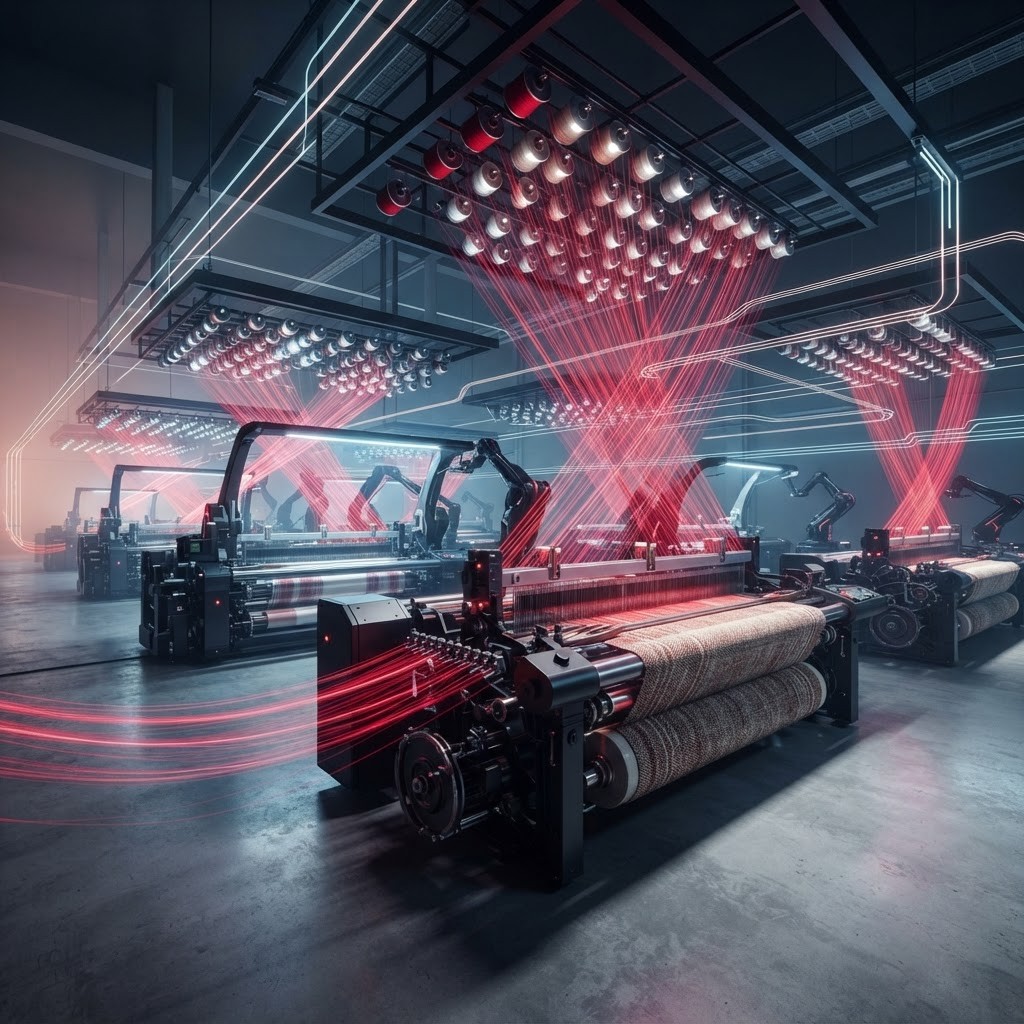
El Salvador's Textile and Apparel Powerhouse
The textile and apparel industry is one of the most important pillars of El Salvador's economy, generating significant employment and export revenue. Concentrated largely within free trade zones, the sector benefits from proximity to the United States, favorable trade agreements such as CAFTA-DR, a skilled workforce, and modern manufacturing facilities. From spinning and knitting to cutting, sewing, and finishing, Salvadoran manufacturers have built full-package capabilities that serve some of the world's most recognizable apparel brands.
The companies profiled below represent the strength and diversity of this industry. Many operate vertically integrated operations, controlling multiple stages of production to ensure quality, speed, and cost efficiency. Their success has positioned El Salvador as a key sourcing destination in the Western Hemisphere.
1. Industrias Merlet
Industrias Merlet is a well-established name in Salvadoran textiles, producing garments and fabrics for both domestic and export markets. The company is respected for consistent quality, dependable delivery, and a commitment to workforce development.
2. Textiles Opico
Textiles Opico operates integrated spinning and knitting facilities, supplying fabric to apparel producers throughout the region. Its focus on modern equipment and process efficiency makes it a reliable upstream partner in the supply chain.
3. Hilasal
Hilasal is internationally known for its high-quality towels and terry products. Combining artistic design with manufacturing excellence, the company has exported Salvadoran-made textiles to markets around the world and is a source of national pride.
4. George C. Moore Centroamérica
Specializing in elastic and narrow fabrics, this manufacturer supplies critical components used in apparel and other products. Its technical expertise in specialized textiles fills an important niche within the broader industry.
5. Fruit of the Loom (Salvadoran operations)
The Salvadoran operations of this globally recognized brand include large-scale garment manufacturing, particularly of basic apparel. Its significant local footprint provides thousands of jobs and demonstrates the country's appeal to major international producers.
6. Textufil
Textufil is one of the largest vertically integrated textile companies in the country, spanning spinning, knitting, dyeing, and finishing. Its scale and integration allow it to offer full-package services and respond quickly to customer demands.
7. Grupo Hilcasa
Grupo Hilcasa produces yarns and threads that feed the wider textile ecosystem. As a key supplier of raw material inputs, its reliability underpins the productivity of downstream apparel makers.
8. Confecciones del Valle
This apparel manufacturer focuses on cut-and-sew operations for export brands. Known for quality craftsmanship and efficient production lines, it exemplifies the sewing expertise that anchors the free-zone economy.
9. Industrias Sintéticas de Centroamérica
Specializing in synthetic fabrics and technical textiles, this company serves customers seeking performance materials. Its capabilities support diversification beyond traditional cotton-based products.
10. Bocaldi
Rounding out the list, Bocaldi produces apparel and textile goods with an emphasis on quality control and customer service. Its adaptable operations make it a valued partner for brands with varied requirements.
Competitive Advantages
El Salvador's textile sector benefits from several structural advantages. Geographic proximity to the United States enables fast, cost-effective shipping and shorter lead times than Asian competitors, a growing priority as brands embrace nearshoring. Trade agreements provide preferential access to major markets, while free trade zones offer streamlined logistics and incentives. A skilled, experienced workforce rounds out the value proposition.
Sustainability and Innovation
Modern textile manufacturers in El Salvador are increasingly investing in sustainability, from water recycling and energy efficiency to responsible sourcing and improved labor practices. Buyers around the world now demand transparency and environmental responsibility, and leading Salvadoran producers are responding with certifications and cleaner production methods. Automation and digital design tools are also enhancing productivity and precision.
Workforce and Community Impact
The textile and apparel industry is one of the country's largest formal employers, providing stable jobs to tens of thousands of workers, many of them women. Beyond wages, leading manufacturers invest in training programs, workplace safety, healthcare access, and skills development that lift living standards for employees and their families. These investments also improve productivity and retention, giving companies a competitive edge. Free trade zones have become hubs of economic activity, supporting surrounding communities through spending, services, and infrastructure. As global buyers increasingly scrutinize labor conditions, Salvadoran manufacturers that prioritize fair treatment and worker development are better positioned to win and retain contracts with responsible brands.
Outlook for the Industry
The nearshoring trend, driven by supply-chain disruptions and a desire for greater agility, plays directly to El Salvador's strengths. As global brands seek reliable partners closer to home, the country's vertically integrated, quality-focused manufacturers are well positioned to capture new orders. Continued investment in sustainability, technology, and workforce skills will determine which companies thrive. The ten profiled here are leading that charge, weaving El Salvador ever more tightly into the fabric of global apparel trade. Their combination of vertical integration, geographic advantage, and rising sustainability standards makes the country an increasingly compelling choice for brands that value speed, quality, and responsibility, ensuring that textiles will remain a driving force of national exports and employment well into the future.
