
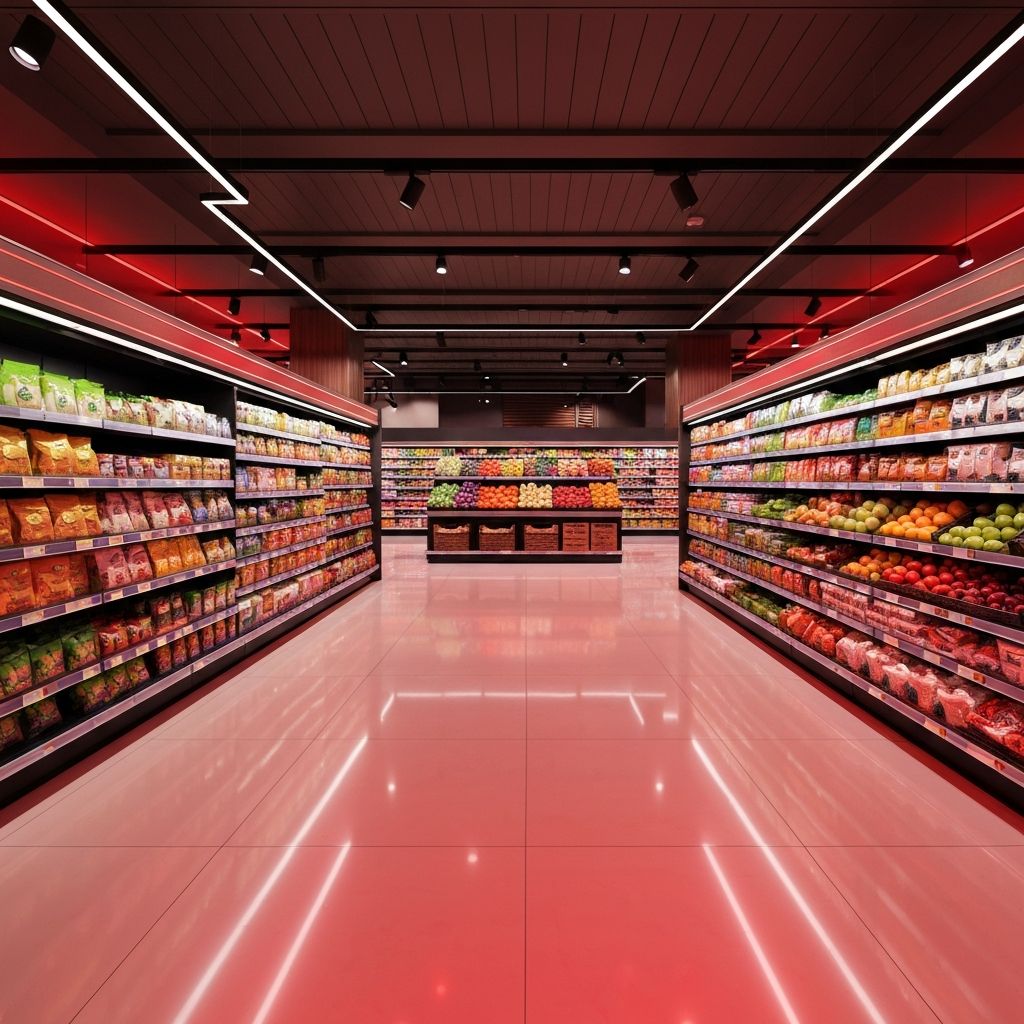
Indonesia's Modern Grocery Landscape
Supermarkets play a central role in the daily lives of Indonesian families, offering a reliable source for fresh produce, packaged foods, household essentials, and increasingly, gourmet and imported goods. As urbanization accelerates and middle-class consumers demand higher product quality, the country's supermarket chains have evolved into sophisticated retail operations with private labels, digital apps, and dedicated organic and ready-to-eat sections. The following ten chains stand out for their reach, quality, and customer experience.
1. Indomaret
Although technically a minimarket chain, Indomaret has become so deeply integrated into Indonesian daily life that it deserves a top spot. With tens of thousands of outlets nationwide, Indomaret provides essential groceries, snacks, beverages, and household items within walking distance for most urban households. Its in-house brand offerings deliver excellent value, while bill payment and money transfer services add unmatched convenience.
2. Alfamart
Alfamart is Indomaret's biggest competitor and an equally familiar sight on Indonesian streets. The chain emphasizes neighborhood accessibility, friendly service, and frequent promotions on staple products. Alfamart's Ponta loyalty program rewards regular shoppers with points redeemable across multiple partner brands, deepening customer loyalty.
3. Hypermart
Hypermart is one of Indonesia's leading hypermarket chains, offering a vast assortment of groceries, electronics, apparel, and household goods. Its weekly promotions, especially on fresh produce and meat, attract families looking for one-stop bulk shopping. Many Hypermart locations also feature in-store bakeries and ready-to-eat food sections.
4. Lotte Mart
Lotte Mart, the Korean retail giant, brings an international flair to Indonesian grocery shopping. Stores feature wide aisles, abundant Korean and Japanese imports, and high-quality fresh seafood counters. Lotte Mart is particularly popular among expatriates and Indonesian consumers eager to explore global cuisines at home.
5. Transmart
Transmart, operated under the CT Corp group, blends supermarket essentials with entertainment and dining experiences. Many Transmart locations include cinemas, indoor amusement areas, and food courts, transforming grocery runs into family outings. Its Carrefour heritage continues to influence its broad assortment and competitive pricing.
6. Superindo
Superindo, a joint venture with Belgium's Ahold Delhaize, focuses on freshness, hygiene, and value. The chain is known for its clean store layouts, well-stocked produce sections, and emphasis on locally sourced fruits and vegetables. Superindo's commitment to sustainability and reducing food waste resonates with environmentally conscious shoppers.
7. Ranch Market and Farmers Market
Ranch Market and its sister brand Farmers Market cater to upscale shoppers seeking premium imported goods, organic produce, and specialty items. From artisanal cheeses to grass-fed beef and gluten-free pantry staples, these stores set a high benchmark for quality. They are especially popular in Jakarta's affluent neighborhoods and major cities like Bandung and Surabaya.
8. Grand Lucky
Grand Lucky has built a strong reputation as a premium supermarket featuring an extensive range of imported groceries, fine wines, and gourmet ingredients. Its in-store butcher, deli, and bakery counters mimic the experience of a European market hall. Foodies, professional chefs, and home cooks often visit Grand Lucky for hard-to-find items.
9. Foodhall
The Foodhall positions itself as a premium gourmet supermarket, blending Asian and Western culinary traditions. With locations in upscale malls such as Plaza Senayan and Plaza Indonesia, Foodhall offers gourmet ready meals, cheeses, charcuterie, and an exceptional wine selection. Its beautifully designed stores create a luxurious shopping environment.
10. Tip Top Supermarket
Tip Top is one of Jakarta's oldest and most trusted supermarket chains, known for its halal-focused product assortment and family-friendly atmosphere. Its stores serve as community hubs, particularly in residential neighborhoods, where shoppers value reliability, fair pricing, and consistent quality across decades.
Innovations Driving the Industry
Indonesian supermarkets have embraced rapid digital transformation. Mobile apps for groceries, integrations with food delivery platforms, and same-day delivery services have become standard among major chains. Digital payment options including QRIS and various e-wallets streamline checkout, while data-driven loyalty programs help retailers personalize promotions. Sustainability initiatives, including reduced single-use plastics and partnerships with local farmers, are increasingly visible across the industry.
Catering to Diverse Consumers
Indonesia's supermarket landscape is remarkably segmented. Budget-conscious households rely on minimarkets like Indomaret and Alfamart for daily needs, while mid-tier families plan weekly trips to Hypermart, Transmart, and Superindo. Premium and expatriate communities frequent Ranch Market, Grand Lucky, and Foodhall for specialty ingredients. This stratified ecosystem ensures every shopper finds an option that matches their budget and lifestyle.
Conclusion
Supermarket chains in Indonesia have become much more than places to buy groceries. They are community anchors, lifestyle destinations, and increasingly, digital-first retailers. From the convenience of Indomaret and Alfamart to the gourmet allure of Foodhall and Ranch Market, the top ten chains reflect the diversity, dynamism, and rising sophistication of Indonesian consumers. As food trends, technology, and sustainability continue to evolve, these chains will remain at the forefront of the country's retail journey.
