
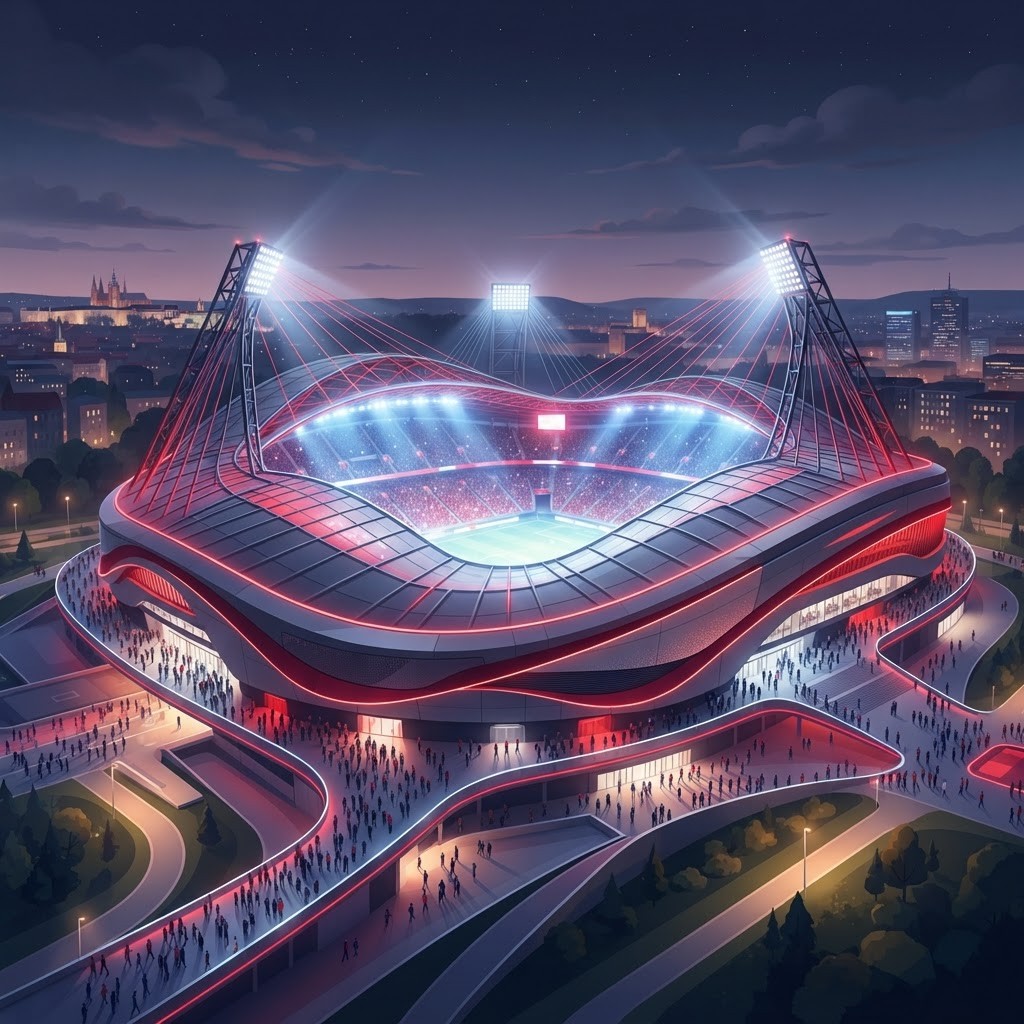
Stadiums at the Heart of Czech Sporting Culture
Stadiums hold a special place in Czech life, serving as arenas for football, athletics, and major cultural events. The nation's passion for sport, particularly football and ice hockey, has shaped a landscape of venues that range from historic grounds steeped in tradition to modern facilities built for comfort and spectacle. These stadiums are more than sporting venues; they are community landmarks that host concerts, national celebrations, and international competitions.
The Czech Republic's stadium infrastructure reflects both its rich sporting heritage and its ongoing investment in modern amenities. Whether nestled in the heart of Prague or anchoring regional cities, these venues generate powerful atmospheres that draw fans from across the country and beyond.
What Makes a Great Stadium
A truly great stadium balances capacity, atmosphere, and functionality. Sightlines that keep spectators close to the action, robust safety systems, and comfortable seating all contribute to the fan experience. Modern venues increasingly emphasise hospitality, offering premium lounges, quality catering, and accessible facilities. Acoustic design also matters, as the roar of a passionate crowd can define a stadium's identity.
Location and connectivity play a role too. The best stadiums are well served by public transport and integrated into their surrounding neighbourhoods, making them convenient hubs for large gatherings. Sustainability features, such as energy-efficient lighting and rainwater management, are becoming standard in newer developments.
The Leading Stadiums
Eden Arena in Prague, home to SK Slavia Praha, is often regarded as one of the finest modern football stadiums in the country, praised for its comfort and vibrant atmosphere. Generali Arena, the historic ground of AC Sparta Praha, carries deep tradition and remains a fortress for one of the nation's most storied clubs. Andrův stadion in Olomouc offers a compact yet electric setting for regional football.
Doosan Arena in Plzeň has become synonymous with the recent successes of FC Viktoria Plzeň, combining modern facilities with fierce local support. Městský stadion in Ostrava serves as a versatile venue for football and athletics, while Stadion Střelnice in Jablonec provides a scenic and passionate matchday environment. Epet Arena, primarily an ice hockey venue in Prague, ranks among Europe's premier indoor arenas.
Fortuna Arena continues to host major national fixtures, and Stadion Za Lužánkami in Brno remains an iconic, historically significant ground. Andrův stadion and other regional venues collectively demonstrate the breadth of quality across the country, with each stadium contributing to the vibrant tapestry of Czech sport.
Architecture and Design
Czech stadiums showcase a fascinating mix of architectural eras. Older grounds retain classic terraced designs and heritage features, while newer arenas embrace sleek steel-and-glass structures with cantilevered roofs and dramatic lighting. This diversity gives each venue a distinct personality, from the intimate charm of smaller grounds to the imposing scale of national arenas.
Modern design increasingly prioritises multifunctionality. Retractable seating, high-quality pitches, and adaptable interiors allow venues to host football, concerts, and corporate events with equal ease. These flexible designs help stadiums remain financially sustainable throughout the year.
History and Heritage
Many Czech stadiums carry decades of history that enrich their appeal. Grounds such as those of Sparta and Slavia have witnessed generations of fierce rivalry, memorable European nights, and moments of national significance. This heritage creates an intangible sense of place that newer venues aspire to match. Fans often feel a deep emotional attachment to these historic grounds, viewing them as custodians of collective memory and community identity.
Preservation and modernisation must therefore be carefully balanced. Clubs increasingly seek to upgrade facilities while retaining the character and atmosphere that make their stadiums special. Restoring historic stands, honouring traditions, and celebrating club legends are all part of maintaining the unique identity of these venues, ensuring that progress does not erase the qualities that fans cherish most.
Ice Hockey and Multipurpose Arenas
While football dominates the outdoor stadium scene, ice hockey arenas hold equal cultural weight in the Czech Republic. Modern indoor venues host thrilling hockey matches, concerts, and international events, showcasing the country's passion for the sport. These arenas combine cutting-edge technology with intimate atmospheres, delivering exceptional experiences for spectators. Their versatility makes them year-round destinations, hosting everything from championship hockey to major entertainment events, and reinforcing the central role that sporting venues play in Czech public life.
The Fan Experience
The atmosphere inside Czech stadiums is a major draw. Dedicated supporter sections create choreographed displays, chants, and colour that rival any in Europe. This passionate fan culture is central to the appeal of attending matches, transforming ordinary fixtures into memorable spectacles. Clubs invest heavily in enhancing this experience, from improved concessions to family-friendly zones.
Accessibility and comfort have improved significantly in recent years. Enhanced seating, better transport links, and digital ticketing have made attending events more convenient. These upgrades reflect a broader commitment to welcoming diverse audiences while preserving the intensity that defines Czech sport.
Cultural and Economic Impact
Beyond sport, stadiums contribute meaningfully to local economies and identities. They attract tourism, support hospitality businesses, and provide venues for concerts and community events. Major matches and tournaments generate significant economic activity, benefiting hotels, restaurants, and transport services throughout host cities.
As the Czech Republic continues to invest in its sporting infrastructure, its stadiums stand as symbols of national pride and community spirit. Whether experienced through the deafening roar of a derby match or the shared joy of a concert under the lights, these venues remain cherished landmarks that unite people and celebrate the enduring power of live entertainment.
