
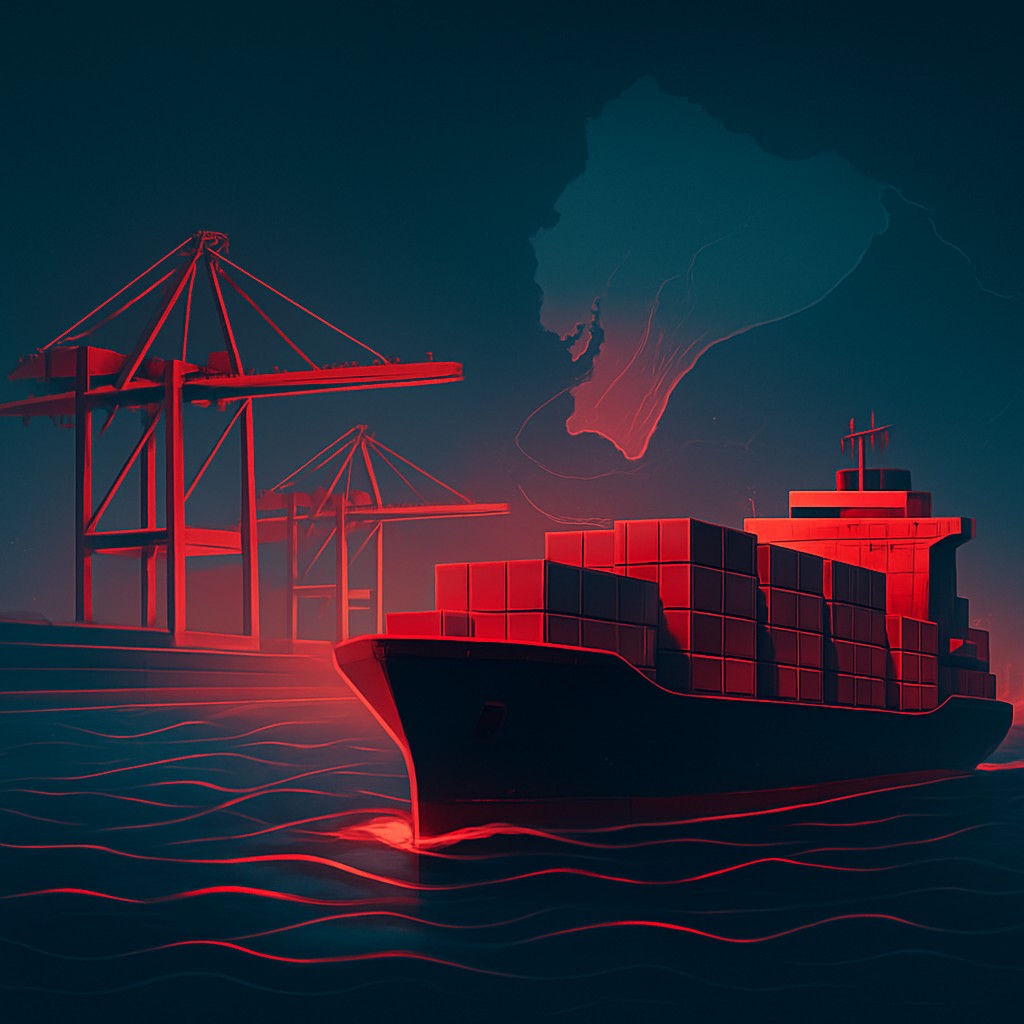
Ecuador's Gateway to Global Markets
Maritime shipping is the lifeblood of Ecuador's international trade. As one of the world's leading exporters of bananas, shrimp, cacao, and canned fish, the country relies on efficient ocean freight to reach markets in North America, Europe, and Asia. The port of Guayaquil stands as the nation's primary commercial harbor, complemented by terminals in Manta, Puerto Bolívar, and Esmeraldas that handle diverse cargo flows.
The shipping companies operating along Ecuador's Pacific coast play a decisive role in the competitiveness of national exports. Transit times, freight rates, and reliability directly influence how Ecuadorian products fare against rivals in global commodity markets. The strongest carriers and forwarders understand this responsibility and build their services around speed, dependability, and care for sensitive cargo.
Specialized Expertise in Perishable Exports
A large share of Ecuador's seaborne trade consists of perishable goods that demand precise temperature control. Refrigerated container services, known as reefer shipping, are central to moving bananas, shrimp, and fresh produce without spoilage. The best shipping companies maintain modern reefer fleets, monitor cargo conditions throughout the voyage, and coordinate closely with cold storage facilities at port.
This cold-chain expertise is a major competitive advantage. Even minor temperature fluctuations can ruin an entire shipment, so exporters gravitate toward carriers with proven reliability and advanced monitoring technology. Companies that guarantee unbroken cold chains from packing house to overseas buyer command strong loyalty in the Ecuadorian market.
Comprehensive Freight Forwarding Services
Beyond ocean carriage, leading shipping firms offer full freight forwarding capabilities. They handle booking cargo space, consolidating shipments, preparing documentation, and arranging inland transport between ports and production sites. This integrated approach simplifies logistics for exporters and importers who would otherwise juggle multiple service providers.
Customs brokerage is a key part of this package. Experienced forwarders navigate export permits, phytosanitary certificates, and import duties with efficiency, reducing the risk of delays at the terminal. By managing the entire door-to-door process, top shipping companies free their clients to focus on production and sales rather than paperwork.
Port Efficiency and Infrastructure
The performance of shipping companies is closely tied to port infrastructure. Investments in deeper berths, faster cranes, and digital terminal operating systems have improved turnaround times at Ecuador's major harbors. Carriers that work in close partnership with terminal operators can offer more reliable schedules and better space availability to their customers.
Congestion management remains a priority during peak export seasons. The most capable companies plan vessel calls strategically, coordinate trucking appointments, and use data to anticipate bottlenecks. Their ability to keep cargo flowing smoothly during high-demand periods sets them apart from less sophisticated competitors.
Technology and Transparency
Digital tools have transformed expectations in the shipping sector. Exporters now expect online booking, electronic documentation, and real-time tracking of their containers across the ocean. Leading Ecuadorian shipping companies have embraced these platforms, giving clients visibility and control that were unimaginable a generation ago.
Transparency in pricing and scheduling builds trust. Clear communication about freight rates, surcharges, and transit times helps exporters plan with confidence. The firms that invest in user-friendly digital interfaces and responsive customer support consistently earn higher satisfaction among the businesses they serve.
Navigating a Competitive Future
The global shipping industry faces ongoing pressures from fluctuating fuel costs, environmental regulations, and shifting trade patterns. Ecuadorian shipping companies are responding by adopting cleaner vessels, optimizing routes, and forming alliances that expand their global reach. Sustainability is becoming a genuine differentiator as international buyers scrutinize the carbon footprint of their supply chains.
For Ecuadorian businesses, choosing the right shipping partner is a strategic decision that affects competitiveness in distant markets. The leading companies combine maritime expertise, cold-chain mastery, and digital transparency to move the nation's products reliably across the seas. As global trade evolves, these carriers will remain essential to Ecuador's prosperity and its standing as a major agricultural and seafood exporter.
